Anti-Hindu hatred on display: US-based social media handles hurl communal slurs at Hindus and denigrate their faith, deities and religious practices
 United States
 7 November, 2026
Case Summary
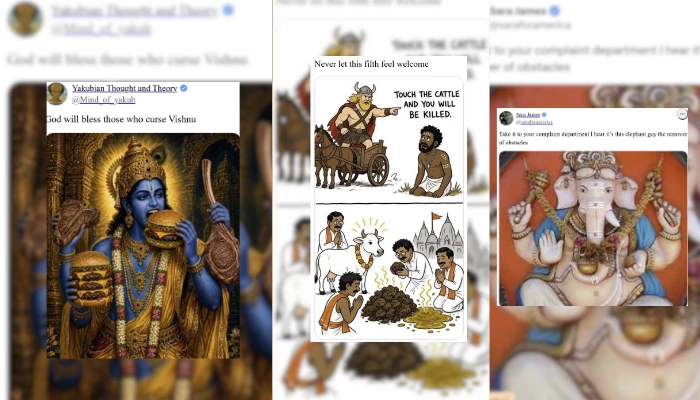
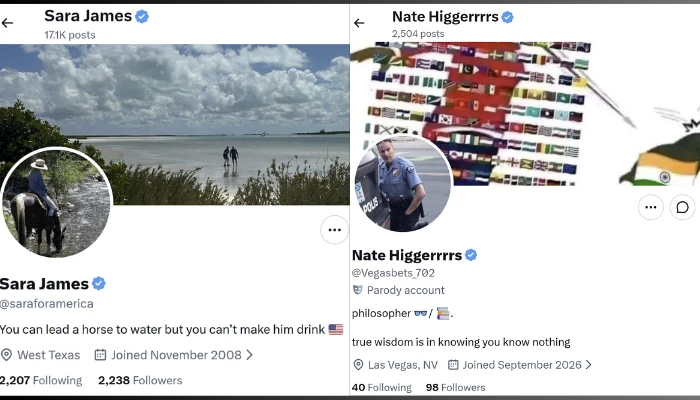
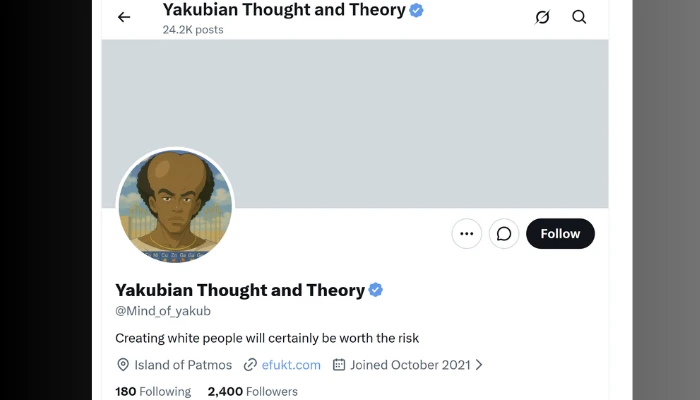
In the United States, several social media accounts hurled communal slurs at Hindus and denigrated the Hindu faith. They targeted Hindu deities such as Lord Vishnu and Lord Ganesha through abuse, mockery and offensive iconoclastic imagery. The accounts also ridiculed Hindu reverence for cows, which are considered sacred in Hinduism, through degrading and offensive imagery. This incident followed the disruption of a Diwali celebration in Seattle, Washington, by Christian activists. Notably, the Hinduphobia Tracker had previously documented the disruption of a Diwali celebration in Seattle, Washington, where Christian activists Jake Lang, Thomas Allen and a group of Christian protesters targeted the festival. The protesters demeaned Hindus, carried placards reading “Deport All Dot Heads” and “Stop Hindu Replacement of Christians”, and used anti-Hindu and racial slurs explicitly to intimidate the Hindu community gathered for the celebration. Following the Seattle incident, journalist Jonathan Choe (@choeshow) and United States Congresswoman Pramila Jayapal (@RepJayapal) posted about the disruption and condemned the anti-Hindu hostility directed at the Hindu community. However, the comments responding to their posts became a platform for further religious hostility, with several X accounts hurling communal slurs at Hindus, mocking Hindu deities and circulating derogatory imagery targeting Hindu beliefs and practices. One of the responses, posted by Sara James (@saraforamerica), mocked Lord Ganesha through the remark, “Take it to your complaint department; I hear it’s this elephant guy, the remover of obstacles”, ridiculing the sacred elephant-headed form of the Hindu deity. Another comment, posted by an account named Yakubian Thought and Theory (@Mind_of_yakub), targeted Lord Vishnu with abusive language, stating, “Bless those who curse Vishnu.” The account also shared an offensive iconoclastic image that depicted the Hindu deity holding meat and burgers and consuming them, in a deliberate attempt to mock and denigrate the religious figure. Another comment, posted by a user named Nate Higgers (@Vegasbets_702), demeaned Hindus through an image that derogatorily portrayed them as worshippers of cows who eat cow dung and drink cow urine. The imagery ridiculed Hindu reverence for cows and employed degrading stereotypes to humiliate Hindus and denigrate their religious beliefs. The post carried the caption, “Do not let this filth feel welcome”. The Hinduphobia Tracker team reviewed each account independently. It found that Yakubian Thought and Theory (@Mind_of_yakub), which had demeaned Lord Vishnu, had joined X in 2021. Its profile indicated that it was based on the Island of Patmos, Greece, and had approximately 2,400 followers. Sara James (@saraforamerica), who had mocked Lord Ganesha, had joined X in 2008. Her profile indicated that she was based in Texas and had approximately 2,238 followers. The third account, Nate Higgers (@Vegasbets_702), identified itself as a parody account and was based in New York. Notably, in this report, although the Hinduphobia Tracker highlighted three anti-Hindu comments, the comment sections were filled with numerous other responses containing anti-Hindu slurs, derogatory remarks and offensive content targeting Hindu deities, religious beliefs and practices.
Case Images
Why it is Hate Crime ?
This case has been added to the tracker under the primary category: Hate speech against Hindus. Within it, the sub-category selected is: Anti-Hindu slurs, mocking faith. Anti-Hindu slurs and the deliberate mocking of the Hindu faith owing to religious animosity involve the usage of derogatory terms, stereotypes, or offensive references to religious practices, symbols, or figures. One of the common anti-Hindu slurs used against Hindus is “cow-worshipper” and “cow piss drinker”. The intention of using this term is to demean and mock Hindus as a group and their religious beliefs since Hindus consider the cow holy. Additionally, some symbols and the slurs attached to them have a historical context that exacerbates the insult, hate, stereotyping, dehumanisation and oppression against Hindus. Cow worship has been used for centuries to denigrate Hindus, insult their faith and oppress Hindus specifically as a religious group. There has been overwhelming documentation about how cow slaughter has been used to persecute Hindus with cow meat being thrown in temples and places of worship. There has also been overwhelming documentation where cow meat (beef) has been force-fed to Hindus to either forcefully convert them to Islam or denigrate their faith. Apart from cow worship, the Swastika – which holds deep religious significance for the Hindus – has also been misinterpreted and distorted to use as a slur against Hindus. Similarly, the worship of the Shivling has been used by supremacist ideologies and religions to denigrate Hindus owing to religious animosity. Such slurs and denigration stem out of inherent animosity and hate towards Hindus and their faith, therefore, it is categorised as hate speech targeted at Hindus specifically owing to their religious identity. The other primary category selected is: Attack on Hindu religious representations. Within it, the sub-category selected is: Iconoclastic representation of Hindu Gods/Goddesses. An icon is a symbol of someone or something that is revered, or a religious representation of a spiritual ideal. Iconography is of vital significance in the Hindu milieu. It helps connect people’s spiritual beliefs with the real world. Iconography within the Hindu faith takes several shapes and forms. Murtis are of most significance to Hindus, to which daily rituals, prayers and offerings are done. Besides the murtis, there are several other symbols which have deep significance in the Hindu faith – the Om and Swastika for example. Any iconoclastic representation of these symbols, images and murtis is an affront to the religious beliefs and faith of the Hindu community itself since the symbols and icons are deeply religious in nature. In this sub-category of crime, we would record hate crimes and iconoclastic representations, in words, art, or any other form of representations of symbols that hold religious significance for the Hindu community. Since these symbols, icons and murtis are central to the Hindu faith, any iconoclastic representation of these symbols is born out of animosity towards the faith itself, manifesting itself through these symbols and therefore, these representations would be considered religiously motivated hated crimes. This case was included in the Hinduphobia Tracker because the hostility was directly rooted in hatred towards Hinduism and its followers. The posts deliberately targeted Hindu Gods, desecrated their sacred representations and humiliated Hindus for their religious beliefs. The mockery of Hindu deities and the use of degrading stereotypes against Hindu devotees constituted explicit religious hostility directed at the Hindu community. One of the aspects of this religious denigration was the mockery of Lord Ganesha. In response to a post condemning the disruption of the Diwali celebration in Seattle, one of the perpetrators mocked Lord Ganesha by commenting, “Take it to your complaint department; I hear it’s this elephant guy, the remover of obstacles.” The account also posted an image mocking the Hindu deity. Lord Ganesha is among the most revered deities in Hinduism and is worshipped as Vighnaharta, the remover of obstacles, and as the deity of wisdom, knowledge and auspicious beginnings. His elephant-headed form carries profound religious and spiritual significance for Hindu devotees. The perpetrator deliberately ridiculed both his distinctive elephant-headed iconography and his revered quality as the remover of obstacles. By reducing the sacred elephant-headed form of Lord Ganesha to an object of ridicule and turning one of his most revered divine attributes into a sarcastic punchline, the perpetrator demonstrated contempt for the very beliefs through which Hindus worship and revere the deity. The mockery was directed not at an ordinary image or an abstract religious concept but at a sacred figure central to Hindu devotion. The deliberate use of his religious iconography and divine attributes to humiliate Hindu devotees exposed the perpetrator's hostility towards Hinduism and its sacred traditions. It showed that the intention was to ridicule and demean a deity precisely because he was revered by Hindus, making this a clear instance of a religiously driven hate crime. Another aspect of this denigration was the targeting of Lord Vishnu through an abusive comment stating, “Bless those who curse Vishnu.” Lord Vishnu is one of the principal deities in Hinduism and is revered as the preserver and protector of the universe. He occupies a central place in Hindu religious philosophy, worship and devotional traditions, with millions of Hindus offering prayers to him. By praising those who curse Lord Vishnu, the perpetrator openly expressed contempt for a deity held sacred by Hindus. The comment demonstrated a complete disregard for the religious sentiments of the Hindu community, as celebrating abuse directed at a revered deity was inherently offensive to his devotees. The deliberate targeting of Lord Vishnu through such language showed that the perpetrator intended to ridicule what Hindus hold sacred and cause offence to the community on account of its religious beliefs. The perpetrator also shared an offensive iconoclastic image depicting Lord Vishnu holding meat and burgers and consuming them. This was a deliberate attempt to distort and degrade the sacred iconography of the Hindu deity. Hindu deities are represented through sacred iconography that reflects their divine attributes, spiritual significance and religious purity. In Hindu traditions, non-vegetarian food and intoxicants such as alcohol are considered impure and unsuitable for ritual purity and devotional worship. Consequently, Hindu religious iconography does not portray revered deities such as Lord Vishnu consuming meat or burgers. By deliberately depicting Lord Vishnu eating non-vegetarian food, the perpetrator violated the religious conventions associated with the deity's sacred representation and turned his iconography into an instrument of ridicule. The image was intended to mock Hindu religious beliefs, disrespect a revered deity, and hurt the religious sentiments of Hindu devotees. This deliberate distortion of sacred Hindu iconography constituted religious denigration and demonstrated explicit anti-Hindu hostility, making it a clear case of religiously driven hate crime. The perpetrator also mocked the sacred significance of the cow in Hinduism and ridiculed Hindus for considering the animal worthy of reverence. The cow is among the most sacred animals in Hinduism and is revered as Gau Mata, or Gomata, symbolising motherhood, nourishment, compassion and protection. It is also described as Aghnya in Vedic literature, meaning one that should not be harmed or killed. The cow's sacred status is deeply rooted in Hindu religious beliefs, traditions and practices. By repeatedly ridiculing Hindus for revering the cow, the perpetrator deliberately targeted a deeply held religious belief and turned an important symbol of Hindu faith into an object of humiliation. This was not simply mockery of an animal but an attack on the religious significance attached to it by Hindu devotees. The deliberate denigration of the cow's sacred status demonstrated hostility towards Hinduism and the Hindu community. The perpetrator further used cow dung and cow urine as instruments to humiliate Hindus by circulating an image portraying them as people who consumed these substances. Cow dung and cow urine have recognised religious significance in Hinduism and form two of the five constituents of Panchagavya, a traditional sacred preparation derived from the cow, which also includes milk, curd and ghee. Panchagavya has traditionally been used in Hindu religious rituals and ceremonies, including purification rites. The perpetrator deliberately turned these religiously significant substances into material for ridicule and portrayed Hindus as people who consumed them to demean their faith and religious practices. The cow dung and cow urine jibe is a recurring anti-Hindu slur used to portray Hindus as uncivilised, backward and deserving of ridicule because of their religious reverence for the cow. It had also been used in instances of targeted hostility against Hindus on account of their religious identity. For example, Adil Ahmad Dar, an Islamic terrorist belonging to the Pakistan-based terrorist organisation Jaish-e-Mohammed, who carried out the 2019 Pulwama terrorist attack on a Central Reserve Police Force (CRPF) convoy, had used the cow urine slur in a video recorded before the attack. In the video, he referred to Indians as cow urine drinkers and used derogatory language associated with Hindu religious identity. This demonstrated how the expression had been used beyond casual insults, including in Islamic extremist propaganda expressing hostility towards Hindus. Its use to ridicule Hindu religious practices and humiliate Hindu devotees therefore constituted targeted religious denigration rather than a random or merely offensive remark. By weaponising substances associated with Hindu religious observances to portray Hindus as inferior and uncivilised, the perpetrator demonstrated explicit hostility towards Hinduism and its followers, making it a clear case of religiously driven hate crime. The context in which these comments were made further demonstrated the religious hostility involved. The remarks appeared in response to posts condemning the disruption of a Diwali celebration in Seattle by Christian activists. Rather than distancing themselves from the disruption, the perpetrators used the discussion to express further hostility towards Hinduism by mocking Hindu deities, denigrating sacred religious representations and humiliating Hindu devotees. Their responses demonstrated support for the hostility directed at the Hindu celebration while simultaneously extending the abuse towards the Hindu faith and its followers. The three comments highlighted in this case were only a small fraction of the anti-Hindu content posted in response to the condemnation of the Seattle Diwali disruption. The comment sections were filled with a barrage of similar derogatory remarks, communal slurs and offensive representations targeting Hindu deities, beliefs and religious practices. This demonstrated that the hostility extended far beyond these three individual comments and formed part of a wider pattern of anti-Hindu abuse. The repeated targeting of Hindu religious identity and sacred beliefs reflected an unmistakable pattern of hostility towards Hinduism and its followers. Therefore, this case was included in the Hinduphobia Tracker's hate crime database. Disclaimer: The Hinduphobia Tracker records incident dates based on when the act of hostility occurred rather than when it is reported by the media. In this case, the derogatory posts targeting Hindus and denigrating Hinduism were published on 8 November 2026. Therefore, this date was selected for documentation purposes. In this case, the derogatory comments were posted in response to posts condemning Christian activists who disrupted Diwali celebrations in Seattle. Of the three identified accounts, one perpetrator, Sara James, was identified as Christian, while the religious identities of the other two remained unknown. However, for documentation purposes, the perpetrator category was recorded as Christian, with the total perpetrator count maintained at three.


Case Status
Unknown


Perpetrators Details
Perpetrators
Unknown
Perpetrators Range
From 2 To 5
Perpetrators Gender
both
 Sources



