Hindu woman faces discrimination over her faith: denied drinking water by a Muslim man at a university in Pakistan
 Pakistan
  10 December, 2023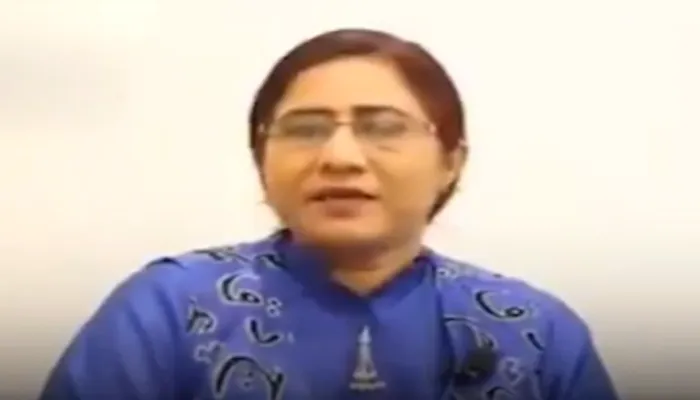
Case Summary
A Hindu woman was discriminated against based on her religion while she was studying at a university in Pakistan. She stated that during a visit to the university library, she attempted to drink water but was stopped by the Librarian, who was a Muslim. The Muslim Librarian refused her access to the water facility, calling her "impure" due to her Hindu religious identity. The Muslim librarian told her that she should not drink water there because she was a non-Muslim. According to her statement in a viral video, such acts of exclusion made it difficult for her to feel safe and accepted within the institution. It may be noted that the video that went viral was an undated video. Hinduphobia Tracker could not independently verify the authenticity of the video. Hindu minorities in Pakistan face persistent persecution, marked by systemic discrimination, violence, and forced conversions. Hindus, particularly women and young girls, are often abducted, forcibly converted to Islam, and married off to Muslim men with little to no legal recourse. Temples are frequently vandalised or destroyed, and Hindu communities are subjected to social and economic marginalisation. Blasphemy laws are disproportionately used against Hindus, leading to false accusations and severe punishments. Many Hindu families are forced to flee their homes due to religious intolerance, living in constant fear of attacks. This sustained persecution highlights the dire conditions for Hindus in Pakistan, where their religious identity makes them targets of oppression.
Why it is Hate Crime ?
This case has been added to the tracker under the primary category of - 'Attack not resulting in death' and sub-category selected is - 'Attacked for Hindu identity'. In several cases, Hindus are attacked merely for their Hindu identity without any perceived provocation. A classic example of this category of religiously motivated hate crime is a murder in 2016. 7 ISIS terrorists were convicted for shooting a school principal in Kanpur because they got ‘triggered’ seeing the Kalava on his wrist and tilak that he had put. In this, the Hindu victim had offered no provocation except for his Hindu religious identity. The motivation for the murder was purely religious, driven by religious supremacy. Such cases where Hindus are targeted merely for their religious identity would be documented as a hate crime under this category. In Pakistan, Hindus continue to face daily reminders that they are treated as outsiders in a country that should also be theirs. For decades, they have lived with the weight of systemic persecution, from forced conversions and attacks on temples to routine discrimination in schools and workplaces. The experience of a Hindu woman at a Pakistani university is one more example of this painful reality. She recalled how, during a visit to the university library, she felt thirsty and tried to drink water. At that moment, the librarian, who was Muslim, stopped her. Instead of allowing her a simple sip of water, he told her she was "impure" because she was Hindu and had no right to use the same facility. His words carried more than just prejudice; they reflected a mindset where Hindus are treated as lesser beings, unworthy of sharing even the most basic resources with Muslims. This bias does not arise in isolation. It stems from a deep-rooted animosity many Muslims in Pakistan harbour toward Hindus, a sentiment woven into social attitudes, cultural practices, and sometimes even state policy. To brand someone "impure" because of their religion is not simply an insult; it is an act meant to dehumanise and exclude, reinforcing the idea that Hindus do not deserve equal space in society. For her, it was not just about being denied water. It was about being denied dignity. Small humiliations like these make it almost impossible for Hindus in Pakistan to feel safe or accepted, even in institutions that should be about learning and equality. Being labelled "impure" in front of others was an attempt to push her into silence, to remind her that she did not belong. This act of exclusion is more than personal bias. It is a hate crime born out of religious hostility, rooted in the belief that Hindus are inferior. Incidents like this are a stark reminder that Hindus in Pakistan are not just struggling against social prejudice but against an entrenched system of religious supremacy and hostility that robs them of equality, safety, and the basic respect every human deserves.
Victim Details
Total Victim
1
Deceased
0
Gender
- Male 0
- Female 1
- Third Gender 0
- Unknown 0
Caste
- SC/ST 0
- OBC 0
- General 0
- Unknown 1
Age Group
- Minor 0
- Adult 1
- Senior Citizen 0
- Unknown 0


Case Status
Unknown


Perpetrators Details
Perpetrators
Muslim Extremists
Perpetrators Range
One Person
Perpetrators Gender
male
 Sources




