Poor Hindu woman forcibly converted to Islam at Bharchundi Sharif shrine in Sindh, Pakistan
 Ghotki, Sindh, Pakistan
  2 August, 2025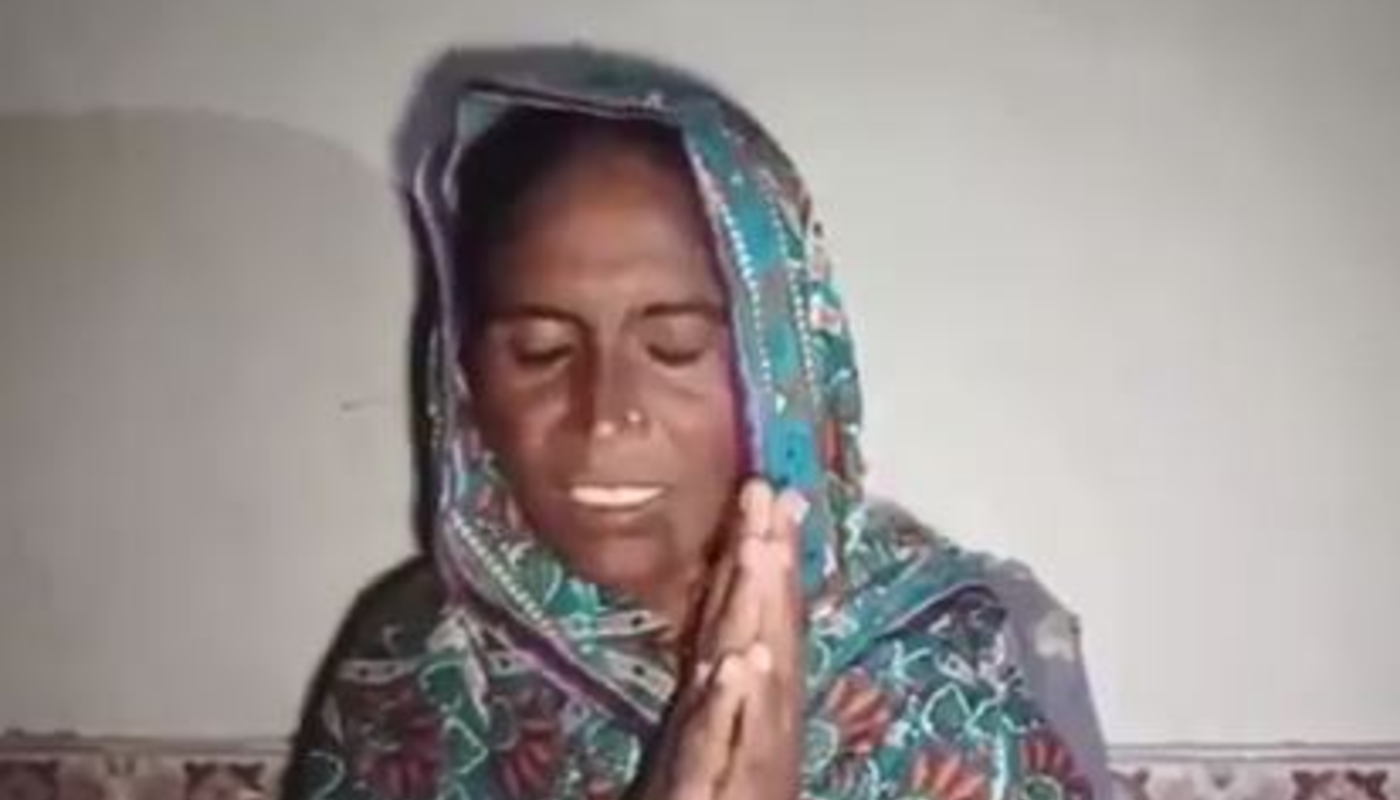
Case Summary
In Ghotki, Sindh, Pakistan, a Hindu woman was forcefully converted to Islam at the Bharchundi Sharif shrine. The woman, from a poor Hindu family, was taken to the shrine where she was renamed Zarina Bibi and issued a formal conversion certificate. Her family confirmed that she had been coerced through false promises and prolonged pressure. This shrine was long reported by rights groups for institutionalising forced religious conversions. Local activists denounced the practice as coercion, not faith, noting how this has become a repeated pattern. Despite laws in place, authorities in Pakistan routinely claim these conversions are voluntary, ignoring the fact that poverty, intimidation, and religious intimidation leave victims with no real agency. The incident is yet another grim example of the ongoing pattern of targeted abductions and coercive conversions of Hindu girls in Pakistan, particularly minors, underscoring the broader reality of relentless persecution faced by the Hindu minority. This community continues to endure systemic discrimination, violence, and forced conversions, with women and young girls being especially vulnerable to abduction, forced conversion to Islam, and marriage to Muslim men, often without any legal protection or recourse. Hindu temples are routinely vandalised or destroyed, and entire communities face deep social and economic marginalisation. Blasphemy laws are disproportionately used against Hindus, leading to false accusations and severe punishments. Many Hindu families are forced to flee their homes due to religious intolerance, living in constant fear of attacks. This sustained persecution highlights the dire conditions for Hindus in Pakistan, where their religious identity makes them targets of oppression.
Why it is Hate Crime ?
The primary category in this case is: Predatory proselytisation. The subcategory under this is: Harassment, threats, coercion for conversion. Harassment covers a wide range of behaviours of an offensive nature. It is commonly understood as behaviour that demeans, humiliates, and intimidates a person, including threats and coercion. Harassment and threats, in this case, find their root on discriminatory grounds which has the effect of nullifying a person’s rights or infringing upon his freedom to exercise his right specifically owing to the victim’s religious identity. Verbal and physical threats and psychological or physical harassment are often used against Hindu victims because they choose to practice their professed religion. Religious harassment also includes forced and involuntary conversions by harassment, threats or coercion. Coercion includes intimidatory tactics like force-feeding a Hindu victim beef to convert to another religion, forceful circumcision etc. In several cases documented, non-Hindu perpetrators or those who harbour specific animosity towards Hinduism, harass victims simply based on their religious identity. Such cases often also include harassment to ensure the Hindu victim abandons his/her professed religion and adopts the religion of the perpetrator. Such cases where Hindu victims are harassed to convert to the perpetrator’s religion are rooted in animosity towards the victim’s religious identity and are therefore documented as religiously motivated hate crimes. This case qualifies as a hate crime against Hindus because the Hindu woman was targeted specifically due to her religious identity and coerced into abandoning her faith through psychological pressure and deceitful inducements. The forced conversion at the Bharchundi Sharif shrine was not an act of voluntary religious change but a clear instance of religious harassment rooted in systemic discrimination against Hindus in Pakistan. The power imbalance, the use of intimidation and false promises, and the public issuance of a conversion certificate without genuine consent all point to an institutionalised effort to strip Hindu individuals of their religious freedom. Such actions reflect a broader pattern of predatory proselytisation aimed at erasing Hindu identity, thereby constituting a religiously motivated hate crime. The ideological motives behind such acts, whether in Pakistan or in India, reflect a pattern: to subordinate and eliminate dissenting belief systems. This makes religious conversion by coercion not merely a legal violation but a cultural and civilisational aggression. The personal dignity of the Hindu victim is undermined, and the community’s right to exist as equal citizens is challenged. Each incident of harassment to force conversion signals the larger malaise of religious majoritarianism, which, left unchecked, undermines both religious freedom and human dignity. This incident is emblematic of a longstanding and deeply entrenched pattern of persecution faced by Hindu minorities in Pakistan. This incident, involving the coercive conversion and forced marriage of a Hindu minor by an Islamist perpetrator, mirrors the widespread and well-documented practices of targeted violence, abductions, and forced conversions that have afflicted the Hindu community across various regions of the country. Reports and human rights documentation consistently highlight how Hindu girls are especially vulnerable to such attacks, often with little to no intervention from authorities, and how these crimes are frequently facilitated or ignored by local institutions, including the police.
Victim Details
Total Victim
1
Deceased
0
Gender
- Male 0
- Female 1
- Third Gender 0
- Unknown 0
Caste
- SC/ST 0
- OBC 0
- General 0
- Unknown 1
Age Group
- Minor 0
- Adult 1
- Senior Citizen 0
- Unknown 0


Case Status
Unknown


Perpetrators Details
Perpetrators
Muslim Extremists
Perpetrators Range
Unknown
Perpetrators Gender
unknown
 Sources




