Hindu woman assaulted and pressured to convert to Islam after nikah with Muslim man in Lucknow
 Lucknow, Uttar Pradesh, India
  13 March, 2026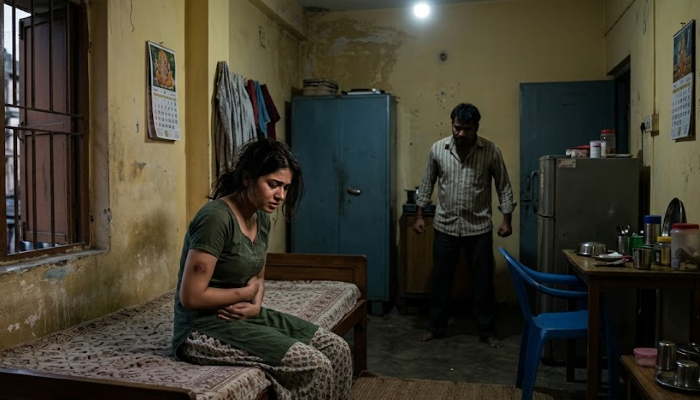
Case Summary
A young Hindu woman in Lucknow, Uttar Pradesh, endured prolonged abuse, coercion for religious conversion, and severe physical violence after entering a relationship with a Muslim man, Farheen Khan, who promised marriage but instead subjected her to a deceptive Islamic marriage ceremony. The twenty-three-year-old was drawn into the relationship through a friendship that developed in the Kashmiri Bagh Pakka Pul area of the city. Following the nikah (Islamic marriage) ceremony on 20 October 2024, she faced relentless pressure from Khan to convert to Islam and adopt Islamic practices. This abuse escalated into brutal physical violence, including a targeted assault during her pregnancy that resulted in the tragic loss of her unborn child. Originally from the Gopalganj district in Bihar, the young woman had been living with her mother for approximately three years in the Ashok Vihar area of Lucknow. During this time, she befriended Farheen Khan, who lived in the Kashmiri Bagh Pakka Pul locality. As their bond grew, Khan proposed marriage. On 20 October 2024, he organised a nikah after assuring her that he would later honour her heritage by adopting Hindu customs and marrying her according to Hindu religious rites. During the preparation of the nikahnama (the Islamic marriage contract), Khan obtained her signature through deception, failing to inform her of the document's actual contents. Following the ceremony, he did not take her to his family home but instead kept her in rented accommodation nearby. In this isolated setting, he repeatedly pressured her to adopt Islamic practices and recite the kalma (the Islamic declaration of faith), while insisting she abandon her Hindu identity. Whenever she resisted these demands, Khan subjected her to physical violence and intimidation. Over time, the husband intensified the abuse while continuing his campaign for her religious conversion. When the woman reached her third month of pregnancy, she questioned Khan about his earlier promises to respect her religion and perform Hindu marriage rituals. In response, Khan assaulted her and kicked her in the abdomen. This violent attack caused her to suffer a miscarriage. Following the assault, the perpetrator abandoned her in her injured and grieving state. The victim also endured physical and mental harassment for nearly a year. During this period, Khan repeatedly threatened her with severe consequences, including death threats and threats to sell her if she attempted to report the abuse. Eventually, she filed a written complaint at the Talakatora Police Station in Lucknow, detailing the exploitation, forced conversion attempts, and the physical assault she suffered. Based on her statement, the police registered a criminal case against Farheen Khan and initiated a formal investigation. Authorities confirmed that the case involves grave charges of sexual exploitation, coercion for religious conversion, and violence resulting in a miscarriage. Police proceedings are currently underway as the investigation into the perpetrator's actions continues.
Why it is Hate Crime ?
The primary category for this case is "Crimes against women in relationships and other sexual crimes". The sub-category here is "Forced conversion after marriage". The tertiary category here is "forced to read Kalma". In such cases, a non-Hindu man marries a Hindu woman, and the force/pressure to convert to any Abrahamic faith, like Islam, begins after marriage. In such cases, typically, two patterns emerge. First, when the relationship is consensual, and the religious identity of the perpetrator is known to the Hindu woman in the relationship. The marriage could be under the Special Marriages Act, where neither parties are required to convert their religion for the marriage to be considered legitimate. While the victim in such cases enters matrimony assuming that religious identity is not a barrier, the non-Hindu man starts to pressure the woman to convert her religion after marriage. The second is when the woman gets into a marriage with the man, pretending to share her faith. Later, when the truth is revealed, the man starts pressuring the woman to convert her religion and give up her religious identity. In both situations, there is application of force by the perpetrator, including the denial of the woman’s religious rights. Some of the means by which the woman is forced/pressured to convert include force-feeding beef, being forced to read the Kalma, being forced to wear a hijab, forced to undergo Halala, etc. There are several instances where, after marriage, the woman voluntarily converts to Islam. Such cases are often argued to be a result of religious brainwashing, however, for the purpose of documenting religiously motivated hate crimes, in the absence of the victim complaining of forced conversion, such cases do not form a part of the database. Another sub-category that this case qualifies for is "Assault or threat upon refusal to convert". When Hindu women are in a relationship with non-Hindu men, there are cases where the woman faces threats or assault after she refuses to convert and change her religious identity owing to pressure/force by the non-Hindu man. Such relationships may be consensual with the religious identity of the non-Hindu man known to the victim. Somewhere along the relationship, the non-Hindu man starts pressurizing the Hindu woman to convert to Islam and upon her refusal, assaults or threatens the victim. Such cases are driven by specific religious motivations and against the religious identity of the victim and are therefore qualified as hate crimes. Cases where the Hindu woman converts to Islam and does not file a complaint about the force or threat, are not considered a part of the hate tracker, even though, it may be argued that the woman was brainwashed or threatened to convert to Islam. This case qualifies as a religiously motivated hate crime because a Hindu woman was deceived into entering a religious marriage arrangement and subsequently subjected to sustained pressure to abandon her Hindu identity and adopt Islamic religious practices. The Hindu woman entered the relationship after being assured by the Muslim perpetrator that he would later adopt Hindu customs and conduct a marriage according to Hindu religious rites. Instead, the Muslim man organised a nikah, Islamic marriage ceremony, and after the marriage began exerting continuous pressure on the Hindu woman to convert to Islam. The coercion, physical violence, and intimidation used against the Hindu victim demonstrate that the relationship was used as a mechanism to compel the Hindu woman into religious assimilation. The events of the case demonstrate coercion for religious conversion after marriage. Following the nikah ceremony, the Muslim husband repeatedly pressured the Hindu woman to abandon her Hindu religious identity and adopt Islamic practices. He insisted that the Hindu woman recite the kalma, the Islamic declaration of faith, which represents the formal affirmation of Islamic belief. This repeated insistence that the Hindu victim adopt the religious declaration of Islam indicates that the marriage was used as a means to compel the Hindu woman toward religious conversion. The pressure applied within the marital relationship reflects a pattern in which the Hindu woman’s religious identity was directly targeted and challenged. The case also demonstrates the use of violence and intimidation when the Hindu victim resisted the pressure to convert. When the Hindu woman objected to the demands placed upon her and questioned the promises made before the marriage, the Muslim perpetrator subjected her to repeated physical assaults. The violence escalated during the period when the Hindu woman was pregnant, when the Muslim husband kicked her in the abdomen, resulting in the loss of her unborn child. The use of physical violence following the Hindu victim’s resistance to conversion demands illustrates the use of assault as a means of enforcing religious coercion and suppressing the Hindu woman’s refusal to abandon her faith. The case further involves coercion directed at forcing the Hindu woman to participate in Islamic religious practices. The Muslim husband repeatedly pressured the Hindu victim to recite the kalma and conform to Islamic practices inside the relationship. Such actions demonstrate an effort to compel the Hindu woman to adopt religious practices that are not part of her Hindu faith. The sustained pressure placed on the Hindu woman to perform these religious acts illustrates the coercive attempt to reshape the Hindu victim’s religious identity within the marriage. The circumstances of the case also constitute crimes against women within a relationship involving sexual exploitation and domestic violence. The Hindu woman was deceived into marriage through assurances that the relationship would respect her religious identity and that Hindu marriage rituals would also take place. Instead, the relationship became a setting in which the Hindu victim faced continuous intimidation, violence, and coercion for religious conversion. The Muslim perpetrator exploited the marital relationship to exert control over the Hindu woman while attempting to compel her to abandon her Hindu religious identity. Given that this case meets the parameters of a religiously motivated hate crime, it is being added to the hate crime database of the tracker.
Victim Details
Total Victim
1
Deceased
0
Gender
- Male 0
- Female 1
- Third Gender 0
- Unknown 0
Caste
- SC/ST 0
- OBC 0
- General 0
- Unknown 1
Age Group
- Minor 0
- Adult 1
- Senior Citizen 0
- Unknown 0


Case Status
Complaint filed


Perpetrators Details
Perpetrators
Muslim Extremists
Perpetrators Range
One Person
Perpetrators Gender
male
 Sources




