Hindu sentiments outraged as youths make derogatory remarks against Hindu deities in Bidar, Karnataka
 Bidar, Karnataka, India
  12 February, 2026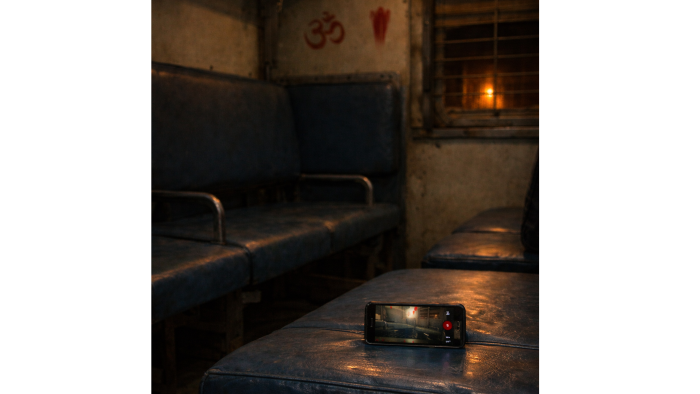
Case Summary
In Bidar district, Karnataka, Hindu religious sentiments were deliberately hurt when three youths made objectionable remarks about Lord Rama and Lord Krishna in the form of poetry during a train journey, which was recorded and went viral on social media. According to reports, a video surfaced on social media showing three youths, namely Kalidasa Suryavanshi, Rahul Khandare, and Kapil Godbole, along with some other youths from Attarga village in Hulsoor taluka, making objectionable comments about Hindu deities in the form of poetry during a train journey. The group also mocked Mahatma Gandhi. The footage sparked outrage across the Bidar district, especially in Mehkar, Saygaon, and Alwai areas. After the video went viral, hundreds of Hindus gathered outside the Mehkar police station demanding immediate strict action against the perpetrators. Hindu organizations including Vishwa Hindu Parishad and Bajrang Dal, led protests in Bhalki, demanding the arrest of those involved and stating that such content hurt religious sentiments and disturbed social harmony. A complaint was filed at the Mehkar police station based on the viral video. The police registered a case and initiated an investigation. Some accused were taken into custody for questioning. Vishwa Hindu Parishad and Bajrang Dal workers staged protests demanding that a case be registered under relevant sections for spreading hatred and that strict action be taken against the perpetrators. Hindu organisations issued a warning that if immediate action was not taken, they would launch an aggressive agitation across the entire district. Since the case was regarding hurting religious sentiments, a tense situation prevailed in Bidar district and the border areas of Maharashtra and Karnataka, with all eyes on the case.
Why it is Hate Crime ?
The primary category for this case is "Hate speech against Hindus". The sub-category this case qualifies for is "Anti-Hindu slurs, mocking faith". Anti-Hindu slurs and the deliberate mocking of the Hindu faith owing to religious animosity involve the usage of derogatory terms, stereotypes, or offensive references to religious practices, symbols, or figures. One of the common anti-Hindu slurs used against Hindus is “cow-worshipper” and “cow piss drinker”. The intention of using this term is to demean and mock Hindus as a group and their religious beliefs since Hindus consider the cow holy. Additionally, some symbols and the slurs attached to them have a historical context that exacerbates the insult, hate, stereotyping, dehumanisation and oppression against Hindus. Cow worship has been used for centuries to denigrate Hindus, insult their faith and oppress Hindus specifically as a religious group. There has been overwhelming documentation about how cow slaughter has been used to persecute Hindus with cow meat being thrown in temples and places of worship. There has also been overwhelming documentation where cow meat (beef) has been force-fed to Hindus to either forcefully convert them to Islam or denigrate their faith. Apart from cow worship, the Swastika – which holds deep religious significance for the Hindus – has also been misinterpreted and distorted to use as a slur against Hindus. Similarly, the worship of the Shivling has been used by supremacist ideologies and religions to denigrate Hindus owing to religious animosity. Such slurs and denigration stem out of inherent animosity and hate towards Hindus and their faith, therefore, it is categorised as hate speech targeted at Hindus specifically owing to their religious identity. This incident featured deliberate mockery and denigration of Hindu beliefs, with perpetrators making objectionable remarks about revered deities. It displayed clear traits of religiously motivated hate speech aimed at the Hindu community. The perpetrators made objectionable comments about Lord Rama and Lord Krishna, two of the most revered deities in Hinduism, in the form of poetry during a train journey. By choosing to mock these central figures of Hindu worship, the youths demonstrated a deliberate intent to insult and belittle Hindu religious beliefs. Lord Rama and Lord Krishna hold profound spiritual significance for millions of Hindus, representing divine virtues, moral ideals, and religious devotion. Targeting these deities in a derogatory manner specifically indicates that the remarks were designed to hurt Hindu sentiments and show contempt for the Hindu faith. The fact that these remarks were made publicly during a train journey and recorded on video indicates the perpetrators wanted their mockery to reach a wide audience. The deliberate act of recording and subsequently circulating the video on social media platforms amplified the hate speech, ensuring maximum exposure and impact. This demonstrates premeditation and a clear desire to spread anti-Hindu sentiment beyond the immediate setting where the remarks were made. The content was framed as poetry, which suggests the perpetrators put thought and effort into crafting their message. This was not a spontaneous outburst or accidental remark, but rather a composed and deliberate expression of mockery directed at Hindu religious beliefs. The poetic format was chosen to make the content more memorable and shareable, further indicating a calculated intent to spread anti-Hindu slurs. The widespread outrage that followed across the Bidar district, particularly in Mehkar, Saygaon, and Alwai areas, demonstrates the serious impact of this hate speech on the Hindu community. Hundreds of citizens gathered to demand justice, and Hindu organisations led protests demanding strict action. This collective response reflects the deep hurt caused to Hindu religious sentiments and confirms that the community perceived these remarks as a targeted attack on their faith. Given that this case meets the parameters of a religiously motivated hate speech, it is being added to the hate crime database of the tracker. Disclaimer: The Hinduphobia Tracker records incident dates based on when a crime occurs, rather than when it is reported. However, the exact date of this incident was not mentioned in any available news reports or sources. The articles only noted that a video went viral on social media, showing the objectionable remarks that sparked protests and police action. In the absence of a specific date, and to maintain accurate records in our hate crime database, we used 13 February 2026, the date of media publication, as the reference date for this case. This serves solely for documentation and tracking purposes and does not reflect the actual occurrence.


Case Status
Case sub-judice


Perpetrators Details
Perpetrators
Others
Perpetrators Range
From 2 To 5
Perpetrators Gender
male
 Sources




