Hindu sentiments insulted as man on social media makes derogatory remarks against Lord Ram
 Pilibhit, Uttar Pradesh, India
  7 February, 2026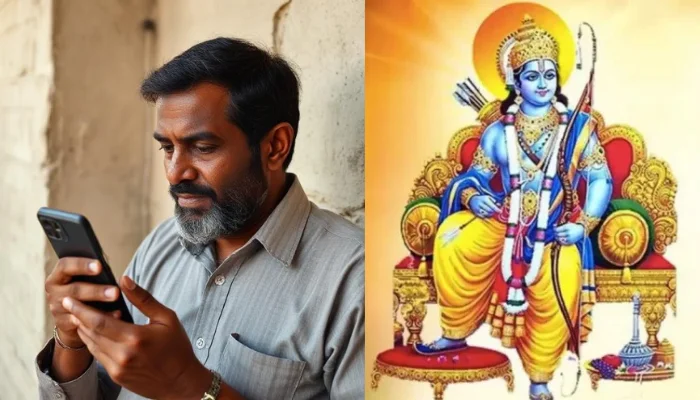
Case Summary
In Pilibhit, Uttar Pradesh, Hindu sentiments were insulted when a man made derogatory remarks against Lord Ram on social media. According to media reports, the perpetrator is identified as Amit, a resident of Makarandpur village. On 8 February 2026, the accused shared a video on his social media account that contained indecent and objectionable comments against Lord Ram. The video quickly circulated on local WhatsApp groups and Facebook, sparking outrage among members of the Hindu community. Following the video's release, officials and activists from various Hindu organisations came together and stated that the post was deliberately shared with the intention of inciting religious sentiments and spreading social hatred. Officials said Hindu organisations demanded the immediate arrest of the accused under serious criminal charges. They warned that if action was not taken, they would be forced to take to the streets and protest. Meanwhile, police said that information about the concerned social media accounts was being collected, and security had been increased in the area to prevent any untoward incident. Bilsanda police station chief Siddharth Sharma said the accused had been identified as Amit. The case was being investigated, and strict legal action would be taken after evidence was collected.
Why it is Hate Crime ?
This case has been added to the tracker under the primary category- Hate Speech against Hindus. The subcategory selected is- Anti-Hindu slurs, mocking faith. Anti-Hindu slurs and the deliberate mocking of the Hindu faith owing to religious animosity involve the usage of derogatory terms, stereotypes, or offensive references to religious practices, symbols, or figures. One of the common anti-Hindu slurs used against Hindus is “cow-worshipper” and “cow piss drinker”. The intention of using this term is to demean and mock Hindus as a group and their religious beliefs since Hindus consider the cow holy. Additionally, some symbols and the slurs attached to them have a historical context that exacerbates the insult, hate, stereotyping, dehumanisation and oppression against Hindus. Cow worship has been used for centuries to denigrate Hindus, insult their faith and oppress Hindus specifically as a religious group. There has been overwhelming documentation about how cow slaughter has been used to persecute Hindus with cow meat being thrown in temples and places of worship. There has also been overwhelming documentation where cow meat (beef) has been force-fed to Hindus to either forcefully convert them to Islam or denigrate their faith. Apart from cow worship, the Swastika – which holds deep religious significance for the Hindus – has also been misinterpreted and distorted to use as a slur against Hindus. Similarly, the worship of the Shivling has been used by supremacist ideologies and religions to denigrate Hindus owing to religious animosity. Such slurs and denigration stem out of inherent animosity and hate towards Hindus and their faith, therefore, it is categorised as hate speech targeted at Hindus specifically owing to their religious identity. This case stands as a clear instance of religiously motivated hate speech, as the accused denigrated Lord Ram, a revered Hindu deity, on social media. Hindu deities like Lord Ram hold divine religious importance in Hinduism as incarnations of the divine who embody dharma, righteousness, and the protection of devotees. Hindus revere him as a sacred icon, worshipping him daily through puja, festivals like Ram Navami, and lifelong devotion that forms the core of their spiritual and religious identity. The accused, Amit from Makarandpur village, denigrated this revered figure through indecent and objectionable comments in a video shared on social media. This abuse showcased hatred towards the Hindu community, denigrating a sacred deity to humiliate and undermine the Hindu faith, marking it as clear, religiously motivated hate speech. The accused amplified this hate by uploading the video to social media, where it went viral on local WhatsApp groups and Facebook, inflicting widespread pain on Hindus who witnessed their deity profaned publicly. Such public denigration maximised emotional trauma, shattering religious reverence and fostering insecurity among Hindu devotees. When an individual spews such derogatory content, it emboldens others to mimic the abuse, normalising attacks on Hinduism and inciting further denigration of the Hindu community, cementing this as religiously motivated hate speech with dangerous societal ripple effects. Since this case met all parameters of religiously motivated hate speech, it has been added to the Hinduphobia Tracker's Hate Crime Database.


Case Status
Unknown


Perpetrators Details
Perpetrators
Others
Perpetrators Range
One Person
Perpetrators Gender
male
 Sources




