Muslim man arrested for sexually exploiting women, media mislabels perpetrator as Hindu religious practitioner
 Jhunjhunun, Rajasthan, India
  11 November, 2024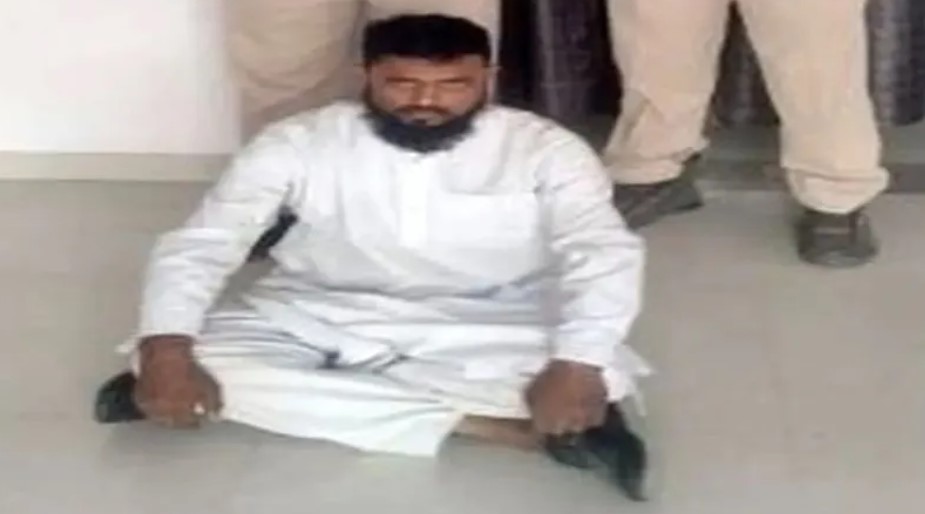
Case Summary
In Rajasthan’s Jhunjhunu, a Muslim 'Aalim' named Rafiq, also known as Ali Khan, has been arrested on charges of sexually exploiting women through false promises. Reports suggest that Rafiq would manipulate women by frightening them with tales of ghosts, eventually leading to exploitation. After a victim came forward and filed a complaint, the police took him into custody. The investigation revealed that Rafiq, originally from West Bengal, would initially draw women in, gather personal information, and then exploit them both physically and financially. It was also uncovered that Rafiq, who primarily targeted young women and girls, already had two wives. He reportedly carried bones to create an impression of mysticism, using this to deceive his targets. Interestingly, while our report identifies the accused as Rafiq alias Ali Khan, media outlets covering the case have referred to him as a ‘Tantrik’ and used terms such as tantra-mantra. Headlines have labelled him as "Bengali Baba," which could mislead readers into assuming that the accused is a Hindu 'baba,' thereby downplaying his Muslim identity. Tantrik, Tantra-Mantra, and Baba are all related to Hinduism. Other religions have specific terminology for occult practices and occultists, therefore the right wing has long opposed using the term Tantrik to describe a Muslim Aalim involved in criminal activities. Despite the objections, the mainstream media is not refraining from using misleading terms like Tantrik and Baba for Muslim exorcists in such cases.
Why it is Hate Crime ?
This case has been added to the hate tracker under the prime category of 'Hate speech against Hindus'. Under this, the sub-category chosen is- Anti-Hindu subversion and prejudice. Further, based on case details, the tertiary category named- Mislabelling/Misrepresentation of perpetrator's religion as Hindu, has also been chosen within the above-mentioned category. Hate speech is defined as any speech, gesture, conduct, writing, or display that is prejudicial against a specific individual and/or group of people, which is leading to or may lead to violence, prejudicial action or hate against that individual and/or group. Media plays a specific and overarching reach in perpetuating prejudicial attitudes towards a community owing to unfair, untrue coverage and/or misrepresentation/misinterpretation, selective coverage and/or omission of facts of/pertaining to issues affecting a specific religious group. This type of bias can dehumanise the victim group, making it easier for others to justify harmful actions against them, which aligns with the objectives of hate speech laws aimed at preventing such harm. It is often observed that the media takes a prejudicial stand against the Hindu community driven by their need to shield the aggressor community which happens to be a numeric minority, however, is the one perpetrating violence against Hindus. For example, the media is often quick to contextualise religiously motivated crimes against Hindus, omit or misrepresent facts that point towards religiously motivated hate crimes, justify and/or downplay religiously motivated hate crimes or simply present fake news to stereotype Hindus. Such media bias leads to the denial of persecution and is often used to dehumanise Hindus, leading to justification for violence against them. For example, the media covered several fake allegations of Hindus targeting Muslims and forcing them to chant Jai Shree Ram. Most of these cases were proved false and fabricated after police investigation. These fake news reports were subsequently never retracted or clarified. Such fake news led to the justification of violence and dehumanisation of Hindus based on the argument that since Hindus targeted Muslims and forced them to chant Jai Shree Ram, the dehumanisation of Hindus and violence against them was par for the course and merely a retaliation. Such media bias leads to prejudicial portrayal of Hindus and offers a justification for violence against them and therefore, is considered hate speech under this category. In this case, despite Rafiq alias Ali Khan's clear religious identity as a Muslim Aalim, media reports misrepresented him as a ‘Tantrik’ or ‘Bengali Baba’—terms commonly associated with Hindu spiritual practitioners. This intentional mislabeling not only distorts the facts but also subtly attributes his alleged misconduct to Hindu practices, fostering an unfair, negative perception of Hindu spiritual figures and reinforcing harmful stereotypes. Such biased reporting fosters animosity against the Hindu community and perpetuates harmful stereotypes. By consistently framing Hindus as aggressors and ignoring or downplaying violence or injustice against them, this type of media bias contributes to creating a hostile environment. When media outlets intentionally fuel division and provoke anti-Hindu sentiments, it crosses into the realm of incitement, which can contribute to real-world consequences such as discrimination, violence, or social exclusion of Hindus. This deliberate targeting of Hindus and their beliefs through one-sided narratives serves to malign their identity, culture, and faith, aligning with the broader scope of hate crimes that aim to marginalize or vilify a specific religious community. Since this sort of prejudicial reporting can be seen as a form of hate speech, further deepening animosity toward Hindus and their faith, this case has been added to the tracker.


Case Status
Unknown


Perpetrators Details
Perpetrators
Others
Perpetrators Range
N/A
Perpetrators Gender
unknown
 Sources




