Attack on Hindu sentiments: Muslim man makes derogatory remarks on Hindu faith and community on social media
 Balrampur, Uttar Pradesh, India
  6 October, 2025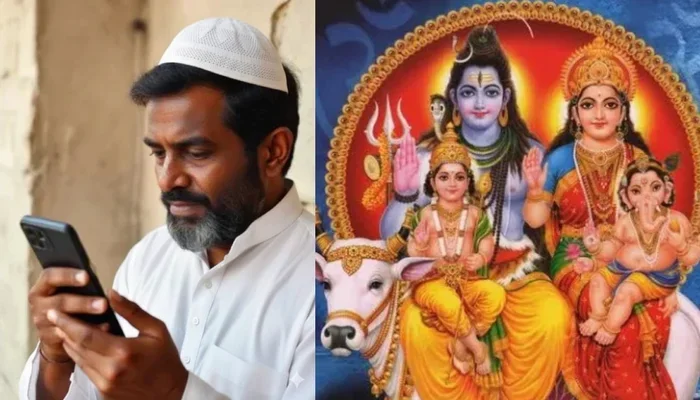
Case Summary
In Balrampur, Uttar Pradesh, derogatory remarks against the Hindu community and Hinduism were made by a Muslim man named Dilshad Ali. According to media reports, the Muslim accused is a resident of Deoria Adam village. The accused was posting obscene and offensive remarks against Hinduism and the Hindu community on his social media. He shared these messages through his mobile status. This caused distress and hurt the religious sentiments of Hindus. Following this, a Hindu man named Ajay Tiwari filed a police complaint against Dilshad Ali. Ajay demanded strict legal action and the immediate arrest of Dilshad, stating that such criminals needed to be stopped for peace to prevail in society. Reports also revealed that the accused sent obscene messages to the mobile phone of a Hindu man named Deepak, a companion of Ajay Tiwari. Given the seriousness of the case, the police began investigating based on Ajay's complaint. At the time of writing this report, the investigation is ongoing.
Why it is Hate Crime ?
The primary category selected in this case is- Hate Speech against Hindus. The subcategory selected is- Anti-Hindu slurs, mocking faith. Anti-Hindu slurs and the deliberate mocking of the Hindu faith owing to religious animosity involve the usage of derogatory terms, stereotypes, or offensive references to religious practices, symbols, or figures. One of the common anti-Hindu slurs used against Hindus is “cow-worshipper” and “cow piss drinker”. The intention of using this term is to demean and mock Hindus as a group and their religious beliefs since Hindus consider the cow holy. Additionally, some symbols and the slurs attached to them have a historical context that exacerbates the insult, hate, stereotyping, dehumanisation and oppression against Hindus. Cow worship has been used for centuries to denigrate Hindus, insult their faith and oppress Hindus specifically as a religious group. There has been overwhelming documentation about how cow slaughter has been used to persecute Hindus with cow meat being thrown in temples and places of worship. There has also been overwhelming documentation where cow meat (beef) has been force-fed to Hindus to either forcefully convert them to Islam or denigrate their faith. Apart from cow worship, the Swastika – which holds deep religious significance for the Hindus – has also been misinterpreted and distorted to use as a slur against Hindus. Similarly, the worship of the Shivling has been used by supremacist ideologies and religions to denigrate Hindus owing to religious animosity. Such slurs and denigration stem out of inherent animosity and hate towards Hindus and their faith, therefore, it is categorised as hate speech targeted at Hindus specifically owing to their religious identity. This is a clear case of anti-Hindu hate speech. The Muslim accused, Dilshad Ali, posted obscene and offensive messages targeting Hinduism and the Hindu community on social media. The derogatory remarks made by the accused against the Hindu community were not mere expressions of opinion but a manifestation of deeply entrenched animosity. Although his posts and statements were not made public, they reflected profound intolerance and hostility toward Hindus, aimed at demeaning and undermining their identity and existence. When an individual targets a community with offensive language and slurs, it signifies more than personal grievance—it exposes a systemic and deep-seated prejudice intended to sow discord and create hatred for the Hindu community. These acts are rooted in animosity toward Hindus and their faith, amounting to a clear instance of anti-Hindu hate speech. Furthermore, the messages also targeted the Hindu faith, striking at the religious and cultural identity of Hindus. The deliberate targeting of Hinduism in this manner shows that the hostility extended beyond individual disagreement to the wider Hindu community, reflecting religiously motivated malice. Circulating obscene and offensive content in this way demonstrates entrenched prejudice, making this a clear case of hate speech motivated by religious bias. In recent times, social media has increasingly become a platform for anti-Hindu hate, with derogatory memes, videos, and messages targeting Hindu religious symbols, practices, and beliefs. Such content forms part of a broader pattern of Hinduphobia and religiously motivated online hate. This deliberate targeting of the Hindu community firmly establishes this act as a religiously motivated hate crime, and it is therefore being categorised under the hate crime database.


Case Status
Complaint filed


Perpetrators Details
Perpetrators
Muslim Extremists
Perpetrators Range
One Person
Perpetrators Gender
male
 Sources




