Muslim residents of a Muslim-dominated village threaten tribal Hindus not to celebrate Navratri festival
 Bharuch, Gujarat, India
  10 October, 2023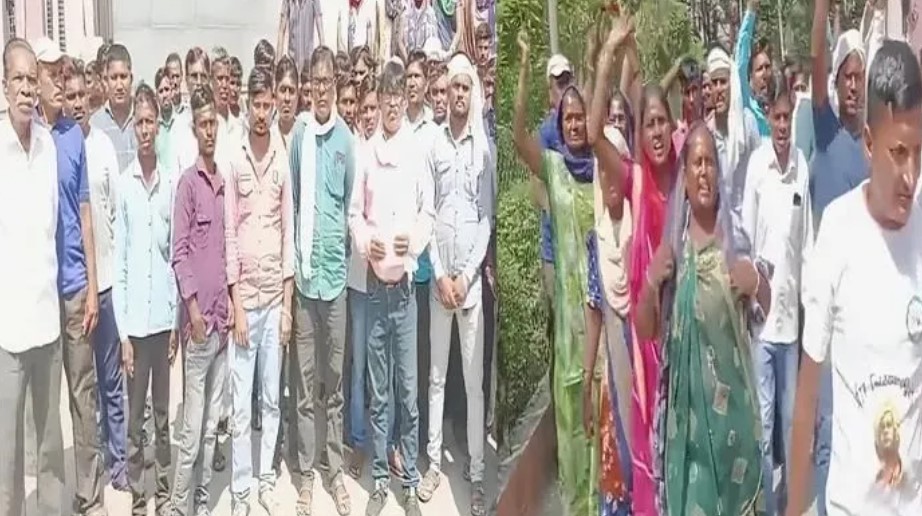
Case Summary
On October 11, 2023, Muslims in Ikhar village of Amod taluka of Bharuch district in Gujarat, threatened the Hindu tribal community not to organise Navratri and said they would pelt stones if the event was held. According to reports, the tribal community of Ikhar village, a Muslim-dominated village in Amod taluka of Bharuch district, had submitted a memorandum at the collector’s office. The petition stated that the local Muslim leader of the village had threatened the people of the tribal community not to celebrate Navratri. Meanwhile, it was also complained that tribal youths were abused and called by casteist words.
Why it is Hate Crime ?
This case has been added to the hate tracker under two prime categories. The first is- Attack not resulting in death. Under this, the sub-category selected is- Attack against Hindu devotees- Hindu devotees are a few of the easiest targets of religiously motivated hate crimes because during the festival/procession/puja etc, for non-Hindus it is easy to profile their victims on the basis of religion. Hindu devotees come under attack on several occasions by individual non-Hindus or mobs of non-Hindus owing to their animosity against Hinduism, its symbols and tradition/practices. There are several instances of Hindu devotees being attacked while they worship in temples or temporary religious structures, during religious processions, doing bhajan/kirtan/puja in their own homes, in the residential society etc. These attacks are perpetrated by non-Hindus primarily because of their animosity towards Hindus and their faith. In some cases, the trigger for the violence may be non-religious, however, there are two elements that make these hate crimes. First, the Hindus who come under attack are attacked violently while indulging in religious activity. Whether they are in a place of worship or not is immaterial to the crime. When individuals are attacked while indulging in religious practices, the attack in itself is a hindrance to their freedom to practice religion and therefore constitutes a hate crime. Secondly, religious supremacist doctrines and ideologies deem religious practices of Hindus to be offensive ab initio since they are considered “sinful” by these ideologies, worthy to be annihilated by force or coercion. Driven by these religious supremacist ideologies and doctrines, the attacks against Hindu devotees stem from intrinsic animosity towards Hinduism. In some cases, the trigger for the violence may be non-religious, however, it develops into a religiously motivated crime during the course of the violence. Since these attacks stem from animosity towards Hindus and Hinduism, they are considered religiously motivated hate crimes under this category. The second prime category under which this case has been placed is Hate speech against Hindus. Within this, the sub-category selected is- Anti-Hindu slurs, mocking faith- Anti-Hindu slurs and the deliberate mocking of the Hindu faith owing to religious animosity involve the usage of derogatory terms, stereotypes, or offensive references to religious practices, symbols, or figures. One of the common anti-Hindu slurs used against Hindus is “cow-worshipper” and “cow piss drinker”. The intention of using this term is to demean and mock Hindus as a group and their religious beliefs since Hindus consider the cow holy. Additionally, some symbols and the slurs attached to them have a historical context that exacerbates the insult, hate, stereotyping, dehumanisation and oppression against Hindus. Cow worship has been used for centuries to denigrate Hindus, insult their faith and oppress Hindus specifically as a religious group. There has been overwhelming documentation about how cow slaughter has been used to persecute Hindus with cow meat being thrown in temples and places of worship. There has also been overwhelming documentation where cow meat (beef) has been force-fed to Hindus to either forcefully convert them to Islam or denigrate their faith. Apart from cow worship, the Swastika – which holds deep religious significance for the Hindus – has also been misinterpreted and distorted to use as a slur against Hindus. Similarly, the worship of the Shivling has been used by supremacist ideologies and religions to denigrate Hindus owing to religious animosity. Such slurs and denigration stem out of inherent animosity and hate towards Hindus and their faith, therefore, it is categorised as hate speech targeted at Hindus specifically owing to their religious identity. The incident in Ikhar village, Bharuch district, Gujarat, on October 11, 2023, exemplifies a hate crime targeting Hindu devotees through threats and the use of anti-Hindu slurs. The Muslim community in the village, particularly a local Muslim leader, warned the Hindu tribal community against organizing Navratri celebrations, threatening violence in the form of stone-pelting if the event were held. This act of intimidation directly targeted the religious practices and faith of the Hindu community, aiming to suppress their right to celebrate an important festival. Additionally, tribal youths were subjected to casteist slurs, further intensifying the animosity and mockery of their cultural and religious identity. It can be argued that a caste-specific slur is aimed at his micro identity of belonging to the Dalit section of the Hindu community and not his Hindu identity itself. However, as far as Abrahamic religions are concerned, the micro identities of caste, region, and language are secondary. It is the religious identity that drives the animosity of the perpetrator against the Hindu victim. In this case, while Islamists hurled caste abuses at the victim, the hate was driven by his animosity towards Hinduism and Hindus, which is why this case has been added to the hate tracker. The third primary category this case is being added to is 'restriction/ban on Hindu practices' under the sub-category 'restriction on expression of Hindu identity'. An example of the state-affected prejudicial and targeted orders against the Hindu community would be a government denying the right of a Hindu or a group of Hindus to hold a religious procession owing to the animosity of non-Hindu groups. Denial of the religious right of the Hindus to assuage the non-Hindu group which harbours animosity to a point where it could lead to violence against Hindus is not only a failure of law and order but is a prejudicial order against Hindus, denying them their fundamental rights to express their religious identity. An example of a hate crime against Hindus by a non-Hindu would be a non-Hindu institution forcing its Hindu employees to abandon religious symbols that a Hindu would wear as an expression of faith owing to inherent prejudice against the faith professed by the victim or a non-Hindu group of people restricting a Hindu group from constructing a place of worship simply because the demography of the area in which the temple is being built is dominated by non-Hindus. Such actions are driven by religious animosity and/or prejudice against Hindus and their faith and would therefore be categorized as a hate crime.


Case Status
Complaint filed


Perpetrators Details
Perpetrators
Muslim Extremists
Perpetrators Range
Unknown
Perpetrators Gender
male
 Sources




