Hindu community targeted by violent threats in online hate speech
 India
India  15 April, 2025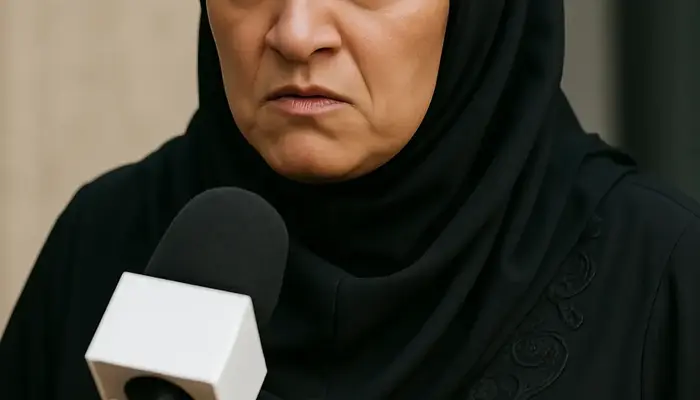
Case Summary
A video featuring a Muslim woman voicing her opposition to the Waqf (Amendment) Act, 2025, gained attention online. In the footage, she issued a warning that if Muslims across the world united, Hindus would not even have land to walk on. She demanded that the Act be repealed, using language that was threatening in tone and communal undertones. The Waqf (Amendment) Act, 2025, formally known as the United Waqf Management, Empowerment, Efficiency and Development Act (UWMEED Act), introduced reforms to the governance of waqf properties. Passed by the Indian Parliament in April 2025, the Act aimed to improve transparency and efficiency in waqf property management. Despite its legislative backing, the Act triggered unrest in some areas, particularly in West Bengal, where Hindus were targeted in violent incidents following the announcement.
Why it is Hate Crime ?
This case has been added to the tracker under the prime category- Hate Speech against Hindus. The sub-category relevant in this case is- Violent threats. Violent threats, explicit, implicit or implied, is the most dangerous form of hate speech since it goes beyond discriminatory and prejudicial language to express the intent of causing harm to an individual or a group of people based on their religious identity and faith. There could be several different kinds of threats that are issued to Hindus based on religious animosity. An explicit threat would mean the direct threat of violence towards an individual Hindu, a group of Hindus or Hindus at large. Physical violence, death threats, threats of destruction of property belonging to Hindus and threats of genocide would mean explicit threats against Hindus for their religious identity. Implicit threats may not be a direct threat but implied through the use of symbols of actions – for example – in the Nupur Sharma case, other than explicit threats, there were also implicit threats when Islamists took to the streets to burn and beat her effigies. It implies that they want to do the same to Nupur Sharma – thereby is considered an implicit threat. Violent threats can be delivered in person, through letters, phone calls, graffiti, or increasingly through social media and other online platforms. It would be important to understand that a threat – explicit or implicit, online or offline – to an individual who happens to be a Hindu does not qualify as a religiously motivated threat. Such a threat, while vile and dangerous, could be owing to non-religious reasons and/or personal animosity. To qualify as a religiously motivated threat, it would need to exhibit an indication that the individual is being targeted for religious reasons and/or owing to his/her religious identity as a Hindu. This case qualifies as a hate crime due to the threatening language used by the Muslim woman, which exhibits clear signs of religious animosity. The statement, in which she warns that if Muslims unite, Hindus would not have land to walk on, clearly conveys a violent threat aimed at Hindus, rooted in their religious identity. Such statements go beyond mere prejudice or discriminatory rhetoric; they express an intent to harm Hindus as a group, based on their religion. By calling for the repeal of the Waqf (Amendment) Act in a manner that includes threats of violence against Hindus, the individual is not merely voicing opposition to the Act but is inciting potential harm against a specific religious group. Moreover, the tone of the statement is both explicit and implicit in nature. The explicit threat is the direct warning about the potential destruction of Hindus' ability to live peacefully on their own land, while the implicit threat lies in the broader message of Muslim unity against Hindus. This creates an environment of fear and hostility, where Hindus are not only subjected to verbal abuse but also exposed to the possibility of violence. The threat, therefore, is religiously motivated, as it is aimed at Hindus specifically because of their religious identity. This makes it a clear case of hate speech.


Case Status
Unknown


Perpetrators Details
Perpetrators
Muslim Extremists
Perpetrators Range
One Person
Perpetrators Gender
female
 Sources




