Historian Ajmer Singh uses derogatory remarks against Hindu Goddess Durga
 Ludhiana, Punjab, India
  31 March, 2016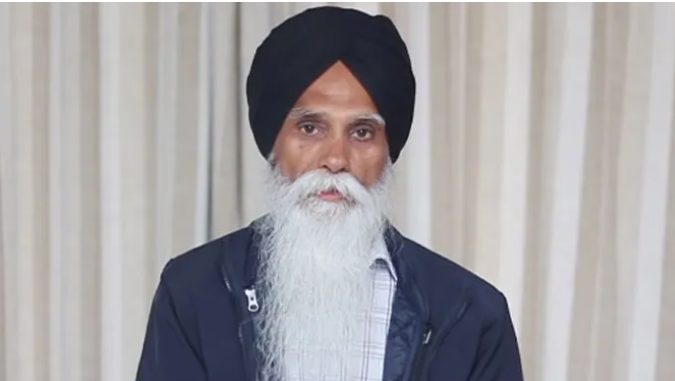
Case Summary
An old video of pro-Khalistani figure Ajmer Singh resurfaced on social media, showing him using derogatory language against Maa Durga. Singh, once a Naxalite turned "historian" known for his pro-Khalistani stance, made the remarks during a seminar on nationalism in Ludhiana in April 2016. He compared Maa Durga to Shrupnakha and praised Mahishasur, labelling him a hero. The video sparked controversy, especially for its offensive remarks about Hindu deities. Interestingly, Singh's writings influenced pro-Khalistani actor-turned-leader Deep Sidhu. Singh had been active in commenting on farmer protests 1.0 and 2.0.
Why it is Hate Crime ?
This particular case has been classified as a religiously motivated hate crime under one prime categories of the hate tracker - Hate speech against Hindus. Under this, the sub-category chosen is- Anti-Hindu slurs, mocking faith- Anti-Hindu slurs and the deliberate mocking of the Hindu faith owing to religious animosity involve the usage of derogatory terms, stereotypes, or offensive references to religious practices, symbols, or figures. One of the common anti-Hindu slurs used against Hindus is “cow-worshipper” and “cow piss drinker”. The intention of using this term is to demean and mock Hindus as a group and their religious beliefs since Hindus consider the cow holy. Additionally, some symbols and the slurs attached to them have a historical context that exacerbates the insult, hate, stereotyping, dehumanisation and oppression against Hindus. Cow worship has been used for centuries to denigrate Hindus, insult their faith and oppress Hindus specifically as a religious group. There has been overwhelming documentation about how cow slaughter has been used to persecute Hindus with cow meat being thrown in temples and places of worship. There has also been overwhelming documentation where cow meat (beef) has been force-fed to Hindus to either forcefully convert them to Islam or denigrate their faith. Apart from cow worship, the Swastika – which holds deep religious significance for the Hindus – has also been misinterpreted and distorted to use as a slur against Hindus. Similarly, the worship of the Shivling has been used by supremacist ideologies and religions to denigrate Hindus owing to religious animosity. Such slurs and denigration stem out of inherent animosity and hate towards Hindus and their faith, therefore, it is categorised as hate speech targeted at Hindus specifically owing to their religious identity. The second sub-category is 'subversion of scriptures'. Subverting the religious scriptures of Hindus has particularly devastating consequences. Subversion of the scriptures of Hindus is often done to justify or promote hatred, discrimination, or violence against specific individuals or groups of Hindus. Religious scriptures are often nuanced and those who harbour religious animosity towards Hindus often misquote or misrepresent the scripture to legitimise their animosity and hate towards the faith and its adherents. Any such misquoting of scriptures or subversion to justify hate, violence and discrimination against Hindus owing to religious animosity is hate speech and is categorised as such. In this instance, Ajmer Singh, once a Naxalite turned "historian" with a pro-Khalistani stance, made these controversial remarks during a seminar on nationalism in Ludhiana in 2016. By comparing the revered Hindu goddess Maa Durga to the demoness Shrupnakha and praising Mahishasur as a hero, Singh has not only insulted a central figure in Hinduism but also distorted religious narratives in a way that deeply offends Hindus. Such comments, especially against a goddess who embodies strength and protection in Hindu belief, are acts of iconoclasm—deliberate attacks on religious icons meant to undermine and mock the faith itself. Singh's remarks reflect a broader pattern of anti-Hindu sentiment often used by figures with extremist or separatist leanings, aiming to divide communities and hurt religious sensibilities. His influence on pro-Khalistani leader Deep Sidhu and involvement in discussions around the farmer protests further highlights his attempts to inject divisive rhetoric into public discourse. The use of such inflammatory language against Hindu deities is not only an affront to the faith but also reflects deeper animosity towards Hindus and their cultural heritage, which is why this case has been added to the hate tracker.


Case Status
Unknown


Perpetrators Details
Perpetrators
Sikh Extremists
Perpetrators Range
One Person
Perpetrators Gender
male
 Sources




