Idols in a Hindu temple in Ludhiana vandalized with sharp weapons, Shivling uprooted
 Ludhiana, Punjab, India
  25 February, 2024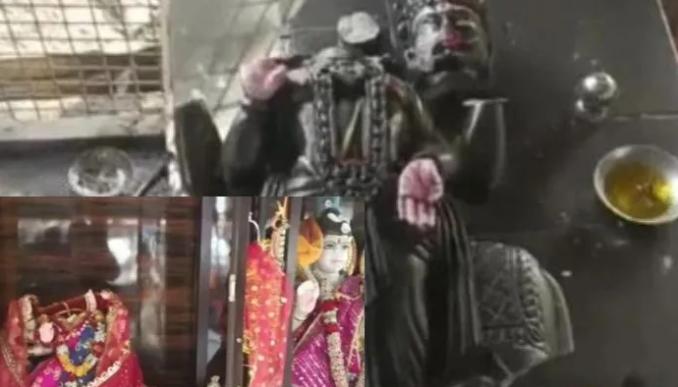
Case Summary
In Punjab's Ludhiana, an incident of vandalism occurred at a Hindu temple near the village of Sahnewal on 26th February night. The temple priest discovered the damage on Tuesday morning, finding 14 idols broken and the Shivalinga uprooted. The temple committee members were informed, who then reported the incident to the Sahnewal police station. Upon arrival at the temple, Pandit Bharat Kishore Pandey observed the broken idols, including those of Maa Durga and Shani Dev. As there were no CCTV cameras in the temple, police collected footage from nearby establishments. A case was registered under section 295 A.
Why it is Hate Crime ?
This case has been added to the tracker as a religiously motivated hate crime under the category- Attack on Hindu religious symbols. Under this two sub-categories have been chosen. The first is- Attack on Temples. In Hinduism, a temple is the abode of the Deity. The Deity in the Temple is consecrated, thereby, making it a real, breathing entity. Hindus believe that not just the Deity but the temple premises itself are sacred to Hindus since Hindus hold the faith that the entire Temple space is an amalgamation of the divine energy of the deity. Given the central significance of Temples in Hindu Dharma, any attack against a Hindu Temple or its peripheral premises is an attack on the faith itself and is born out of animosity towards the faith, of which, the Temple is a central tenet. Any manner of attack against a Temple and/or its premises would therefore be considered a religiously motivated hate crime. The second sub-category under which this case has been placed is- Desecration of Hindu religious symbols. Icons and symbols or a religious representation of a spiritual ideal are widely revered in Hinduism. Iconography is of vital significance in the Hindu milieu. It helps connect people’s spiritual beliefs with the real world. Iconography within the Hindu faith takes several shapes and forms. Murtis are of most significance to Hindus, to which daily rituals, prayers and offerings are done. Besides the murtis, there are several other symbols which have deep significance in the Hindu faith – the Om and Swastika for example. Since these Hindu religious symbols hold paramount importance in Hinduism, any desecration of symbols, icons, murtis, religious representations and manifestations, is driven by animosity towards the faith itself which manifests itself through these murtis, icons and symbols. Therefore, any desecration of these Hindu religious symbols and representations is considered religiously motivated hate crimes under this category. In this case, despite understanding that temples are centres of worship and sanctity for Hindus, the perpetrator vandalised the premises; broke 14 idols of Hindu gods and goddesses and uprooted the Shivling. It is important to mention here that though the last update was that the miscreants were unknown, regardless, the action stemmed out of hatred against Hinduism and resulted in the desecration of the sacred temples and would therefore be considered a religiously motivated hate crime


Case Status
Complaint registered


Perpetrators Details
Perpetrators
Others
Perpetrators Range
N/A
Perpetrators Gender
unknown
 Sources




