Hindu genocide downplayed as Bollywood actress mocks faith-based persecution of revered Hindu king and Hindu community
 Mumbai, Maharashtra, India
  17 February, 2025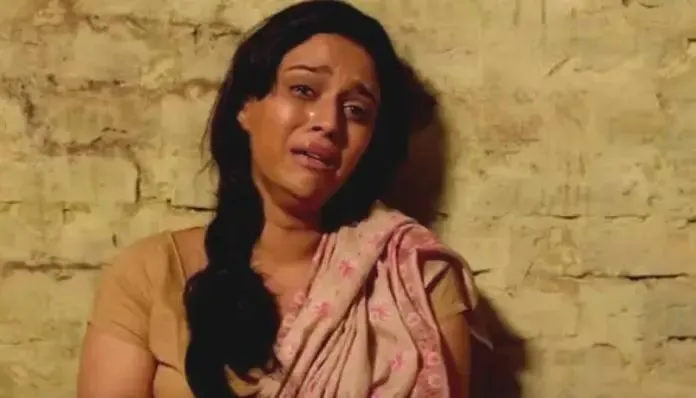
Case Summary
An atrocious remark targeting the revered Hindu king, Chhatrapati Sambhaji Maharaj, was made by Bollywood actress Swara Bhaskar. The actress downplayed the religious persecution endured by Sambhaji Maharaj at the hands of Aurangzeb, following his refusal to convert to Islam. This incident occurred after the release of the Bollywood film ‘Chaava’, which depicted the heroic life of Chhatrapati Sambhaji Maharaj and illustrated how he was cruelly tortured and killed by Aurangzeb for refusing to accept Islam. The film drew significant traction on social media, and Swara Bhaskar made insensitive and atrocious comments regarding the brutal torture and murder of Chhatrapati Sambhaji Maharaj. Her remarks were disseminated via her official X handle. On 19th February 2025, Swara Bhaskar wrote, “A society that is more enraged at the heavily embellished partly fictionalised filmy torture of Hindus from 500 years ago than they are at the horrendous death by stampede & mismanagement + then alleged JCB bulldozer handling of corpses – is a brain & soul-dead society. #IYKYK”. Following her tweet, she faced widespread criticism for disregarding the horrific torture and murder of a Hindu king who refused to convert to Islam and for attempting to whitewash and deny the crimes committed by Mughal emperors such as Aurangzeb. Shortly thereafter, Swara appeared to realise that her husband, Fahad Ahmad, who is a politician in Maharashtra, might suffer electoral consequences if she continued to make such insensitive comments about a Hindu king as revered as Sambhaji Maharaj. Subsequently, Swara issued an apology on her X handle on 21st February 2025. She wrote, “My tweet has generated much debate & avoidable misunderstanding. Without any doubt, I respect the brave legacy and contribution of Chhatrapati Shivaji Maharaj.. especially his ideas of social justice & respect for women. My limited point is that glorifying our history is great, but please don’t misuse the glory of the past to hide the mistakes & failures of present times. Historical understanding should always be used to unite people & not to divide and divert attention from current issues. If my earlier tweet has hurt any sentiments, that is regretted.. Like any other proud Indian, I am also proud of our history. Our history should unite us and give us strength to fight for a better and more inclusive future.”
Why it is Hate Crime ?
This case has been added to the tracker under the primary category- Hate Speech against Hindus. Within this, the subcategory selected is- Denial or mocking of genocide/large-scale persecution. Denial or mocking of genocide/large-scale persecution/ethnic cleansing refers to the act of denying or minimizing the fact of the ethnic cleansing and/or genocide and/or religious persecution of Hindus. This often involves denying the scale, mechanisms, religious intent, or even the occurrence of the ethnic cleansing and/or genocide and/or religious persecution of Hindus. Hate speech of this kind involves the dissemination of falsehoods that deny or distort established historical facts or mock the suffering of Hindus by saying that they deserved the persecution, motivated by Hinduphobia. Denying such atrocities is not only about the denial of facts or rewriting/revising history, but it also delegitimises the religiously motivated persecution of Hindus, the religious hate/motivation/animosity that led to the persecution, and dehumanises Hindus as a religious group. Such denial of ethnic cleansing and/or genocide and/or religious persecution of Hindus not only denies the suffering but also paves the way for future/present atrocities and hate speech, inciting prejudice and violence against Hindus. It also provides a justification for violence by delinking religious animosity from religiously motivated crimes committed against Hindus. Since such denial and/or mocking of genocide/ethnic cleansing/atrocities motivated by religious animosity leads to present and future ramifications of creating more hate speech, violence, dehumanisation and delegitimisation, it would be considered hate speech under this category. The other subcategory selected is- Mocking/denigrating Hindu leaders. Hate speech is defined as any speech, gesture, conduct, writing, or display that is prejudicial against a specific individual and/or group of people, which is leading to or may lead to violence, prejudicial action or hate against that individual and/or group. Religious leaders are often seen as representatives of the community, especially, the community’s religious faith and beliefs. Mocking or denigrating a religious leader specifically owing to his religious identity and/or the religious rituals he observes can be considered hate speech because the motivating factor of the speech is animosity and/or dislike for what he represents – the religious beliefs and faith of the community. It is important to note that mere insulting words against an individual do not constitute hate speech. It is entirely possible that insulting words are used for an individual, however, the specific speech is not the result of religious hate and/or animosity towards the professed faith of the religious leader, but the individual himself. For the speech to be considered hate speech, the speech itself or the motivating factor behind the speech has to be religious in nature. Such speech which denigrates Hindu religious leaders specifically owing to animosity towards the faith they profess and the community faith they represent will be treated as hate speech under this category. This incident exemplifies religiously motivated hate speech directed against Hindus. Firstly, Swara Bhaskar openly mocked and denied the historic persecution endured by the Hindu king, Chhatrapati Sambhaji Maharaj, by disparaging the film "Chhava" and dismissing its depiction as fictionalised. Her remarks trivialised the atrocity of Sambhaji Maharaj's torture and murder by Aurangzeb for refusing to convert to Islam, and in doing so, she also belittled the broader persecution faced by Hindus during periods of Islamic rule. Such deliberate denial of well-documented atrocities and the attempted whitewashing of Hindu genocide are driven by religiously motivated animosity. This conduct not only showcases pronounced bias but also satisfies the criteria of hate speech and hate crime based on its intent to injure and suppress the legitimate historical suffering of the Hindu community. By ridiculing and undermining the genocide and persecution endured by Hindus, Swara Bhaskar effectively mocked one of the most essential and revered figures in Hindu history, Chhatrapati Sambhaji Maharaj. Sambhaji Maharaj, the son of Chhatrapati Shivaji Maharaj and the second ruler of the Maratha Empire, is deeply revered among Hindus for his unwavering bravery, steadfast commitment to his faith, and his refusal to renounce Hinduism even under horrific torture, which ultimately led to his martyrdom at the hands of Aurangzeb. This steadfastness in defending his faith despite facing brutal persecution is precisely why Sambhaji Maharaj holds such a revered place in Hindu consciousness. The deliberate attempt to mock such a highly respected figure by Swara Bhaskar unmistakably demonstrates the hostility she harbours towards Hindus, Hinduism, and their revered Hindu leaders and kings. This act constitutes religiously motivated hate speech. Given that this case meets the parameters of religiously motivated hate speech—namely, the denial of religious-based persecution of a prominent Hindu king for refusing to convert to Islam, along with the dismissal of the large-scale persecution of Hindus under Islamic rulers—it is clear that the perpetrator, Swara, intentionally sought to whitewash history and hurt the sentiments of the Hindu community. On this basis, this incident is being duly recorded in the hate crime database.


Case Status
Unknown


Perpetrators Details
Perpetrators
Others
Perpetrators Range
One Person
Perpetrators Gender
female
 Sources




