Sacred Hindu epic Ramayana insulted through sexualised performances and dances in Ganjam, Odisha
 Ganjam, Odisha, India
  15 November, 2025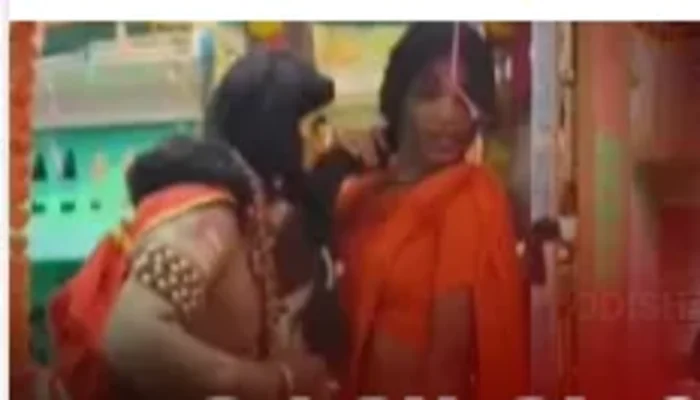
Case Summary
Ramayana stage play in Maulabhanja village in Ganjam district, Odisha, featured obscene and disrespectful behaviour by the actors, leaving locals infuriated. During the performance, particularly in the Sita Haran scene, villagers witnessed an actor appearing partially undressed and interacting with a female performer in a very sexualised way. The inclusion of a large number of item dancers further added to the discomfort of those who expected a respectful portrayal of the revered Hindu epic. Many villagers stated that the event disregarded cultural and religious norms and their expectations of a dignified performance. Video clips from the play circulated online, causing additional concern within the community, as several portions were considered unsuitable for general viewing. No clarification was given from the performers or organisers as of writing this report. People in the village said that earlier, such plays had provided moral learning and had been performed with a sense of devotion, and they felt that this incident undermined that tradition. They feared that if similar performances continued without oversight, it could negatively influence the social environment. Local artists and journalists echoed the community’s concerns, noting that such changes in stage practices risked harming the district’s cultural reputation. Villagers consequently sought strict action to address what they saw as a breach of cultural responsibility.
Why it is Hate Crime ?
This case has been added to the tracker under the primary category- Hate Speech against Hindus. Within this, the subcategory selected is- Anti-Hindu slurs, mocking faith. Anti-Hindu slurs and the deliberate mocking of the Hindu faith owing to religious animosity involve the usage of derogatory terms, stereotypes, or offensive references to religious practices, symbols, or figures. One of the common anti-Hindu slurs used against Hindus is “cow-worshipper” and “cow piss drinker”. The intention of using this term is to demean and mock Hindus as a group and their religious beliefs since Hindus consider the cow holy. Additionally, some symbols and the slurs attached to them have a historical context that exacerbates the insult, hate, stereotyping, dehumanisation and oppression against Hindus. Cow worship has been used for centuries to denigrate Hindus, insult their faith and oppress Hindus specifically as a religious group. There has been overwhelming documentation about how cow slaughter has been used to persecute Hindus with cow meat being thrown in temples and places of worship. There has also been overwhelming documentation where cow meat (beef) has been force-fed to Hindus to either forcefully convert them to Islam or denigrate their faith. Apart from cow worship, the Swastika – which holds deep religious significance for the Hindus – has also been misinterpreted and distorted to use as a slur against Hindus. Similarly, the worship of the Shivling has been used by supremacist ideologies and religions to denigrate Hindus owing to religious animosity. Such slurs and denigration stem out of inherent animosity and hate towards Hindus and their faith, therefore, it is categorised as hate speech targeted at Hindus specifically owing to their religious identity. This case has been added to the tracker because the staging of the Ramayana in this manner constituted a direct mockery of Hindu faith and its sacred traditions. The Ramayana is a revered Hindu epic that holds deep religious, cultural, and moral significance for Hindus. Any public portrayal of its characters carries an expectation of dignity and devotion. Instead of respecting this, the performers introduced obscene, sexualised, and degrading elements into the play, particularly during the Sita Haran scene, where an actor appeared partially undressed and interacted with a female performer in an inappropriate manner. This deliberate distortion of sacred narrative material undermined the sanctity of Hindu beliefs and sentiments. Such acts are not creative liberties but clear attacks on Hindu religious values. Sexualising sacred characters and inserting item dancers into a devotional narrative turns a revered tradition into an object of ridicule. This crosses the line from poor artistic judgment into intentional humiliation of Hindu heritage. Performing these actions in front of a Hindu audience, who treat epics like Ramayana and Mahabharata with reverence and moral seriousness and uphold the epics as sacred, further intensifies the offence, as it challenges and insults their faith. Because the actions in the performance were aimed at degrading a sacred Hindu text and portraying revered figures in obscene ways, the incident qualifies as a targeted act of mocking the Hindu faith and has been documented accordingly. Disclaimer: Since none of the media sources covering this case has specified the exact date when the incident occurred. Therefore, for documentation purposes, we have recorded the date based on when the incident was reported in the media: 16 November 2025.


Case Status
Unknown


Perpetrators Details
Perpetrators
Unknown
Perpetrators Range
Unknown
Perpetrators Gender
unknown
 Sources




