Anti-Hindu hate speech: Muslim politician makes objectionable remark against chanting of revered Hindu slogan
 India
India  3 May, 2023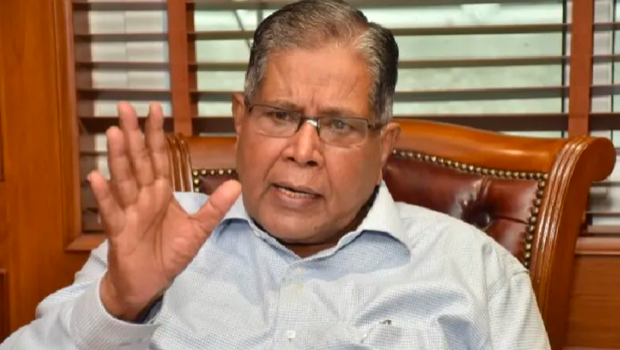
Case Summary
An anti-Hindu hate speech was made by Congress leader and former Union Minority Minister K Rahman Khan. According to media reports, the accused objected to Prime Minister Narendra Modi's call to voters to say "Jai Bajrangbali" while casting their votes. Khan claimed that such a slogan would create an "atmosphere of fear" among minorities. The accused expressed concern over the potential impact on minorities and urged the Election Commission to take notice of the situation. Khan highlighted instances of supposed lynching and alleged forced chanting of "Jai Shri Ram", another Hindu slogan, claiming that such actions contribute to an intimidating atmosphere against minorities. Notably, the Congress Party in its Karnataka manifesto had pledged to ban Bajrang Dal, a Hindu religious organisation, leading to protests by the group across the country.
Why it is Hate Crime ?
This case has been added to the tracker under the primary category- Hate Speech against Hindus. The subcategory selected is- Anti-Hindu slurs, mocking faith. Anti-Hindu slurs and the deliberate mocking of the Hindu faith owing to religious animosity involve the usage of derogatory terms, stereotypes, or offensive references to religious practices, symbols, or figures. One of the common anti-Hindu slurs used against Hindus is “cow-worshipper” and “cow piss drinker”. The intention of using this term is to demean and mock Hindus as a group and their religious beliefs since Hindus consider the cow holy. Additionally, some symbols and the slurs attached to them have a historical context that exacerbates the insult, hate, stereotyping, dehumanisation and oppression against Hindus. Cow worship has been used for centuries to denigrate Hindus, insult their faith and oppress Hindus specifically as a religious group. There has been overwhelming documentation about how cow slaughter has been used to persecute Hindus with cow meat being thrown in temples and places of worship. There has also been overwhelming documentation where cow meat (beef) has been force-fed to Hindus to either forcefully convert them to Islam or denigrate their faith. Apart from cow worship, the Swastika – which holds deep religious significance for the Hindus – has also been misinterpreted and distorted to use as a slur against Hindus. Similarly, the worship of the Shivling has been used by supremacist ideologies and religions to denigrate Hindus owing to religious animosity. Such slurs and denigration stem out of inherent animosity and hate towards Hindus and their faith, therefore, it is categorised as hate speech targeted at Hindus specifically owing to their religious identity. The other subcategory selected is- Anti-Hindu subversion and prejudice. The tertiary category selected is- Anti-Hindu fake news or downplaying. Hate speech is defined as any speech, gesture, conduct, writing, or display that is prejudicial against a specific individual and/or group of people, which is leading to or may lead to violence, prejudicial action or hate against that individual and/or group. Media plays a specific and overarching reach in perpetuating prejudicial attitudes towards a community owing to unfair, untrue coverage and/or misrepresentation/misinterpretation, selective coverage and/or omission of facts of/pertaining to issues affecting a specific religious group. This type of bias can dehumanise the victim group, making it easier for others to justify harmful actions against them, which aligns with the objectives of hate speech laws aimed at preventing such harm. It is often observed that the media takes a prejudicial stand against the Hindu community driven by their need to shield the aggressor community which happens to be a numeric minority, however, is the one perpetrating violence against Hindus. For example, the media is often quick to contextualise religiously motivated crimes against Hindus, omit or misrepresent facts that point towards religiously motivated hate crimes, justify and/or downplay religiously motivated hate crimes or simply present fake news to stereotype Hindus. Such media bias leads to the denial of persecution and is often used to dehumanise Hindus, leading to justification for violence against them. For example, the media covered several fake allegations of Hindus targeting Muslims and forcing them to chant Jai Shree Ram. Most of these cases were proved false and fabricated after police investigation. These fake news reports were subsequently never retracted or clarified. Such fake news led to the justification of violence and dehumanisation of Hindus based on the argument that since Hindus targeted Muslims and forced them to chant Jai Shree Ram, the dehumanisation of Hindus and violence against them was par for the course and merely a retaliation. Such media bias leads to prejudicial portrayal of Hindus and offers a justification for violence against them and therefore, is considered hate speech under this category. This case represents a clear instance of anti-Hindu hate speech targeting Hindu religious slogans and the Hindu faith. The slogan "Jai Bajrangbali" holds deep religious significance for Hindus, as it is a devotional salute to Lord Hanuman, a revered deity symbolising strength, courage, and unwavering devotion to righteousness. Any claim that invoking this sacred slogan creates supposed fear among minorities is a transparent attempt to malign a religious expression and incite division. The fact that a Hindu simply expressing their faith and devotion is viewed by the accused as a cause of fear for minorities exposes the accused’s religious animosity and clear bias against the Hindu community, making it a religiously motivated hate speech. The accused further perpetuated false propaganda by alleging that Muslims were being lynched and forcibly made to chant "Jai Shri Ram", another profound Hindu religious slogan. This constitutes a blatant example of hate speech deliberately designed to vilify Hindus. Such allegations have frequently been proven baseless and fabricated through police investigations and credible media reports. Despite this, the accused propagated this fabricated narrative, painting Hindus as oppressors and thereby making this a distinct case of anti-Hindu hate speech. Such propaganda is dangerous as it maligns the Hindu community in society, leading to discrimination and prejudice against them, thereby aggravating the seriousness of this crime. It is important to recognise that the slogan "Jai Shri Ram" is a sacred chant honouring Lord Rama, who embodies the virtues of righteousness and justice in Hinduism. For millions, it is not merely a slogan but a spiritual chant symbolising the victory of good over evil, moral integrity, and devotion. Any attempt to degrade or denigrate such a revered chant is a clear act of religious hostility towards Hindus. These slogans are vital expressions of faith that inspire millions worldwide; attacking or belittling them amounts to attacking the faith itself and represents a dangerous form of religious hatred and hate speech. Given that this case meets the parameters of a religiously motivated hate speech, it is being added to the hate crime database of the Hinduphobia Tracker. Disclaimer: The Hinduphobia Tracker records the date of an incident based on when the crime actually occurs, rather than the date it is reported in the media. However, in this particular case, the media reports have not specified the exact date of the crime. Therefore, for purposes of documentation only, the Hinduphobia Tracker is using the media report date, which is 4th May 2023, as the indicative date of the incident. This approach is solely for documentation purposes and does not imply the exact crime occurrence date.


Case Status
Unknown


Perpetrators Details
Perpetrators
Muslim Extremists
Perpetrators Range
One Person
Perpetrators Gender
male
 Sources




