Muslim man pretends to be a Hindu to become a priest in Shiva temple
 Bijnor, Uttar Pradesh, India
  9 September, 2024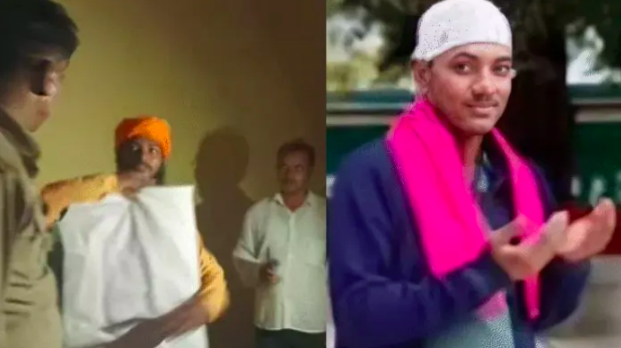
Case Summary
On September 10, 2024, a Muslim man, Sanwar Hussain, was apprehended in Bijnor, Uttar Pradesh, after locals discovered he had been posing as a Hindu priest in a Shiva temple in the Tiperjot village for the past six months. Despite claiming to be a Hindu convert and adopting the name "Shivamnath," his Aadhar card revealed his true identity as a Muslim (Afsar Ali was his father's name listed on the card) from Uttarakhand. Locals grew suspicious of his behaviour and, upon checking his phone, found images of him in Islamic attire, including one of him at a shrine wearing a skull cap and praying. Additionally, it was revealed that Hussain had previously masqueraded as a priest in several temples in the Nagarpur Khadak Sain and Nagina areas of Bijnor, where he also went by the title "Maharaj." His consistent use of a Hindu identity to perform priestly duties raised questions about his motives and potential fraud. Following the villagers' discovery of his deception, they alerted the local police, who took Hussain into custody for questioning. In his defence, Hussain claimed he had converted to Hinduism in 2018 through a process known as "Ghar wapsi" but failed to provide any concrete evidence to support his assertion.
Why it is Hate Crime ?
This case has been added to the hate tacker under the prime category- Attack on Hindu religious symbols and within this, the sub-category under which this case has been placed is- Breaking rules of place of worship- Sanatan Dharma is not a religion of one book, which is to say that while it has religious scriptures that form the central tenets of the faith, there are several traditions followed through thousands of years, mostly passed from generation to generation orally. One of these oral traditions or written traditions is the rules of specific temples. Certain temples have rules which are traditional rules, dependent on the worship of the presiding deities. These rules and traditions have been followed for thousands of years whether they find scriptural mention or not. Such traditions are based on the nature and rules of worship of the presiding deity of that temple. Any non-compliance of these traditions owing to animosity towards the faith or for the sake of activism stems not only from the lack of faith in the presiding deity but also disregard for the faith of the devotees of that deity/temple and implicit bias against the faith, the tradition and the deity itself. Since these specific traditions are central to the faith of the devotees of that specific temple and presiding deity, any non-compliance with these traditional rules would be considered a religiously motivated hate crime. This case involving Sanwar Hussain posing as a Hindu priest in a Shiva temple is a religiously motivated hate crime, as it involves a clear violation of sacred religious practices and the sanctity of a Hindu temple. By deceitfully adopting a Hindu identity and performing priestly duties, Hussain broke the fundamental rules of the temple, which are governed by specific rituals and codes of conduct. Temples are revered spaces within Hinduism, and the position of a priest holds great spiritual significance, requiring a genuine connection to the faith and adherence to religious norms. Hussain's actions, especially his fraudulent claim of being a Hindu priest, amounted to a deliberate misrepresentation, aimed at gaining access to a sacred space and community under false pretenses. This constitutes a severe breach of trust and can be seen as an affront to the religious sentiments of the Hindu devotees who revered the temple and its rituals. The fact that he concealed his true identity for months and manipulated the religious environment indicates a deeper intention to disrespect the Hindu faith, making this case a clear example of a religiously motivated hate crime.


Case Status
Arrested


Perpetrators Details
Perpetrators
Muslim Extremists
Perpetrators Range
One Person
Perpetrators Gender
male
 Sources




