Hindu temple vandalised, Lord Hanuman idol uprooted and thrown down a cliff in Kohima, Nagaland
 Kohima, Nagaland, India
 23 November, 2026
Case Summary
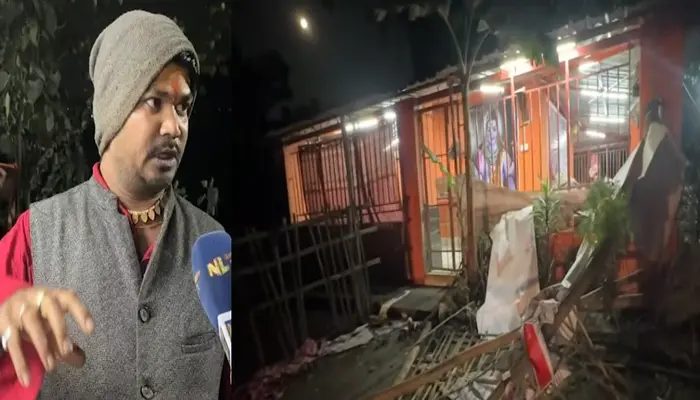
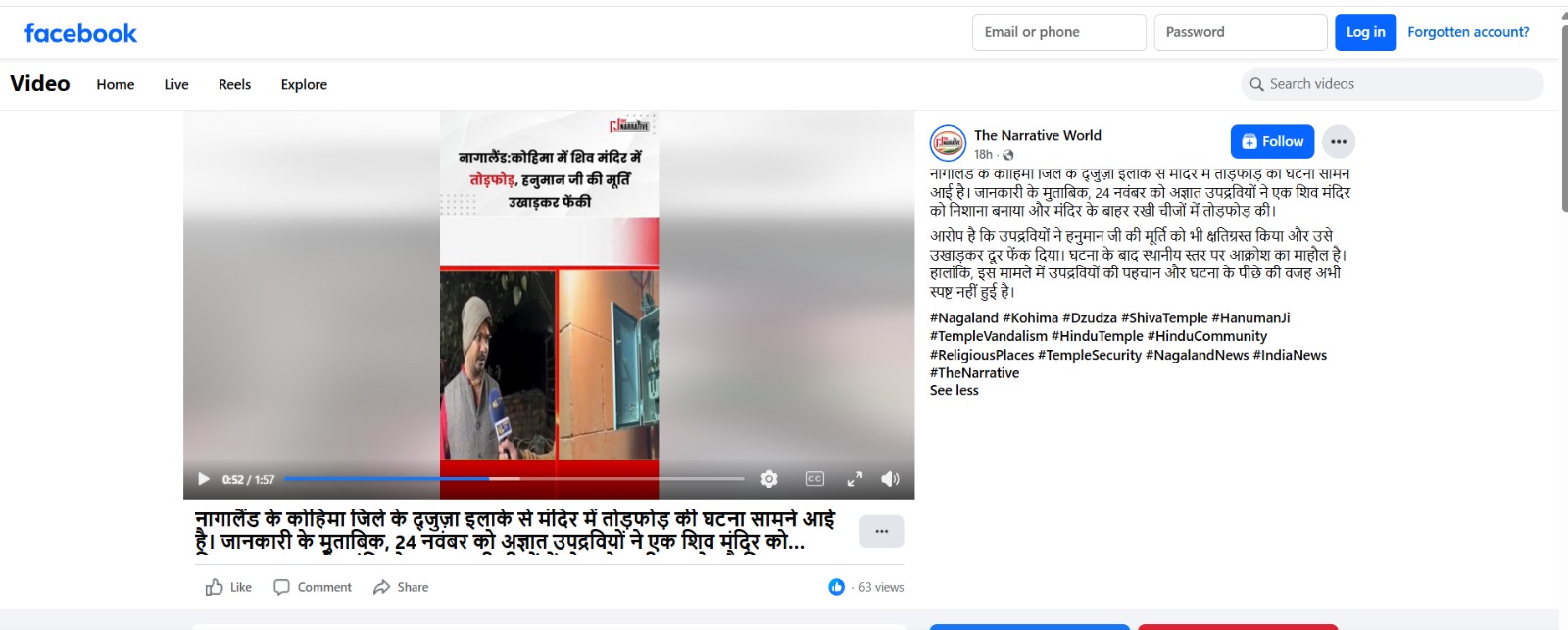
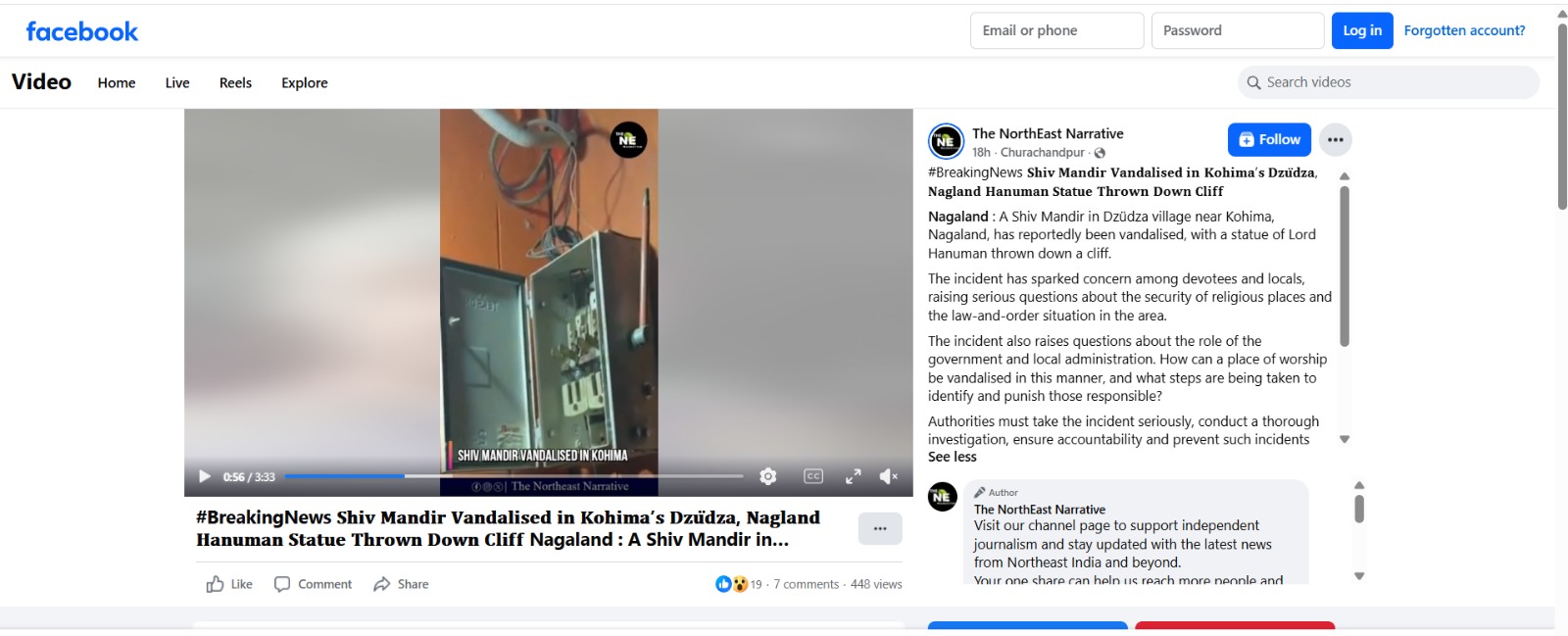
A Shiva temple in the Dzüdza (Dzudza) area of Kohima, Nagaland, was vandalised by a few unidentified miscreants. The perpetrators also uprooted a statue of Lord Hanuman and threw it down a cliff overnight between 24 November 2026 and 25 November 2026. According to reports, the temple priest stated that he had closed the temple premises at 7:00 PM on 24 November 2026 and returned to his room. When he returned to the temple at around 5:30 AM on 25 November, he discovered that the exterior compound had been ransacked. The vandalism was concentrated entirely outside the main sanctum, while the interior of the shrine remained undisturbed. The perpetrators had torn down curtains, smashed decorative hangings (jhalar) and knocked over a large water storage drum used for worship and community feasts. Footage from the site also showed collapsed tin sheets, broken wooden supports, scattered garlands and ritual cloths, and a tampered electrical panel. In addition, an idol of Lord Hanuman situated outside the main temple structure had been uprooted and thrown down an adjacent slope or cliff. At the time of the initial reports, the identities of those responsible and their motive remained unknown. The priest stated that a formal police complaint had not yet been lodged because the temple caretakers had first informed the local village elders and youth committee leaders. Since the temple fell within the village jurisdiction, the caretakers were waiting for guidance from the village leaders and youth body before proceeding with formal police action.
Case Images
Why it is Hate Crime ?
This incident has been added to the tracker under the primary category: Attack on Hindu religious representations. Within it, the subcategory selected is: Desecration of Hindu religious symbols. Icons and symbols or a religious representation of a spiritual ideal are widely revered in Hinduism. Iconography is of vital significance in the Hindu milieu. It helps connect people’s spiritual beliefs with the real world. Iconography within the Hindu faith takes several shapes and forms. Murtis are of most significance to Hindus, to which daily rituals, prayers and offerings are done. Besides the murtis, there are several other symbols which have deep significance in the Hindu faith – the Om and Swastika for example. Since these Hindu religious symbols hold paramount importance in Hinduism, any desecration of symbols, icons, murtis, religious representations and manifestations, is driven by animosity towards the faith itself which manifests itself through these murtis, icons and symbols. Therefore, any desecration of these Hindu religious symbols and representations is considered religiously motivated hate crimes under this category. The other subcategory selected is: Attack on Temples. In Hinduism, a temple is the abode of the Deity. The Deity in the Temple is consecrated, thereby, making it a real, breathing entity. Hindus believe that not just the Deity but the temple premises itself are sacred to Hindus since Hindus hold the faith that the entire Temple space is an amalgamation of the divine energy of the deity. Given the central significance of Temples in Hindu Dharma, any attack against a Hindu Temple or its peripheral premises is an attack on the faith itself and is born out of animosity towards the faith, of which, the Temple is a central tenet. Any manner of attack against a Temple and/or its premises would therefore be considered a religiously motivated hate crime. The incident constituted a targeted act of vandalism against a Hindu place of worship and its religious representations. The Shiva temple was not merely a physical structure but a sacred space where Hindu devotees gathered for worship and community activities. The deliberate destruction of its external religious and functional installations, including curtains, decorative hangings (jhalar), garlands, ritual cloths and the water storage drum used for worship and community feasts, directly disrupted the temple's religious environment and its associated activities. The damage extended beyond ordinary property destruction, as the perpetrators also uprooted and threw down an idol of Lord Hanuman situated outside the main temple structure. Lord Hanuman held a deeply revered position in Hinduism and was worshipped as a symbol of strength, devotion, courage, loyalty and selfless service. He was regarded as an ardent devotee of Lord Rama and occupied an important place in Hindu religious traditions, scriptures and devotional practices. Idols of Lord Hanuman were worshipped in temples and shrines, with devotees offering prayers to seek his protection, blessings, strength and guidance. Such idols were not merely decorative or artistic objects but sacred representations of the deity and focal points of religious devotion. Uprooting the idol of Lord Hanuman from its place of worship and throwing it down an adjacent slope or cliff therefore constituted a desecration of a revered Hindu religious representation and directly affected the religious sentiments of devotees. The act therefore involved not only damage to temple property but also the physical desecration of objects carrying religious significance. The destruction also extended to several materials and installations associated with Hindu religious practices at the temple. The perpetrators tore down curtains and decorative hangings (jhalar), scattered garlands and ritual cloths, and damaged other items maintained within the temple premises for religious activities. These materials were not merely decorative articles but formed part of the temple's devotional environment and arrangements for worship. The large water storage drum, which was used during religious activities and community feasts, was also knocked over. The destruction of these materials disrupted the temple's religious arrangements and affected the space maintained by devotees for worship and community observances. By targeting items directly associated with the temple's religious functioning, the vandalism extended beyond ordinary property damage and affected the religious character and sanctity of the premises. The incident constituted an attack on a Hindu place of worship, as the perpetrators vandalised religious materials and installations within the temple premises and desecrated a sacred representation of a Hindu deity. The destruction directly targeted the religious environment of the Shiva temple and interfered with its functioning as a place of worship. The vandalism therefore amounted to an attack on Hindu religious sentiments and representations. Although the perpetrators' identity remained unknown, such actions stem from religious animosity towards the Hindu faith, therefore this case has been added to the hate crime database of the Hinduphobia tracker.


Case Status
Complaint not filed


Perpetrators Details
Perpetrators
Unknown
Perpetrators Range
Unknown
Perpetrators Gender
unknown
 Sources





