Hindu faith targeted; Muslim Ambedkarite man mocks Hindu deities, saints and religious practices through Facebook posts in Gopalganj, Bihar
 Gopalganj, Bihar, India
 18 November, 2026
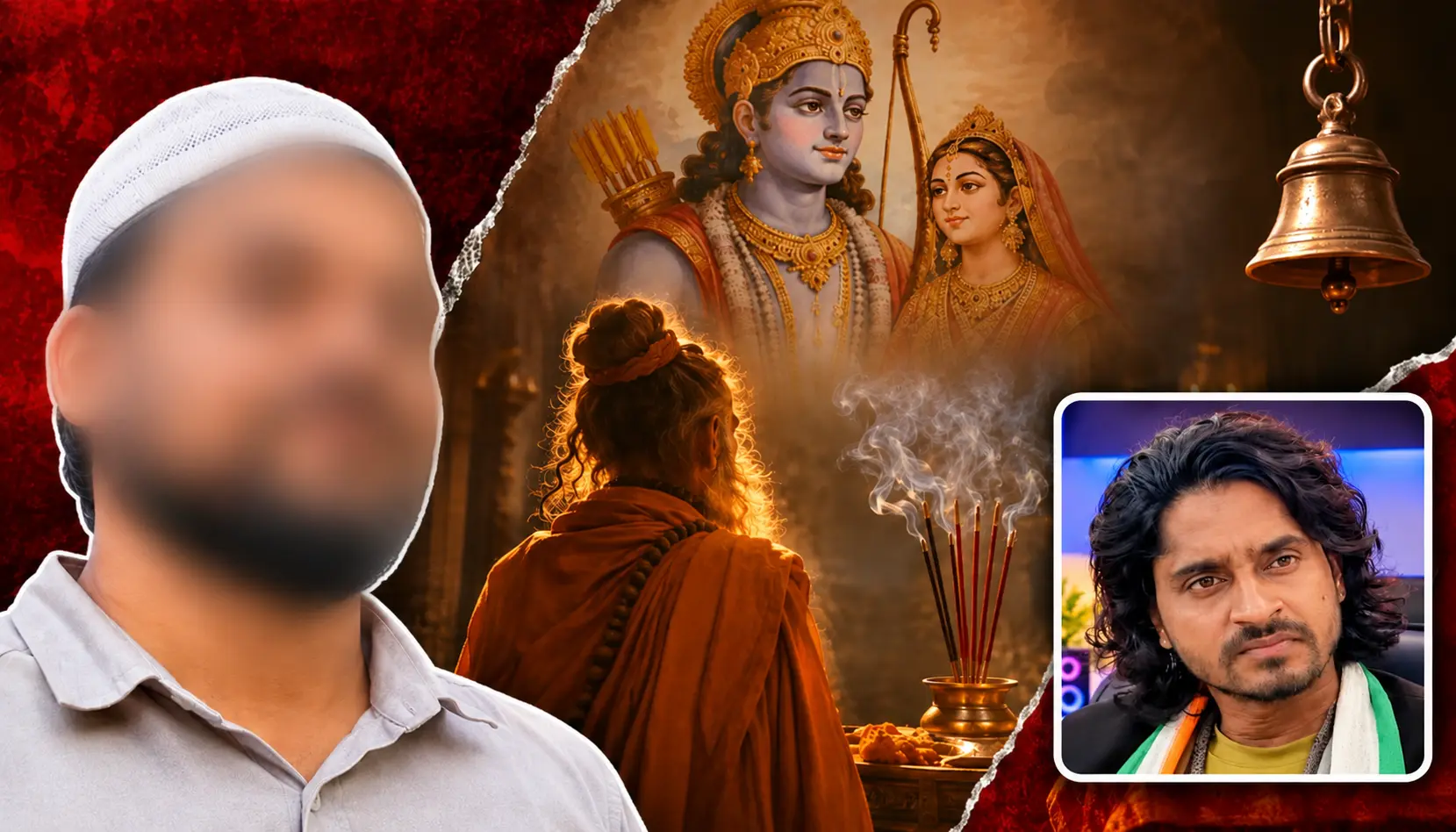
Case Summary
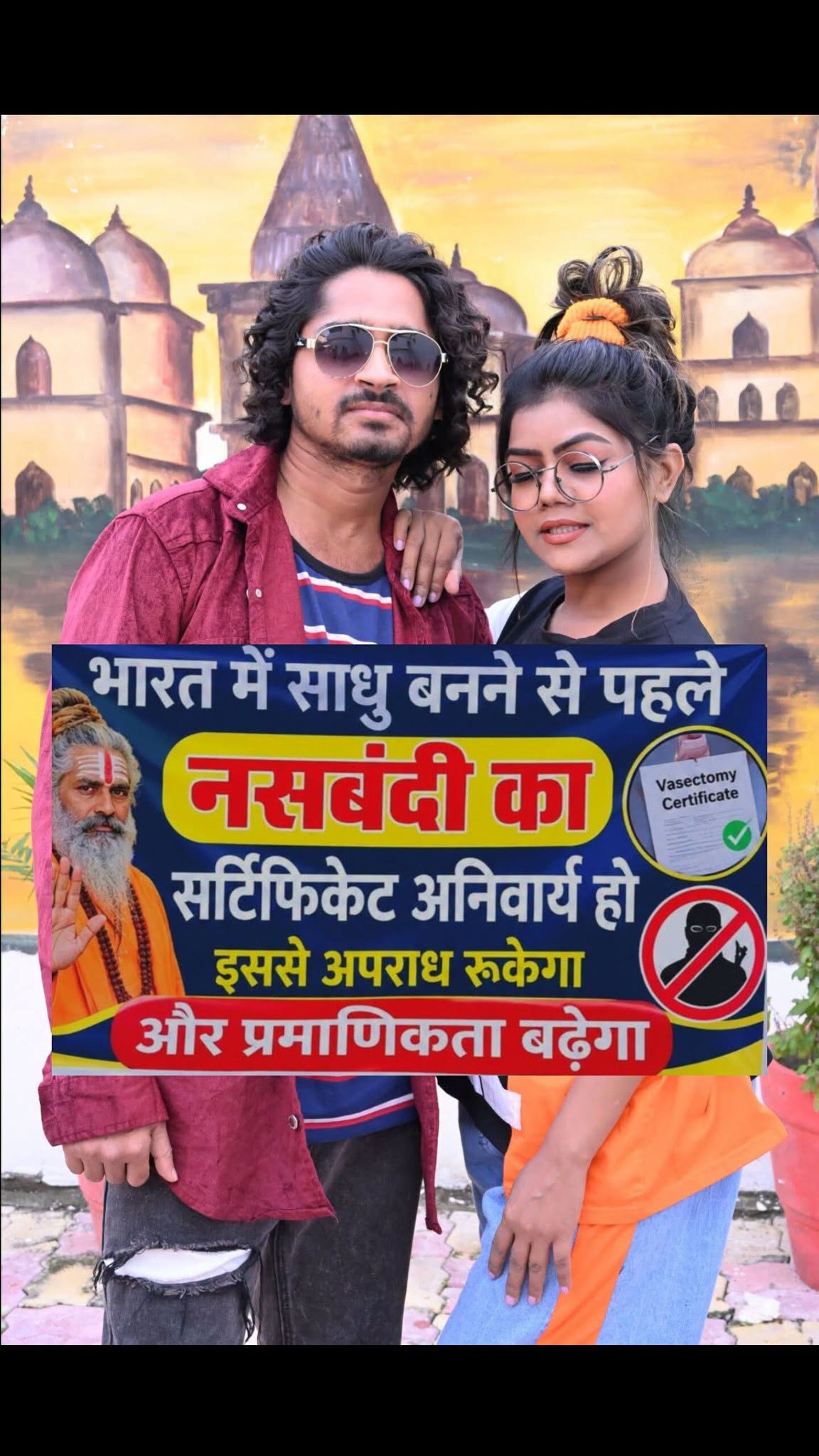
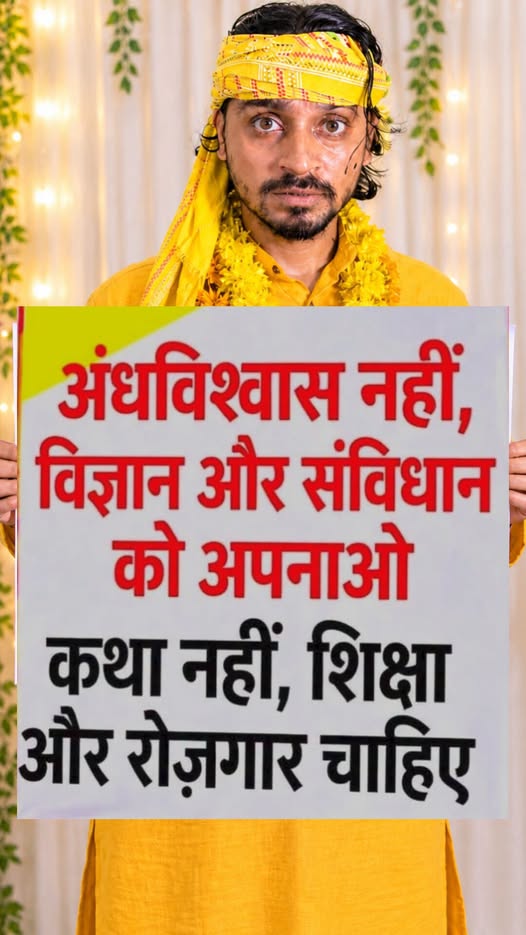
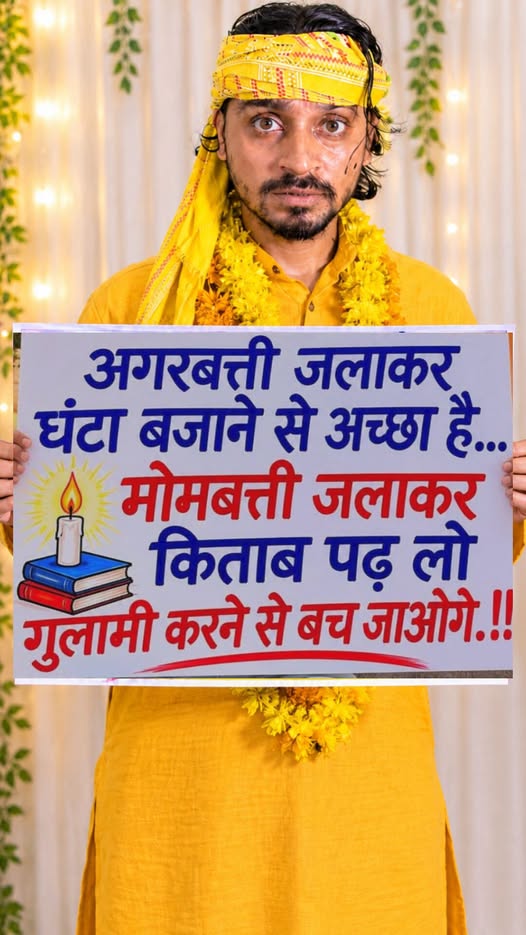
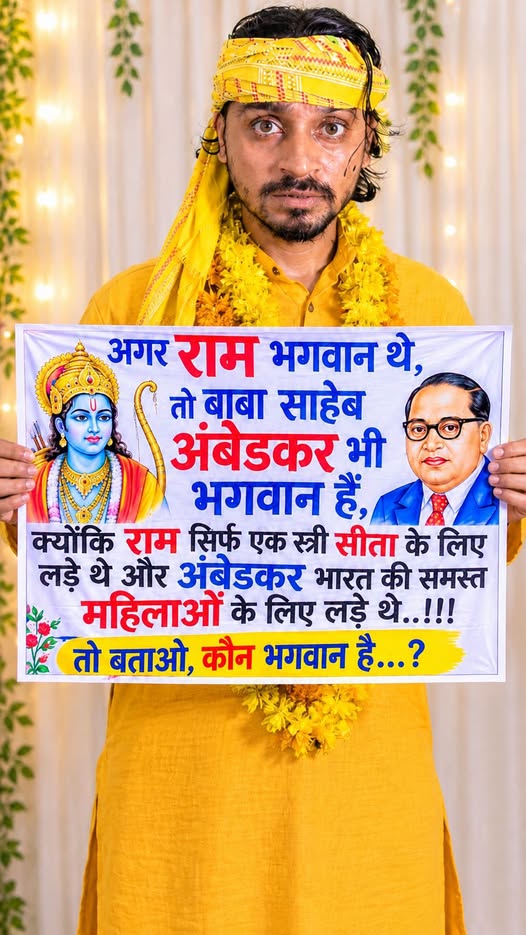
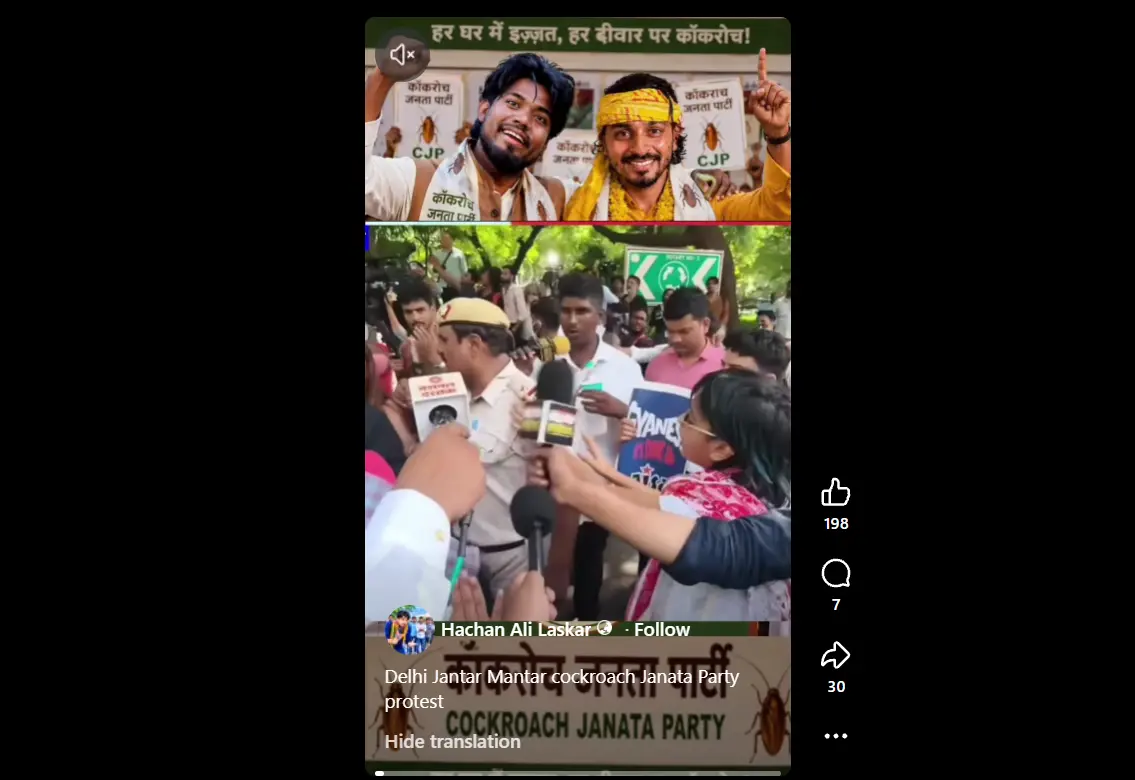
In Gopalganj, Bihar, a Muslim man, Hachan Ali Laskar, repeatedly posted content denigrating Hindu saints, deities, religious beliefs and devotional practices on his public Facebook page. Laskar, who identified as an Ambedkarite and supported the CJP (Cockroach Janata Party), presented himself as a comedian on the platform. The Hinduphobia Tracker investigated Laskar’s Facebook account, which had approximately 581,000 followers, and found multiple posts mocking Hindu religious traditions. On 22 November 2026, in one post, he shared an image of a Hindu sadhu and suggested that a vasectomy certificate should be made compulsory for anyone seeking to become a Hindu saint (sadhu) in India. He added that this would prevent crimes and increase authenticity. The post linked the Hindu ascetic tradition with criminal conduct and proposed sterilisation as a condition for becoming a sadhu. In another post on 21 November 2026, Laskar shared a message targeting Hinduism, stating, “Do not follow superstition; adopt science and the Constitution. We need education and employment, not religious discourses.” In another post on 21 November 2026, he also shared a message mockingly targeting Hindu traditions of lighting incense sticks and ringing bells during prayers. He wrote, “Rather than lighting incense sticks and ringing bells, light a candle and read a book; you will avoid slavery.” Both posts portrayed Hindu religious discourse and customary forms of worship, including lighting incense and ringing bells, as superstition or enslavement. In a further post on 19 November 2026, Laskar mocked Lord Ram. He compared Lord Ram with Dr B.R. Ambedkar, mockingly stating, “If Lord Ram was God, then Babasaheb Ambedkar is also God.” He further stated that Lord Ram had fought only for a woman named Sita, whereas Ambedkar had fought for all women in India, and questioned who should be regarded as God. At the time of writing this report, no police action had been taken against the perpetrator.
Case Images

Why it is Hate Crime ?
The primary category selected for this case is: Hate speech against Hindus. The subcategory selected is: Anti-Hindu slurs, mocking faith. Anti-Hindu slurs and the deliberate mocking of the Hindu faith owing to religious animosity involve the usage of derogatory terms, stereotypes, or offensive references to religious practices, symbols, or figures. One of the common anti-Hindu slurs used against Hindus is “cow-worshipper” and “cow piss drinker”. The intention of using this term is to demean and mock Hindus as a group and their religious beliefs since Hindus consider the cow holy. Additionally, some symbols and the slurs attached to them have a historical context that exacerbates the insult, hate, stereotyping, dehumanisation and oppression against Hindus. Cow worship has been used for centuries to denigrate Hindus, insult their faith and oppress Hindus specifically as a religious group. There has been overwhelming documentation about how cow slaughter has been used to persecute Hindus with cow meat being thrown in temples and places of worship. There has also been overwhelming documentation where cow meat (beef) has been force-fed to Hindus to either forcefully convert them to Islam or denigrate their faith. Apart from cow worship, the Swastika – which holds deep religious significance for the Hindus – has also been misinterpreted and distorted to use as a slur against Hindus. Similarly, the worship of the Shivling has been used by supremacist ideologies and religions to denigrate Hindus owing to religious animosity. Such slurs and denigration stem out of inherent animosity and hate towards Hindus and their faith, therefore, it is categorised as hate speech targeted at Hindus specifically owing to their religious identity. The other subcategory selected is: Mocking/denigrating Hindu leaders. Hate speech is defined as any speech, gesture, conduct, writing, or display that is prejudicial against a specific individual and/or group of people, which is leading to or may lead to violence, prejudicial action or hate against that individual and/or group. Religious leaders are often seen as representatives of the community, especially, the community’s religious faith and beliefs. Mocking or denigrating a religious leader specifically owing to his religious identity and/or the religious rituals he observes can be considered hate speech because the motivating factor of the speech is animosity and/or dislike for what he represents – the religious beliefs and faith of the community. It is important to note that mere insulting words against an individual do not constitute hate speech. It is entirely possible that insulting words are used for an individual, however, the specific speech is not the result of religious hate and/or animosity towards the professed faith of the religious leader, but the individual himself. For the speech to be considered hate speech, the speech itself or the motivating factor behind the speech has to be religious in nature. Such speech which denigrates Hindu religious leaders specifically owing to animosity towards the faith they profess and the community faith they represent will be treated as hate speech under this category. This incident is a clear example of a religiously driven hate crime because the perpetrator denigrated Hindu saints, deities and religious practices on social media. Hindu saints (sadhus) hold a revered position in Sanatan Dharma. They are renunciates who withdraw from worldly attachments and dedicate their lives to spiritual discipline, self-realisation, religious study and the pursuit of moksha (liberation). Through their teachings, practices and guidance, they preserve and transmit Hindu spiritual knowledge, while the institution of sannyasa (renunciation) remains deeply rooted in Hindu scriptures and traditions. By suggesting that Hindu sadhus should be subjected to compulsory sterilisation to reduce crimes and improve their authenticity, the perpetrator sought to associate Hindu ascetics with criminality, casting suspicion on an entire religious institution and insinuating that its practitioners were inauthentic or unworthy of reverence. The remark not only demeaned those who had dedicated their lives to spiritual pursuits but also ridiculed a sacred Hindu tradition by portraying sterilisation as a means of distinguishing genuine saints from supposedly fraudulent ones, thereby reflecting hostility towards the Hindu faith and its revered saints. Hindu kathas (religious storytelling and discourses) are an important medium of religious education, devotion and the transmission of sacred knowledge. Through narrations drawn from the Ramayana, Mahabharata, Bhagavata Purana and other Hindu scriptures, devotees learn about the lives and teachings of deities, the principles of dharma (righteousness), the consequences of righteous and unrighteous conduct, and the spiritual foundations of Sanatan Dharma. Ram Katha and Bhagavata Katha, in particular, hold longstanding significance in Hindu devotional traditions, bringing communities together through collective listening, reflection and worship, while preserving sacred narratives and passing them down through generations. By dismissing these religious discourses as superstition and portraying them as an obstacle to education and progress, the perpetrator ridiculed Hindu devotional practices and denigrated a revered means of religious learning and spiritual instruction. The remark reduced Hindu faith and religious teachings to irrationality, while dismissing the value of devotees' spiritual engagement with their scriptures and traditions, thereby reflecting contempt towards Hindu religious practices and showcasing hostility towards Hinduism. The perpetrator also mocked Hindu religious practices, including lighting incense sticks and offering dhoop (incense in the form of aromatic powder, resin or combustible material) during puja. These are customary Hindu practices with devotional and symbolic significance. Incense is offered as one of the traditional upacharas (acts of reverential worship) to the deity, symbolising devotion and reverence while creating a sacred atmosphere. Similarly, the ghanta (temple bell) is rung at the beginning of puja and during specific stages of worship to mark the commencement of the ritual, draw the devotee's attention towards the deity and help focus the mind by setting aside worldly distractions. The sound of the bell is also associated with auspiciousness and the sacred atmosphere of worship. By mocking these practices and portraying lighting incense sticks and ringing bells as signs of slavery, the perpetrator ridiculed customary forms of Hindu worship and demeaned rituals through which devotees express their faith and reverence towards the divine. Reducing sacred observances to symbols of enslavement and backwardness reflected contempt for Hindu devotional practices and showcased hostility towards Hindu religious beliefs and traditions. The perpetrator also mocked Lord Ram by comparing him with Dr B.R. Ambedkar, stating that while Lord Ram fought for only one woman, Sita, Ambedkar fought for women across India and therefore deserved to be regarded as God as well. In Hinduism, Lord Ram is one of the most revered deities and is worshipped as the seventh avatar of Lord Vishnu, embodying dharma (righteousness), virtue, duty, compassion and ideal kingship. Goddess Sita, his consort, is equally revered and represents devotion, virtue, strength, dignity and resilience. Their story, narrated in the Ramayana, holds profound religious, spiritual and cultural significance for Hindus, and Lord Ram is worshipped not merely as a heroic figure but as a divine manifestation. Dr B.R. Ambedkar was an influential Indian leader, jurist and social reformer whose contributions to society could be respected in their own right, without dragging a Hindu deity into a disparaging comparison. By reducing Lord Ram's actions in the Ramayana to fighting for just one woman and juxtaposing them with Ambedkar's work for women to mockingly question the former's divinity, the perpetrator trivialised Lord Ram's sacred narrative and deliberately demeaned his religious significance. The mocking comparison was not simply praise for Ambedkar but an attempt to belittle a revered Hindu deity, reflecting contempt for Hindu religious beliefs and showcasing hostility towards Hindu faith. It is also important to note that Ambedkarism, as a political ideology, has in several instances taken on an overtly anti-Hindu expression, with individuals and groups associated with it denigrating Hindu deities and targeting Hindus under the pretext of critiquing Hinduism or opposing casteism. While constructive debate and social reform are part of India's pluralistic fabric, deliberately mocking Hindu gods, vilifying Hindus and ridiculing their religious identity under this guise amounts to religious denigration. The Hinduphobia Tracker has documented 52 similar cases in which Ambedkarite individuals targeted, denigrated, threatened or abused Hindus on the basis of their religious identity and faith, or disparaged Hindu deities, indicating a recurring pattern rather than isolated incidents. In this context, Hachan Ali Laskar's derogatory remarks targeting Hindu religious beliefs, practices and deities, while identifying himself as an Ambedkarite, reflected this wider pattern of denigration of Hinduism carried out under the garb of Ambedkarite ideology. Therefore, in this current incident, the repeated targeting of Hindu saints, deities and sacred religious customs and practices through mocking and derogatory remarks reflected hostility towards Hinduism and the Hindu community. Given the nature of the content and its deliberate denigration of Hindu beliefs and revered religious figures, the Hinduphobia Tracker is adding this incident to its hate crime database. Disclaimer: The Hinduphobia Tracker records incident dates based on when the crime occurred rather than when it was reported in the media. In this case, the perpetrator posted derogatory remarks on multiple dates, with the earliest post dating to 19 November 2026. Therefore, 19 November 2026 has been selected as the indicative incident date for documentation purposes only.


Case Status
Unknown


Perpetrators Details
Perpetrators
Muslim Extremists
Perpetrators Range
One Person
Perpetrators Gender
male
 Sources





