Two Hindu temples targeted; idols of Hindu deities vandalised in Fatehpur, Uttar Pradesh
 Fatehpur, Uttar Pradesh, India
 12 November, 2026
Case Summary
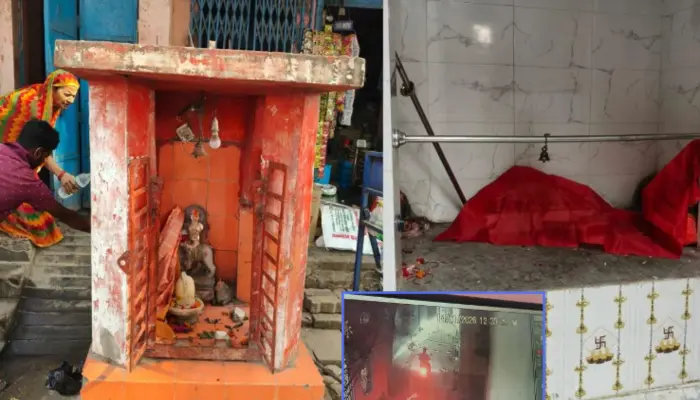
On the night of 13 November 2026, Hindu temples in the Rail Bazaar locality in Fatehpur, Uttar Pradesh, were targeted by unidentified miscreants who desecrated the sacred idols of Hindu deities installed there. At a temple situated on Station Road, opposite the Government Railway Police (GRP) station, the miscreants damaged the idol of Goddess Durga and threw it onto the road. They also attempted to dislodge the idol of Lord Hanuman and the Shivling installed in the same temple but failed. The miscreants subsequently targeted the Kali Mata Temple situated on Rail Bazaar Valmiki Basti Road, where they damaged the idols using bricks and stones. The incident came to light the following morning when local residents noticed that the idols had been damaged and that the idol of Goddess Durga had been thrown onto the road. The discovery of vandalised idols at two temples in quick succession triggered widespread anger among local residents and devotees. Following the incident, Bajrang Dal district coordinator Shanu Singh and local councillor Atish Paswan were informed. Bajrang Dal members, including Monu Soni, Ashish Singh, Ashish Chaurasia, Devendra Dixit and Prabhat Dubey, along with other activists, reached the spot and informed the police. Police personnel from the local police station arrived, inspected both locations and began examining CCTV footage from cameras installed in the surrounding areas to identify those responsible. The incident prompted strong resentment among Bajrang Dal members and local residents, who warned that they would organise protests and block roads if those responsible were not identified and action was not taken against them promptly. City Station House Officer Hemant Mishra stated that a suspect had been identified through CCTV footage and was being questioned by the police. Police continued their investigation and stated that strict legal action would be taken against anyone found responsible for the vandalism.
Why it is Hate Crime ?
This case has been added to the tracker under the primary category of - Attack on Hindu religious representations. Within it, the sub-category selected here is - Attack on temples. In Hinduism, a temple is the abode of the Deity. The Deity in the Temple is consecrated, thereby, making it a real, breathing entity. Hindus believe that not just the Deity but the temple premises itself are sacred to Hindus since Hindus hold the faith that the entire Temple space is an amalgamation of the divine energy of the deity. Given the central significance of Temples in Hindu Dharma, any attack against a Hindu Temple or its peripheral premises is an attack on the faith itself and is born out of animosity towards the faith, of which, the Temple is a central tenet. Any manner of attack against a Temple and/or its premises would therefore be considered a religiously motivated hate crime. The other sub-category selected here is - Desecration of Hindu religious symbols. Icons and symbols or a religious representation of a spiritual ideal are widely revered in Hinduism. Iconography is of vital significance in the Hindu milieu. It helps connect people’s spiritual beliefs with the real world. Iconography within the Hindu faith takes several shapes and forms. Murtis are of most significance to Hindus, to which daily rituals, prayers and offerings are done. Besides the murtis, there are several other symbols which have deep significance in the Hindu faith – the Om and Swastika for example. Since these Hindu religious symbols hold paramount importance in Hinduism, any desecration of symbols, icons, murtis, religious representations and manifestations, is driven by animosity towards the faith itself which manifests itself through these murtis, icons and symbols. Therefore, any desecration of these Hindu religious symbols and representations is considered religiously motivated hate crimes under this category. The incident qualified as a hate crime because the perpetrators specifically targeted Hindu places of worship and the sacred representations of Hindu deities. The vandalism was not directed at ordinary public property or unrelated structures but at two temples, which held religious and spiritual significance for the local Hindu community. The deliberate targeting of these places of worship demonstrated hostility towards Hindu religious symbols and the faith they represented. Damaging sacred idols constituted an attack not merely on physical objects but also on the religious sentiments, beliefs and collective sense of security of Hindu devotees. In Hinduism, temples hold immense religious, spiritual and cultural significance, serving as sacred spaces where devotees worship Hindu deities, perform religious rituals and maintain their connection with their faith. Idols, or murtis, of Hindu deities are not regarded as mere physical representations but are revered as sacred manifestations of the divine and central to Hindu worship. Devotees offer prayers, perform puja and seek blessings before these consecrated representations. Consequently, temples and their sacred idols occupy a deeply important place in Hindu religious life and community identity. Their desecration therefore goes beyond damage to physical property, striking at the religious beliefs, sentiments and spiritual practices of Hindu devotees. Deliberately vandalising such places of worship and desecrating the murtis installed within them constitutes an affront to the faith and religious identity of the Hindu community. The fact that two separate Hindu temples were targeted in the same locality during the same night further strengthened the communal dimension of the incident. The targeting of multiple places of worship demonstrated that the perpetrators had directed their actions towards Hindu religious institutions, stemming from religious animosity, rather than engaging in indiscriminate vandalism. The desecration of idols also carried a particular religious significance, as murtis and Shivlings were sacred objects of worship for Hindus. Such acts undermined the sanctity of Hindu places of worship and conveyed contempt for the religious practices of the community. Furthermore, the incident affected the wider Hindu community beyond the immediate damage to the temples. Places of worship serve as centres of religious practice and community life, and their desecration can create fear and insecurity among devotees regarding the safety of their religious institutions. The outrage among local residents and the intervention of Bajrang Dal members reflected the wider impact of the incident on the Hindu community. While the perpetrators' identities had not yet been established at the time of reporting, the deliberate targeting of two Hindu temples and the desecration of sacred Hindu idols provided grounds for recognising the incident as an anti-Hindu hate crime. The absence of an established perpetrator identity or an explicit statement of motive did not negate the religious nature of the targets or the apparent hostility conveyed through the acts of desecration.


Case Status
Unknown


Perpetrators Details
Perpetrators
Unknown
Perpetrators Range
Unknown
Perpetrators Gender
unknown
 Sources



