Hindu temple vandalised, its consecrated idol desecrated and thrown into drain in Rarawai, Ba, Fiji
 Ba, Fiji Islands
 4 November, 2026
Case Summary
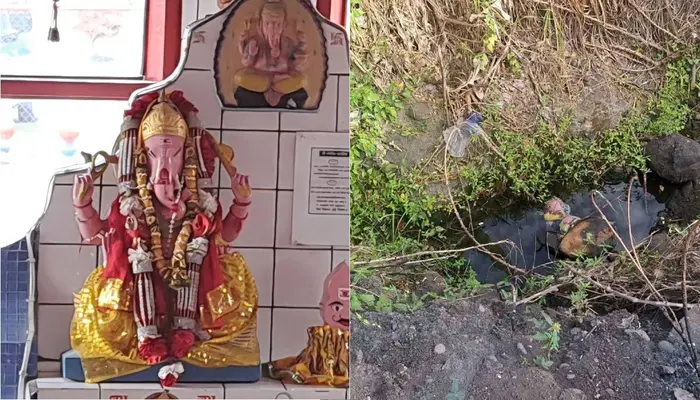
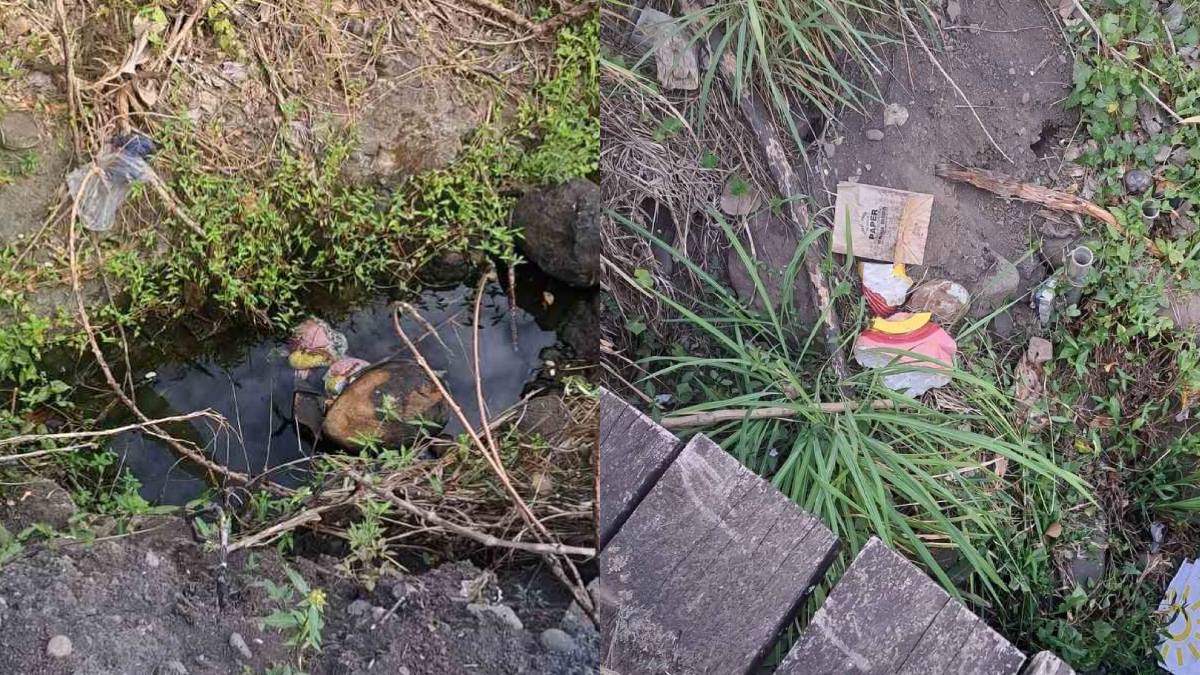
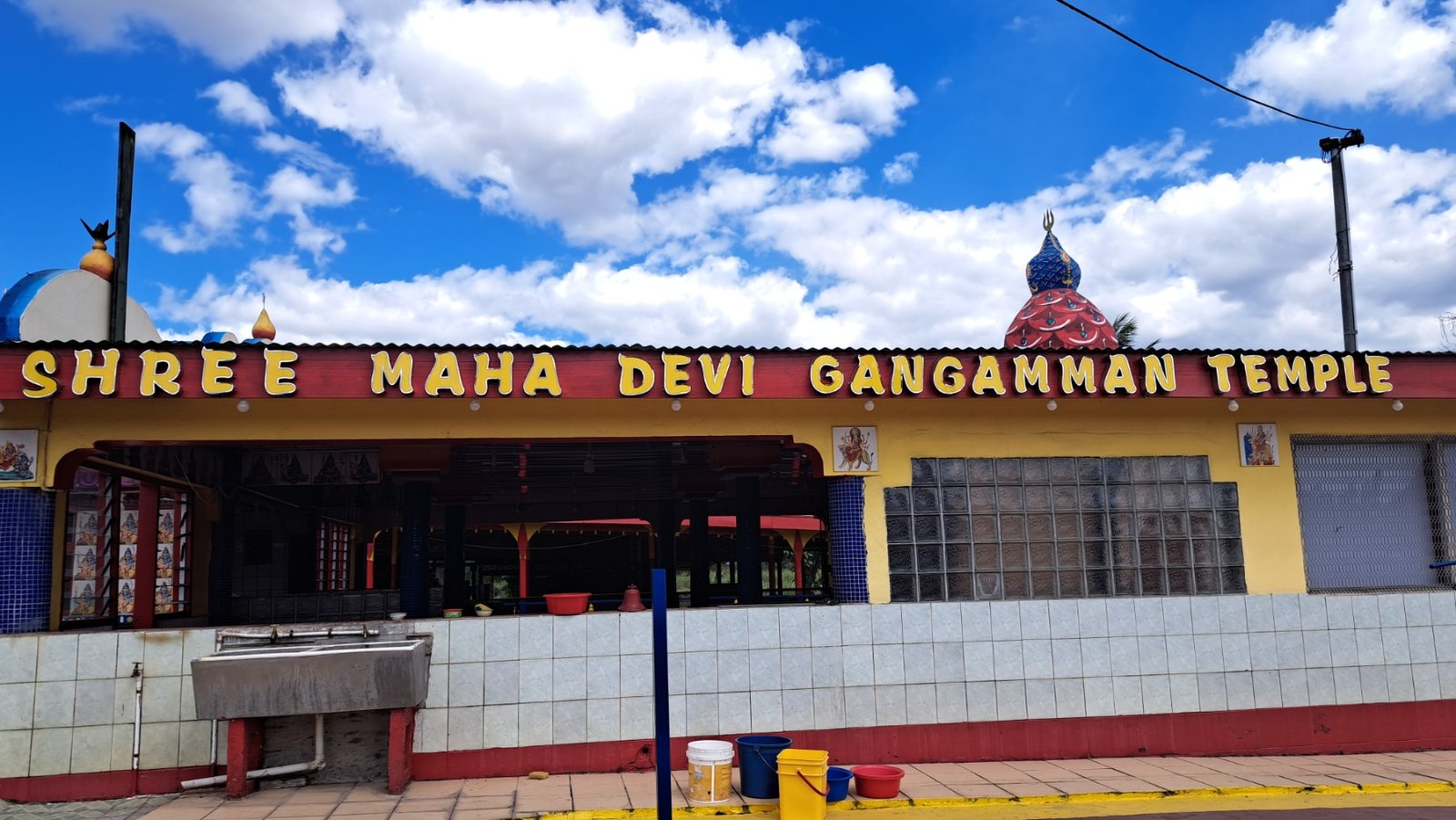
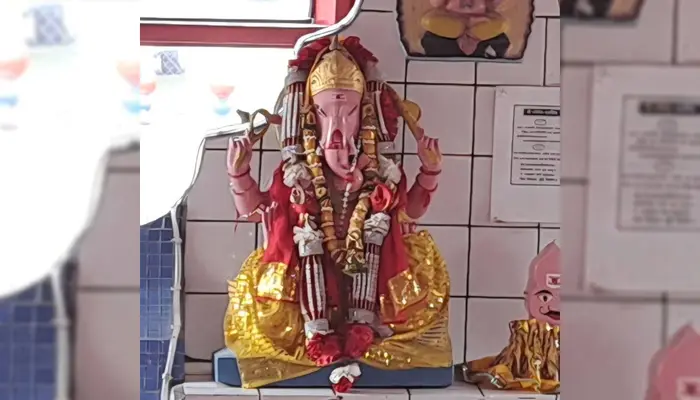
Shri Maha Devi Gangaman Temple in Field 28 was targeted and vandalised, while its consecrated idol was desecrated and thrown into a drain in Rarawai, Ba, Fiji. The incident came to light on the morning of 5 November 2026, when the temple committee discovered that the main idol of Lord Ganesh was missing from its place. The temple caretaker subsequently found pieces of the idol near a sacred fig tree, while other fragments had been placed inside a sack and thrown into a nearby creek. According to temple manager Munen Lingam, the idol had been smashed against a stone. The perpetrators had cut the lock and damaged the protective grill surrounding the idol to gain access to it. The incident marked the second time the temple had been targeted, following an incident in November 2025 in which a Lord Hanuman statue was also damaged and stolen. Following the previous incident, the temple committee had strengthened security by installing additional grills and shutters and had also made plans to install CCTV cameras. However, the perpetrators managed to breach the security arrangements and destroy the Lord Ganesh idol. Nothing else was stolen or damaged during the latest incident, and the small amount of money left by devotees at the temple remained untouched. The destruction deeply affected the temple committee, the Ramayan Mandali and families from Field 28 and surrounding communities, as devotees regularly gathered at the temple for prayers and other religious activities. The incident also disrupted the community's preparations for Diwali celebrations, which included a programme scheduled for Saturday, 7 November 2026. The community expressed distress over the destruction and struggled to understand why the incident had taken place. At the same time, temple manager Munen Lingam stated that the community did not want the incident to create divisions between different religions or races. Following a police report lodged in Ba and a subsequent investigation, a suspect was taken into custody. Police confirmed that the suspect was the same individual who had been arrested in Nadi earlier in 2026 for allegedly committing a similar offence. Police investigations into the destruction of the Lord Ganesh idol continued.
Case Images
Why it is Hate Crime ?
This case has been added to the tracker under the primary category: Attack on Hindu religious representations. The sub-category selected is: Desecration of Hindu religious symbols. Icons and symbols or a religious representation of a spiritual ideal are widely revered in Hinduism. Iconography is of vital significance in the Hindu milieu. It helps connect people’s spiritual beliefs with the real world. Iconography within the Hindu faith takes several shapes and forms. Murtis are of most significance to Hindus, to which daily rituals, prayers and offerings are done. Besides the murtis, there are several other symbols which have deep significance in the Hindu faith – the Om and Swastika for example. Since these Hindu religious symbols hold paramount importance in Hinduism, any desecration of symbols, icons, murtis, religious representations and manifestations, is driven by animosity towards the faith itself which manifests itself through these murtis, icons and symbols. Therefore, any desecration of these Hindu religious symbols and representations is considered religiously motivated hate crimes under this category. The other sub-category selected here is - Attack on temples. In Hinduism, a temple is the abode of the Deity. The Deity in the Temple is consecrated, thereby, making it a real, breathing entity. Hindus believe that not just the Deity but the temple premises itself are sacred to Hindus since Hindus hold the faith that the entire Temple space is an amalgamation of the divine energy of the deity. Given the central significance of Temples in Hindu Dharma, any attack against a Hindu Temple or its peripheral premises is an attack on the faith itself and is born out of animosity towards the faith, of which, the Temple is a central tenet. Any manner of attack against a Temple and/or its premises would therefore be considered a religiously motivated hate crime. The incident constituted a targeted attack on a Hindu place of worship and a sacred religious object, making it relevant for classification as a hate crime against Hindus. Lord Ganesh is a central figure of Hindu worship, and the idol represented the religious faith and devotion of the Hindu community that regularly gathered at the Shri Maha Devi Gangaman Temple. Its deliberate destruction went beyond ordinary theft or property damage because the object targeted was specifically a representation of a Hindu deity and an essential part of the community's religious practice. The act of smashing the idol demonstrated a disregard for the religious sanctity attached to it and directly interfered with the community's ability to worship and maintain its sacred space. The nature of the attack was particularly significant because the perpetrators did not simply remove the idol or steal valuables from the temple. They deliberately destroyed the sacred object, rendering it unusable for worship. This distinction is important when assessing the religious dimension of the incident. The fact that the money left by devotees remained untouched, while the principal object of Hindu worship was stolen and destroyed, further distinguished the incident from an ordinary burglary motivated by financial gain. The selection of a religious idol as the primary target indicated that the attack had consequences extending beyond material loss and affected the religious sentiments of the devotees. Such an act violates the sanctity of a consecrated place of worship, deeply wounds the religious sentiments of devotees, and damages a sacred symbol through which the Hindu faith is expressed. Moreover, the act was carried out despite the understanding that temples are sacred spaces and centres of worship for Hindus and that such attacks not only cause physical destruction but also deeply wound the spiritual and cultural fabric of the Hindu community, as temples symbolise their faith and collective identity. The deliberate targeting of these revered spaces underscores the profound animosity the accused harboured towards the Hindu faith, which is why this case has been categorised as a religiously motivated hate crime. The incident also assumed greater significance in the context of the temple being targeted for a second time, following the earlier theft and destruction of a Lord Hanuman statue in November 2025. The recurrence of attacks involving sacred Hindu idols at the same place of worship reveals deliberate targeting of the temple and its religious identity. The repeated desecration of Hindu religious objects undermined the community's sense of security and its ability to practise its faith without fear of further attacks. Furthermore, the timing of the incident, shortly before Diwali, intensified its impact on the Hindu community. The destruction took place when devotees were preparing for one of their most important religious festivals, disrupting the community's religious preparations and causing distress among families who regularly participated in prayers and other activities at the temple. Such attacks on sacred objects and places of worship can have a wider intimidating effect, extending beyond the immediate victims to the religious community as a whole by creating apprehension about the safety of their religious institutions and practices. Taken together, the deliberate destruction of a Hindu deity's idol, the selection of the temple's principal object of worship rather than valuables, and the recurrence of similar attacks at the same temple provided grounds for treating the incident as an attack on Hindu religious identity and religious practice. Therefore, this case has been added to the hate crime database.


Case Status
Arrested


Perpetrators Details
Perpetrators
Unknown
Perpetrators Range
One Person
Perpetrators Gender
male
 Sources



