Hindu deities disparaged through distorted images and misleading religious content on social media
 Paschim Medinipur district, West Bengal, India
 23 October, 2026
Case Summary
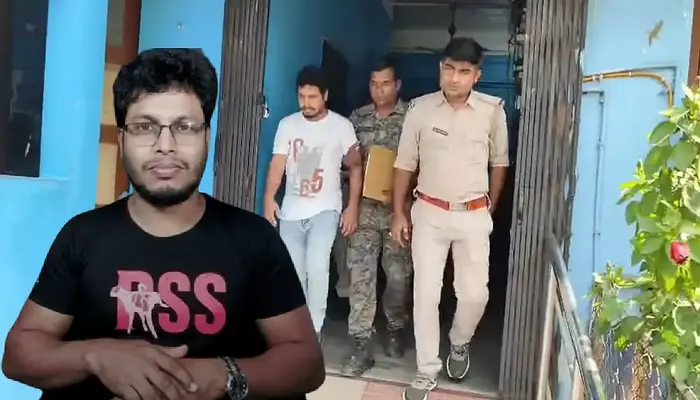
In Dantan, Paschim Medinipur district, West Bengal, social media content creator Surjit Shee was arrested on 24 October 2026 for posting objectionable content about Hindu deities on social media. According to reports, the accused operated a Facebook page named Core Bangla Janakantha and a YouTube channel, where he shared distorted images of Hindu gods and goddesses and spread misleading information about Hindu religious subjects. He also made satirical and derogatory posts about Prime Minister Narendra Modi and West Bengal Chief Minister Suvendu Adhikari. Members of the local Bajrang Dal filed a written complaint at Dantan police station, stating that he had insulted Hindu religious sentiments through his online content. The police arrested him following the complaint and registered a case under Sections 152, 197 and 353 of the Bharatiya Nyaya Sanhita. He was produced before the Dantan court, which remanded him to custody until 4 November 2026. Furthermore, the social media page 'Kor Bangla Jyotaka Kantho' run by him was shut down.
Why it is Hate Crime ?
This case is being added to the tracker under the primary category: Hate Speech against Hindus. The subcategory selected is: Anti-Hindu slurs, mocking faith. Anti-Hindu slurs and the deliberate mocking of the Hindu faith owing to religious animosity involve the usage of derogatory terms, stereotypes, or offensive references to religious practices, symbols, or figures. One of the common anti-Hindu slurs used against Hindus is “cow-worshipper” and “cow piss drinker”. The intention of using this term is to demean and mock Hindus as a group and their religious beliefs since Hindus consider the cow holy. Additionally, some symbols and the slurs attached to them have a historical context that exacerbates the insult, hate, stereotyping, dehumanisation and oppression against Hindus. Cow worship has been used for centuries to denigrate Hindus, insult their faith and oppress Hindus specifically as a religious group. There has been overwhelming documentation about how cow slaughter has been used to persecute Hindus with cow meat being thrown in temples and places of worship. There has also been overwhelming documentation where cow meat (beef) has been force-fed to Hindus to either forcefully convert them to Islam or denigrate their faith. Apart from cow worship, the Swastika – which holds deep religious significance for the Hindus – has also been misinterpreted and distorted to use as a slur against Hindus. Similarly, the worship of the Shivling has been used by supremacist ideologies and religions to denigrate Hindus owing to religious animosity. Such slurs and denigration stem out of inherent animosity and hate towards Hindus and their faith, therefore, it is categorised as hate speech targeted at Hindus specifically owing to their religious identity. The second primary category selected here is - Attack on Hindu religious representations. Within it, the sub-category selected here - Iconoclastic representation of Hindu Gods/Goddesses. An icon is a symbol of someone or something that is revered, or a religious representation of a spiritual ideal. Iconography is of vital significance in the Hindu milieu. It helps connect people’s spiritual beliefs with the real world. Iconography within the Hindu faith takes several shapes and forms. Murtis are of most significance to Hindus, to which daily rituals, prayers and offerings are done. Besides the murtis, there are several other symbols which have deep significance in the Hindu faith – the Om and Swastika for example. Any iconoclastic representation of these symbols, images and murtis is an affront to the religious beliefs and faith of the Hindu community itself since the symbols and icons are deeply religious in nature. In this sub-category of crime, we would record hate crimes and iconoclastic representations, in words, art, or any other form of representations of symbols that hold religious significance for the Hindu community. Since these symbols, icons and murtis are central to the Hindu faith, any iconoclastic representation of these symbols is born out of animosity towards the faith itself, manifesting itself through these symbols and therefore, these representations would be considered religiously motivated hated crimes. The case was added to the hate crime database because the content specifically targeted Hindu religious figures and sacred beliefs. Hindu deities are central to Hindu religious life, worship and spiritual practice, serving as objects of devotion and embodying sacred beliefs, values and traditions passed down through generations. Their images and representations hold deep religious significance, appearing in temples, household shrines, festivals and daily prayers. They are not merely cultural symbols but integral to the faith and religious identity of Hindu devotees. Deliberately distorting or depicting these deities in a derogatory manner therefore strikes at the heart of Hindu religious beliefs and disrespects the sacred figures worshipped by millions of Hindus. The distortion of images of Hindu deities was particularly significant because their visual representations are integral to Hindu worship and religious expression. Images and idols of deities are revered as sacred forms through which devotees express their faith, offer prayers and maintain their spiritual connection. Deliberately altering these representations to ridicule or demean them directly disrespects the sacred figures worshipped by Hindus and strikes at an important aspect of their religious identity. When such distortions are intended to provoke or express contempt towards Hindu beliefs, they constitute targeted religious disparagement rather than ordinary criticism or artistic expression. Furthermore, the content targeted Hindu deities through derogatory material and the spread of misleading information about Hindu religious traditions. Deliberately misrepresenting religious traditions to ridicule the faith or encourage disrespect towards its followers constituted targeted hostility towards Hindu religious identity. This distinguished the incident from legitimate criticism of religious doctrines or practices. The case also raised the question of the distinction between targeting religious beliefs and targeting the people who follow them. Disparagement of sacred figures affects devotees because those figures are not merely historical or cultural references but objects of worship and expressions of religious belonging. Deliberately presenting them in a degrading manner communicate disrespect towards the community whose faith they represent and contribute to an environment in which its religious identity is treated with contempt. The distinction between legitimate criticism and religiously motivated hostility was important in assessing this case. Criticism of religious doctrines, satire about public affairs and challenges to religious narratives do not, by themselves, constitute hate crimes. The relevant question was whether the content singled out Hinduism for derogatory treatment because of its religious identity, rather than engaging with religious ideas through general criticism or rationalist commentary. The use of distorted depictions of Hindu deities and misrepresenting content concerning Hindu religious subjects provided grounds for adding this case to the hate crime database. In recent times, social media has increasingly become a platform for anti-Hindu hate, with derogatory memes, videos, and messages targeting Hindu religious symbols, practices, and deities. Such content is recognised as part of a broader pattern of Hinduphobia and religious hate crimes online. This deliberate targeting of revered religious icons firmly establishes this act as a religiously motivated hate crime; therefore, it is being categorised under the hate crime database.


Case Status
Arrested


Perpetrators Details
Perpetrators
Others
Perpetrators Range
One Person
Perpetrators Gender
male
 Sources





