Hindu religious event compromised as Muslim youth enters Navratri Dandiya event despite restrictions on non-Hindu participation in Jamshedpur, Jharkhand
 Jamshedpur, Jharkhand, India
 14 October, 2026
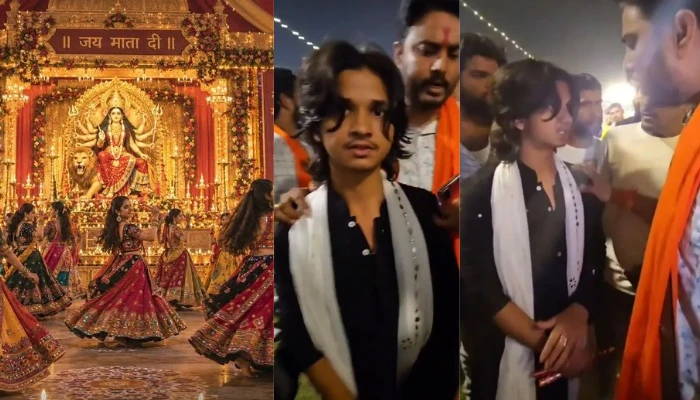
Case Summary
In Jamshedpur, Jharkhand, a Muslim youth named Rafique entered a Dandiya event accompanied by his Hindu friends, prompting objections from members of the Bajrang Dal and other Hindu organisations. The incident gained public attention after a video of the confrontation at the event went viral on social media. According to a Live Hindustan report published on 18 October 2026, the incident took place at Gopal Maidan in Jamshedpur on 15 October 2026. The Garba event was organised with restrictions on non-Hindu participation. During this time, a Muslim youth, Rafique, had entered the premises with a female Hindu friend and other Hindu couples. Bajrang Dal activists present at the scene became suspicious and began questioning them. During the confrontation, members of the Hindu organisation questioned the youth and spoke to the girl who had accompanied him. They also called her family and expressed concern about her association with the youth. A video of the confrontation later circulated on social media, intensifying the controversy. The incident prompted reactions from political leaders and religious organisations. Jharkhand Health Minister Irfan Ansari called for police action against those involved in the confrontation, while members of Hindu organisations raised concerns about identity concealment and participation in Hindu religious and cultural events. The East Singhbhum Senior Superintendent of Police, Dr Ehtesham Waqarib, stated that the Bistupur Police were investigating the matter. At the time of reporting, no arrests had been made.
Why it is Hate Crime ?
This case was included in the Hinduphobia Tracker’s Undecided database because a Muslim youth, Rafique, entered a Dandiya event in Jamshedpur, Jharkhand, despite restrictions on the participation of non-Hindus. The incident occurred during Navratri, a sacred Hindu observance, and raised concerns about disregard for the gathering's religious character and the organisers’ stated restrictions on participation. Dandiya and Garba celebrations during Navratri hold special religious significance for devotees of Goddess Durga. These gatherings are not merely recreational events but form part of a longstanding Hindu religious and cultural tradition through which devotees express their reverence for the Goddess and celebrate her nine forms. Through traditional dances, devotional music and collective participation, Hindus come together to observe Navratri and affirm their religious identity. An event organised specifically for Hindu participants during this sacred period therefore carries religious significance beyond ordinary social entertainment. Religious communities have the right to preserve their customs and organise their religious observances according to their established practices. In this case, the event restricted participation, and authorities specifically stated that Muslim men should not enter Garba events. Despite these restrictions, Rafique entered the venue with his Hindu friends and other Hindu couples. His decision to enter despite being aware of the restrictions raises serious questions about his disregard for the organisers’ stated conditions and the religious sentiments of the Hindu community whose observance was taking place. Knowledge of the event’s religious significance and its participation rules makes the circumstances particularly concerning. There have also been numerous documented cases in which Muslim men have concealed their religious identities or posed as Hindus to gain entry into Garba and Dandiya events, with some cases involving allegations of Hindu women being targeted for romantic or sexual exploitation and religious conversion. This wider pattern makes scrutiny of entry into Hindu religious gatherings especially important. However, the available information does not conclusively establish that Rafique concealed his religious identity or pretended to be Hindu to gain entry. Nor does it establish that he entered with the intention of targeting Hindu women. These elements must therefore be distinguished from the established circumstances of his presence at the event. The incident nevertheless raises concerns about the disregard for Hindu religious observances and the restrictions imposed by the organisers. Rafique's entry despite the stated restrictions is significant, but the available evidence does not conclusively establish that his conduct was motivated by anti-Hindu animosity. The Hinduphobia Tracker follows a stringent verification process and carefully scrutinises cases in which the religious trigger cannot be independently established. Therefore, this case was placed in the Undecided database rather than classified as a confirmed religiously motivated hate crime. If further information establishes that Rafique deliberately concealed his religious identity to gain entry or that his actions were motivated by hostility towards Hindu religious practices, the case can be reassessed and updated accordingly.


Case Status
Unknown


Perpetrators Details
Perpetrators
Muslim Extremists
Perpetrators Range
One Person
Perpetrators Gender
male
 Sources



