Ganesh Visarjan called ‘deranged’, Hindus targeted with explicit abuse on social media
 Mumbai, Maharashtra, India
  27 September, 2026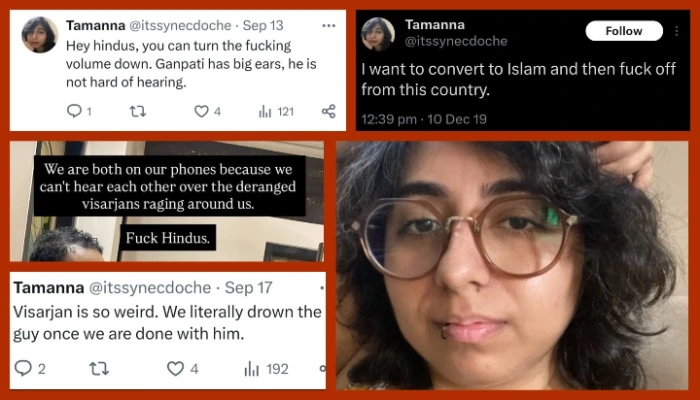
Case Summary
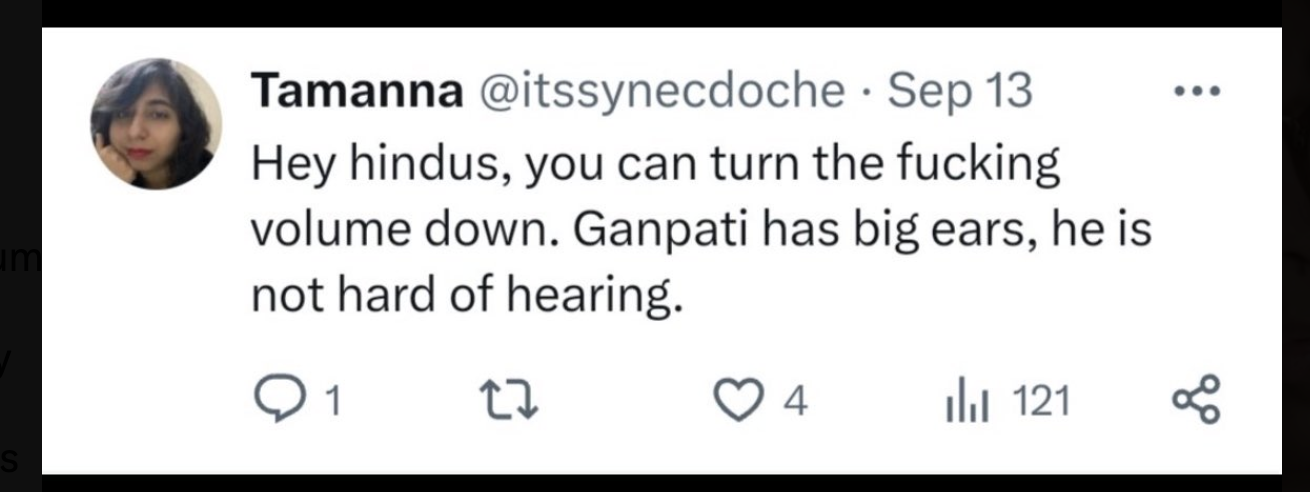
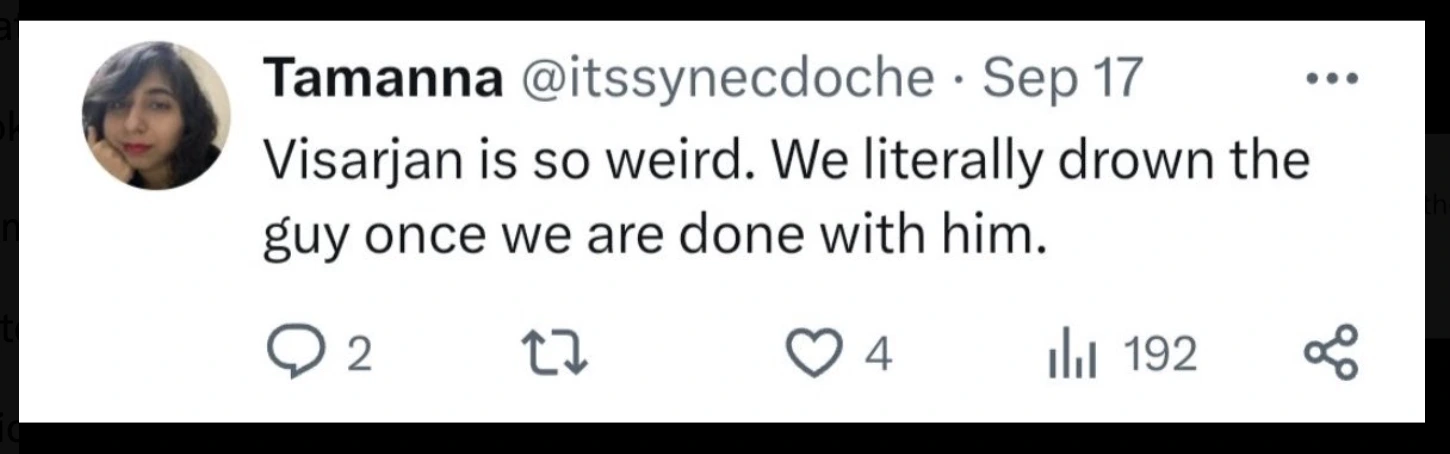
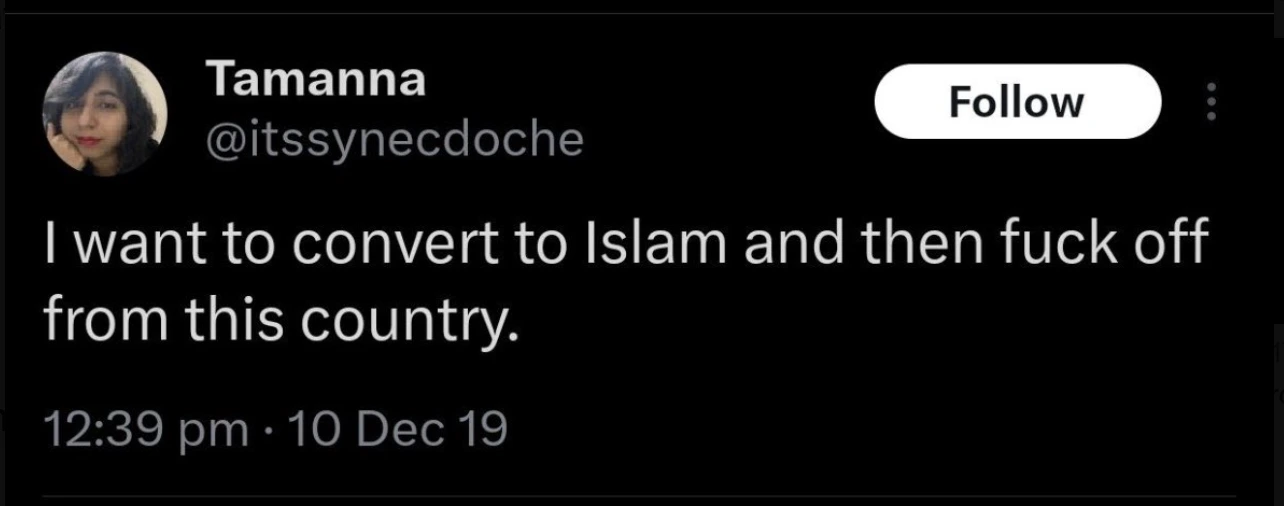
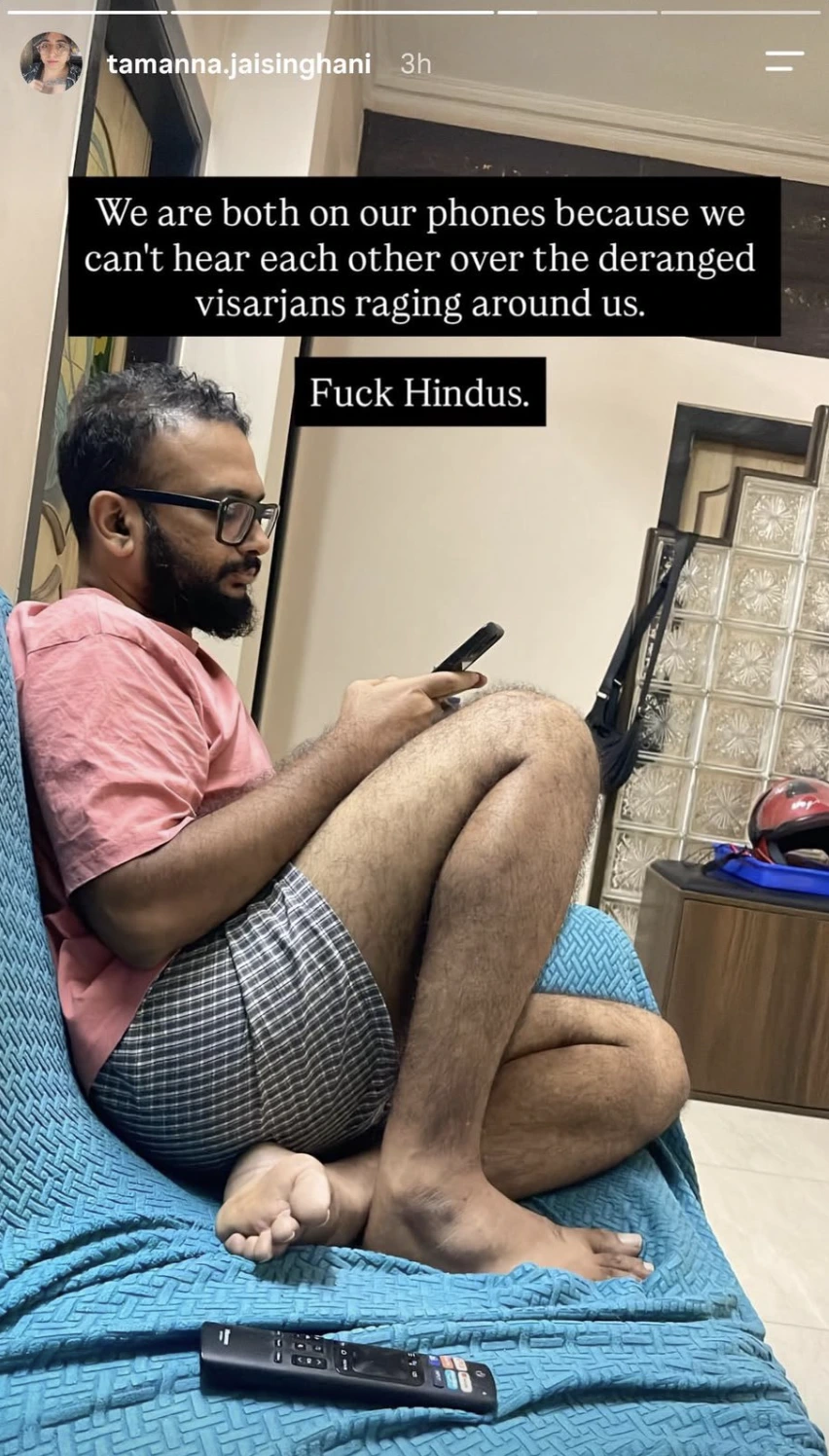
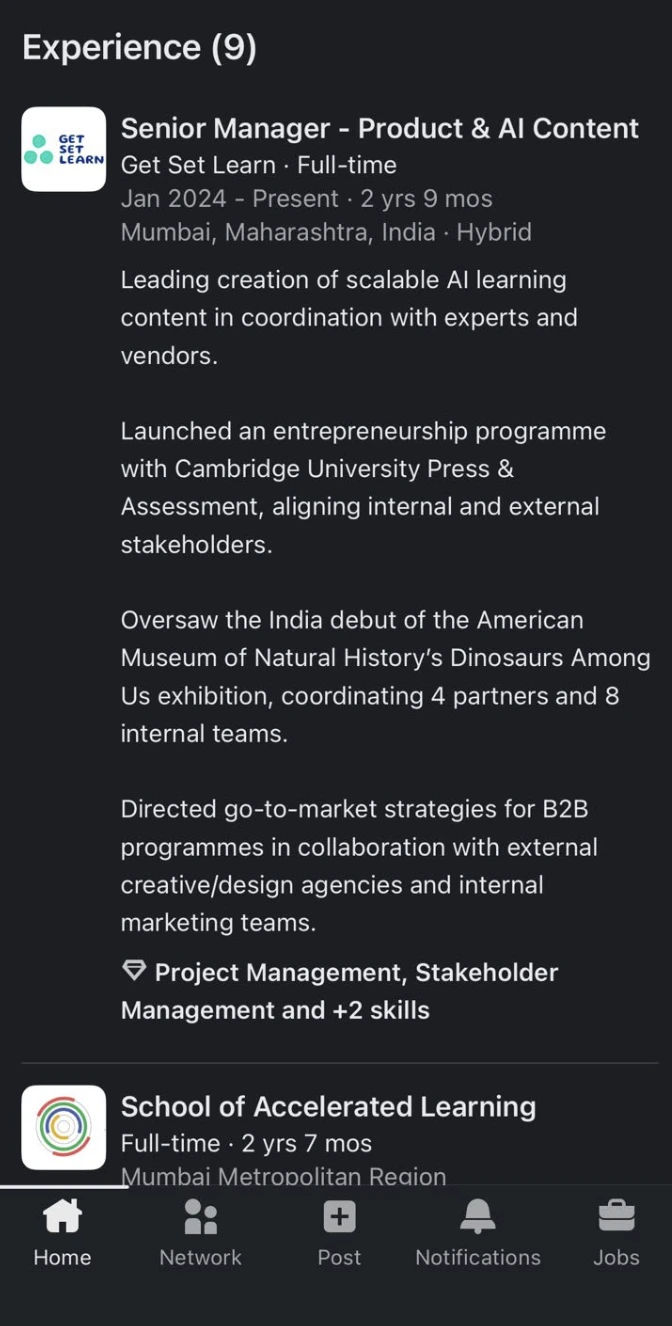
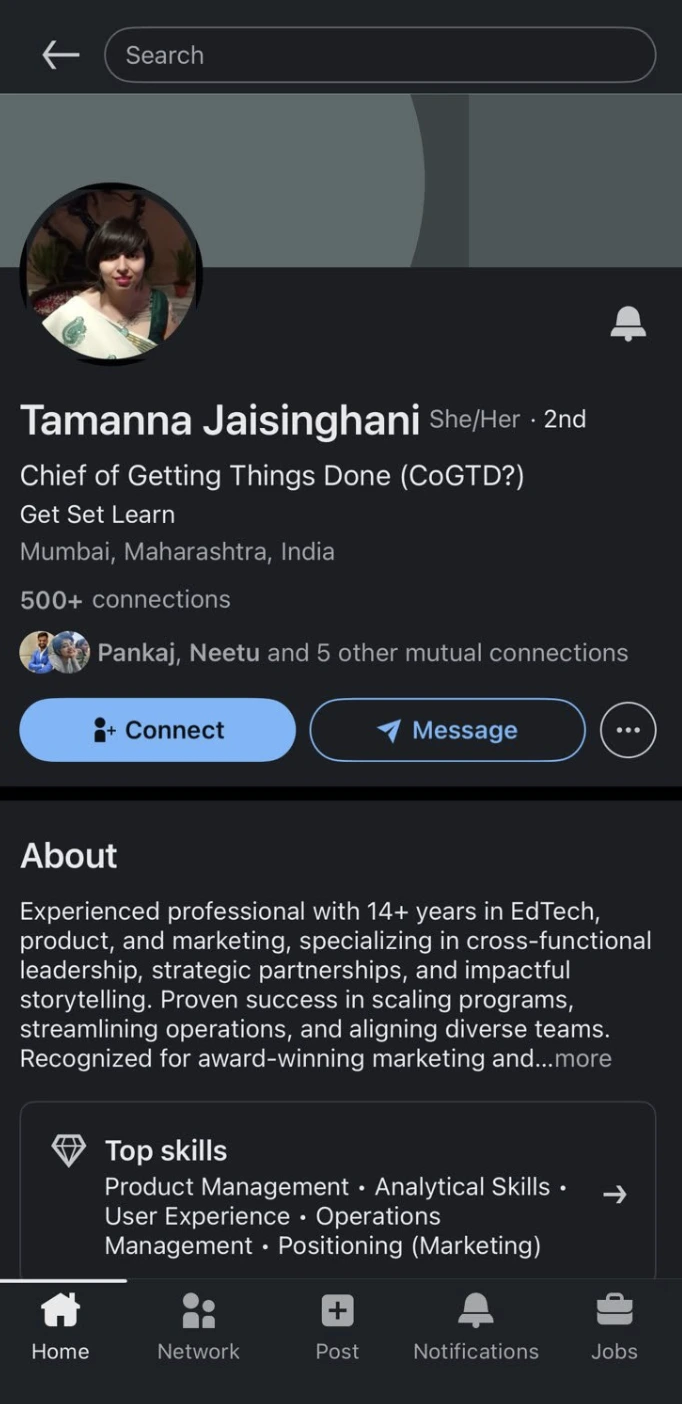
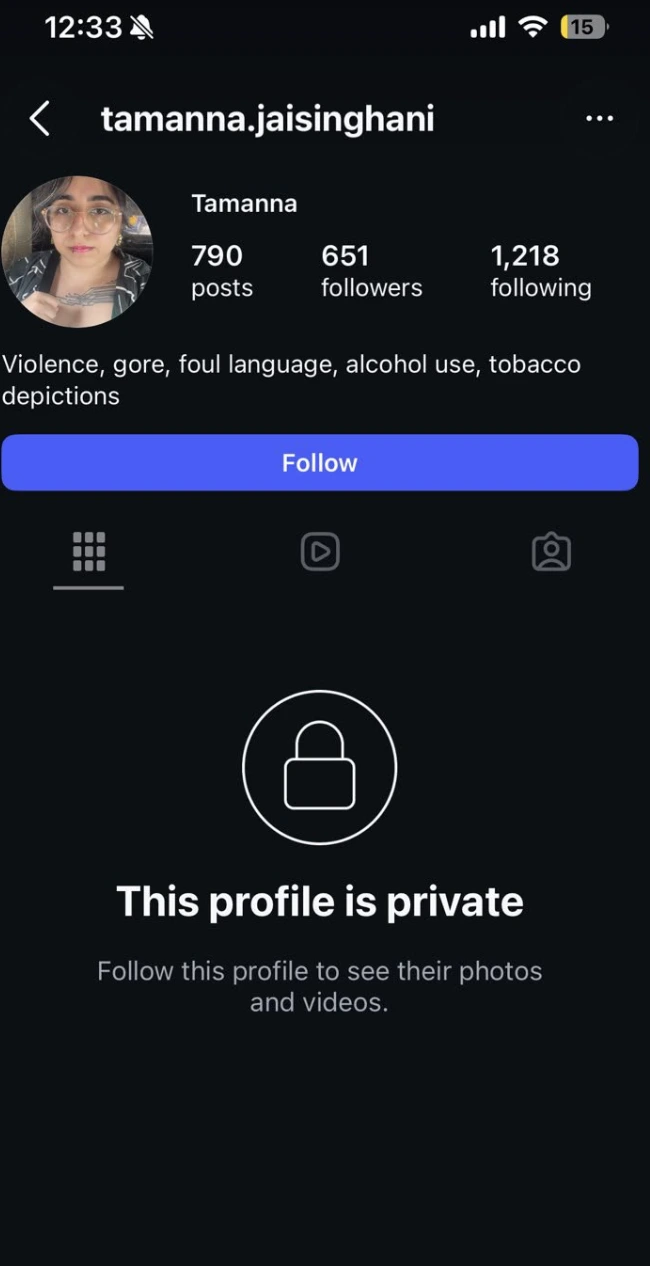
During the 2026 Ganesh festival, a social media user named Tamanna Jaisinghani made a series of derogatory posts targeting Ganpati, Ganesh Visarjan and Hindus. In one post, Jaisinghani wrote: “Hey Hindus, you can turn the fucking volume down. Ganpati has big ears, he is not hard of hearing.” The post addressed Hindus directly while mocking Ganpati in the context of the festival's noise. In another post, she wrote: “Visarjan is so weird. We literally drown the guy once we are done with him.” The remark referred directly to the Ganesh Visarjan ritual. In a separate post from the same period, she described the Visarjan celebrations as “deranged” and wrote: “Fuck Hindus.” Screenshots of these posts were later widely shared by users on X, bringing the remarks to wider attention. The controversy also brought attention to an older post from the same account. On 10 December 2019, Jaisinghani wrote: “I want to convert to Islam and then fuck off from this country.” An earlier episode from 2023 was also brought up on social media in connection with the recent controversy. A post circulating online linked Jaisinghani to a stunt involving Ganesh Chaturthi and aarti. The same post further claimed that she later participated in a CJP protest where she chanted “Naam rahega Allah ka” and held placards containing anti-Hindu slogans. The Hinduphobia Tracker has not independently verified the original material relating to this 2023 episode. As the posts circulated, users also shared screenshots of Jaisinghani’s X, Instagram and LinkedIn profiles while discussing her remarks and identifying the person behind the accounts. The X account associated with the handle @itssynecdoche has since been deleted and now displays “This account doesn’t exist.” The Instagram account associated with @tamanna.jaisinghani is also no longer publicly accessible. Screenshots taken before the accounts became unavailable preserve the profiles and posts that had been publicly visible. Screenshots of Jaisinghani’s publicly available LinkedIn profile identify her as a Mumbai-based EdTech professional with more than 14 years of experience in EdTech, product and marketing. Her profile lists her as Senior Manager – Product & AI Content at Get Set Learn, a position she has held since January 2024. The profile describes her work as involving AI learning content, product management, strategic partnerships, programme development and marketing. It also lists her previous association with the School of Accelerated Learning and describes her professional headline as “Chief of Getting Things Done (CoGTD?)”. Her listed skills include Product Management, Analytical Skills, User Experience, Operations Management and Positioning (Marketing). The LinkedIn profile shown in the screenshots lists Mumbai, Maharashtra, India as her location and displays 500+ connections.
Case Images

Why it is Hate Crime ?
This incident has been added to the tracker under the primary category- Hate speech against Hindus, and within this, the subcategory selected is- Anti-Hindu slurs, mocking faith. Anti-Hindu slurs and the deliberate mocking of the Hindu faith owing to religious animosity involve the usage of derogatory terms, stereotypes, or offensive references to religious practices, symbols, or figures. One of the common anti-Hindu slurs used against Hindus is “cow-worshipper” and “cow piss drinker”. The intention of using this term is to demean and mock Hindus as a group and their religious beliefs since Hindus consider the cow holy. Additionally, some symbols and the slurs attached to them have a historical context that exacerbates the insult, hate, stereotyping, dehumanisation and oppression against Hindus. Cow worship has been used for centuries to denigrate Hindus, insult their faith and oppress Hindus specifically as a religious group. There has been overwhelming documentation about how cow slaughter has been used to persecute Hindus with cow meat being thrown in temples and places of worship. There has also been overwhelming documentation where cow meat (beef) has been force-fed to Hindus to either forcefully convert them to Islam or denigrate their faith. Apart from cow worship, the Swastika – which holds deep religious significance for the Hindus – has also been misinterpreted and distorted to use as a slur against Hindus. Similarly, the worship of the Shivling has been used by supremacist ideologies and religions to denigrate Hindus owing to religious animosity. Such slurs and denigration stem out of inherent animosity and hate towards Hindus and their faith, therefore, it is categorised as hate speech targeted at Hindus specifically owing to their religious identity. The religious dimension of this case is unmistakable because the remarks specifically targeted Ganpati, Ganesh Visarjan and Hindus as a religious community. The issue was not simply dissatisfaction with noise or inconvenience caused by a public procession. Those concerns could have been expressed without mocking a revered Hindu deity or abusing Hindus. Instead, the posts ridiculed the deity, trivialised the Visarjan ritual and directly used an expletive against Hindus. Ganesh Visarjan is not merely a public spectacle but an important Hindu religious observance marking the conclusion of Ganesh Chaturthi. Referring to the ritual as “weird,” describing devotees as “deranged,” and reducing the immersion of the deity to the act of “drown[ing] the guy” turned a sacred practice into an object of ridicule. The language was therefore directed at a religious belief and practice rather than simply at an incidental aspect of the celebration. The direct statement “Fuck Hindus” further removes any distinction between criticism of a festival and hostility towards its practitioners. The abuse was aimed at Hindus themselves, while the surrounding remarks simultaneously mocked a Hindu festival and the deity it celebrates. This combination transformed what might otherwise have been a complaint about noise into a direct denigration of Hindu religious identity. The repeated nature of the remarks is also significant. The posts did not amount to one isolated criticism but repeatedly returned to Ganpati and Visarjan in a disparaging manner, while separately using abusive language against Hindus. The resurfacing of earlier material concerning Ganesh Chaturthi and Hindu religious practices also added to the pattern of conduct directed at Hindu faith and observance, although the Hinduphobia Tracker has not independently verified the original 2023 material. Taken together, the remarks demeaned a revered Hindu deity, mocked a central Hindu ritual and openly abused Hindus as a religious community. The targeting therefore went beyond expression of a personal grievance and amounted to denigration of Hindu faith and its adherents. The religious identity of both the practice being mocked and the people being attacked was central to the conduct, making this a religiously motivated hate crime against Hindus. Disclaimer: Since the accused made multiple derogatory remarks across different dates, the Hinduphobia Tracker has recorded 28 September 2026 as the documenting date. This is the date on which screenshots of the remarks circulated widely on social media and the posts were brought to wider public attention. The tracker uses the documenting date where multiple remarks form part of the same pattern and an exact date for the beginning of the conduct cannot be established.


Case Status
Unknown


Perpetrators Details
Perpetrators
Others
Perpetrators Range
One Person
Perpetrators Gender
female
 Sources




