Hindu deities denigrated, 'Pakistan Zindabad' slogans raised by Muslim man in Shajapur, Madhya Pradesh
 Shajapur, Madhya Pradesh, India
  15 February, 2019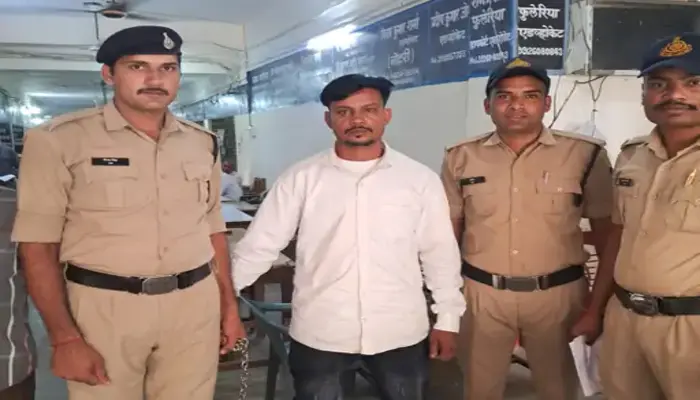
Case Summary
The Shajapur court in Madhya Pradesh convicted a Muslim man identified as Mohsin, son of Mubarik and a resident of Jyoti Nagar, for posting “Pakistan Zindabad” on Facebook along with objectionable content, including derogatory material concerning Hindu deities. The case originated from a complaint filed by Rohit Rathore at Shajapur Kotwali police station on 16 February 2019 after the accused posted the derogatory comments on his Facebook account. The post contained the words “Pakistan Zindabad” along with offensive language, including derogatory remarks directed at women and objectionable material depicting Hindu gods and goddesses. Following the complaint, police registered a case against Mohsin under Sections 153 and 505 of the Indian Penal Code and Section 67 of the Information Technology Act. After completing the investigation, the police filed a charge sheet before the court. During the proceedings, the court examined the contents of the Facebook post and recorded that the material had the potential to promote hatred and enmity between different communities. The judgment also specifically referred to the derogatory language used against women and the objectionable content concerning Hindu deities. The Principal District and Sessions Judge subsequently convicted Mohsin under all three sections. He was sentenced to two years’ rigorous imprisonment under Section 153 of the Indian Penal Code and one year’s rigorous imprisonment each under Section 505 of the Indian Penal Code and Section 67 of the Information Technology Act. The court dismissed his appeal, and following the verdict, he was sent to Shajapur District Jail.
Why it is Hate Crime ?
The primary category in this case is "Hate speech against Hindus". The sub-category that this case qualifies for is "Anti-Hindu slurs, mocking faith". Anti-Hindu slurs and the deliberate mocking of the Hindu faith owing to religious animosity involve the usage of derogatory terms, stereotypes, or offensive references to religious practices, symbols, or figures. One of the common anti-Hindu slurs used against Hindus is “cow-worshipper” and “cow piss drinker”. The intention of using this term is to demean and mock Hindus as a group and their religious beliefs since Hindus consider the cow holy. Additionally, some symbols and the slurs attached to them have a historical context that exacerbates the insult, hate, stereotyping, dehumanisation and oppression against Hindus. Cow worship has been used for centuries to denigrate Hindus, insult their faith and oppress Hindus specifically as a religious group. There has been overwhelming documentation about how cow slaughter has been used to persecute Hindus with cow meat being thrown in temples and places of worship. There has also been overwhelming documentation where cow meat (beef) has been force-fed to Hindus to either forcefully convert them to Islam or denigrate their faith. Apart from cow worship, the Swastika – which holds deep religious significance for the Hindus – has also been misinterpreted and distorted to use as a slur against Hindus. Similarly, the worship of the Shivling has been used by supremacist ideologies and religions to denigrate Hindus owing to religious animosity. Such slurs and denigration stem out of inherent animosity and hate towards Hindus and their faith, therefore, it is categorised as hate speech targeted at Hindus specifically owing to their religious identity. The hate-crime dimension in this case arose from the explicitly religious nature of the offensive content directed at Hinduism and Hindu religious figures. The conduct went beyond the expression of a political or national sentiment because the material also contained objectionable content concerning Hindu deities. Hindu deities hold a central and sacred position in Hindu religious life, worship and spiritual practice, with devotees offering prayers, rituals and devotional observances to them as manifestations of the divine. Figures such as Lord Shiva, Lord Vishnu, Goddess Durga, Goddess Lakshmi and Lord Ganesha are not merely cultural symbols but are revered objects of worship for millions of Hindus. Consequently, derogatory or insulting statements against Hindu deities directly demean these sacred figures and are an attack on core religious beliefs and practices. When such content is publicly disseminated, it can further contribute to the denigration of Hinduism and create hostility towards members of the Thus, the accused's actions in this case, making derogatory remarks against Hindu gods and goddesses, showcased the hatred he harboured towards Hinduism and the Hindu community. Such acts were deliberately designed to wound the religious sentiments of the Hindu community, unequivocally marking them as a religiously motivated crime. In this case, the accused also posted slogans of Pakistan Zindabad. It may be said that the slogan of Pakistan Zindabad can be considered anti-India and pro-Pakistan, but not anti-Hindu. However, raising slogans such as Pakistan Zindabad does not only show pro-Pakistan sentiments, but also, anti-Hindu sentiments. It is pertinent to note that Muslim extremists harbour specific animosity towards Hindus and their faith and also view India as a Hindu collectivity. The very basis of the partition of India was that the Muslims believed that Islam was a nation unto itself, which could not survive with a Hindu collectivity like India. Further, this would also mean that the slogan Pakistan Zindabad is about hailing a Muslim collectivity and an expression of transnational loyalty and anti-Hindu sentiments. For that reason, any slogan which expresses transnational loyalty, faith in the Ummah is automatically a slogan against Hindus and the Hindu collectivity. In such cases where such expressions are accompanied by hostility towards Hindu religious symbols and deities, they represent a broader rejection of the Hindu religious and national identity associated with India. However, the hate-crime significance here did not rest on the Pakistan slogan alone. It was the combination of the transnational political expression and the explicit denigration of Hindu deities that gave the material a more pronounced religiously hostile character. Taken together, the case had a clear religiously hostile dimension because the accused’s online content specifically denigrated Hindu deities with the intention of promoting hostility between religious communities. The objectionable treatment of figures sacred to Hindus, combined with the wider communal context of the post, made Hindu religious identity a material aspect of the conduct rather than an incidental element.


Case Status
Perpetrator held guilty by court


Perpetrators Details
Perpetrators
Muslim Extremists
Perpetrators Range
One Person
Perpetrators Gender
male
 Sources




