Hindus subjected to derogatory remarks by Muslim politician in Bangladesh amidst rising persecution of Hindu minorities
 Bangladesh
  28 August, 2026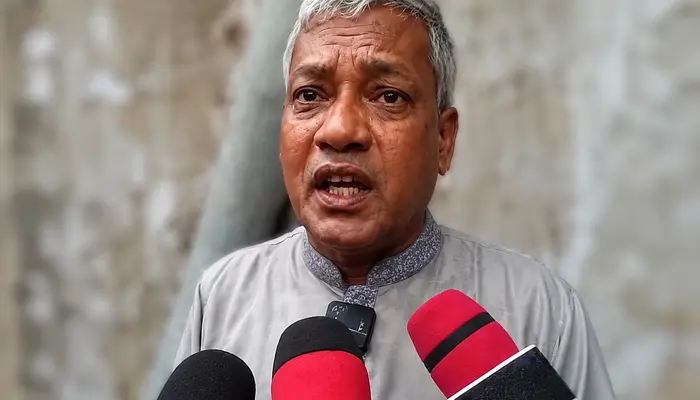
Case Summary
In Bangladesh, the Hindu community was targeted with derogatory remarks by Muslim politician Moniruzzaman Monir, associated with the Bangladesh Nationalist Party (BNP). He called Hindus “bastards” for speaking about the religious persecution of Hindus in Bangladesh following the exile of Sheikh Hasina in August 2024. He also called them unpatriotic, “anti-Bangladesh,” and people of “bad character”. In a video statement recorded during a media interaction, which went viral on social media on 29 August 2026, Moniruzzaman Monir addressed Hindu citizens who spoke about injustice faced by Hindu minorities in Bangladesh. He made inflammatory and derogatory remarks against them, questioned their legitimacy and patriotism, and called for legal action against those he described as “anti-Bangladesh”. Monir stated: “I am saying this: those Hindus who claim that minorities are facing injustice and torture in Bangladesh are bastards.” He further said: “As poet Abdul Hakim previously said, those born in Bengal who cannot love Bengal have doubts about their birth, meaning they are bastards.” He alluded to the 17th-century poet Abdul Hakim and his verse about love for Bengal to question the legitimacy and patriotism of Hindu citizens who spoke about persecution of Hindu minorities. Monir then discussed Bangladesh’s religious demographics and the number of Hindus he characterised as “anti-Bangladesh”. He stated: “Therefore, you will find their numbers to be extremely small. As you know, Muslims make up 93% of Bangladesh, while Hindus make up 7%, which equals around 1 crore 40 lakh. Even 1% of that is 1 lakh 40 thousand. There aren't even 1 lakh 40 thousand anti-Bangladesh Hindus; the number is very negligible, around 10, 15, or 20 thousand.” He subsequently called for action against those he described as “anti-Bangladesh”. He stated: “They must be identified and brought under the law. They are people of bad character and lack patriotism for Bangladesh.” The video statement drew severe backlash and condemnation from human rights groups, Hindu advocacy organisations and civil society members. They warned that such inflammatory language from a political leader could incite hostility and further endanger minority communities in Bangladesh. This incident occurred against the backdrop of a sustained pattern of anti-Hindu violence in Bangladesh, where Hindu minorities have repeatedly faced attacks on their lives, property, places of worship, and religious activities. Since August 2024, reports of violence, intimidation, and targeted hostility against Hindus have increased significantly, creating an atmosphere of insecurity for the community across several parts of the country. The first major wave of attacks followed the fall of Sheikh Hasina's government in August 2024. In the aftermath of the political upheaval, Hindu homes, temples, businesses, and religious institutions were subjected to attacks, arson, looting, vandalism, and mob violence. Hindu neighbourhoods were repeatedly targeted, forcing many families to live in fear of further reprisals. The Hinduphobia Tracker documented 336 incidents of anti-Hindu violence during this period, highlighting the scale and persistence of the targeting faced by the Hindu minority. A second surge of violence emerged following the death of Sharif Osman Bin Hadi in December 2025. Hadi, a Muslim political activist and student leader known for his anti-Hindu and anti-India rhetoric, was killed during clashes in Dhaka on 18 December 2025. In the aftermath, Hindu communities were blamed for his death and became the targets of retaliatory attacks. Hindu homes were selectively identified and set on fire in multiple localities, forcing families to flee and leaving many displaced. The violence displayed a recurring pattern in which Hindu localities, properties, and religious symbols were singled out for attack. Among the victims was Dipu Chandra Das, who was lynched and his body set ablaze by a Muslim mob following false allegations of blasphemy. The Hinduphobia Tracker documented 51 incidents of anti-Hindu violence in the period immediately following Hadi's death. During this period, reports also emerged of public displays of posters and messages calling for the extermination of Hindus. Such rhetoric, when viewed alongside incidents of arson, assault, vandalism, looting, and intimidation, reflected an increasingly hostile environment for the Hindu minority. The repeated targeting of Hindu individuals, families, and religious institutions contributed to a climate of fear and reinforced the perception that Hindus were being singled out because of their religious identity. The third wave of violence followed the 13th National Parliamentary Election in 2026. Within days of the election results being announced, Hindu families in districts including Noakhali, Rangpur, Nilphamari, Sylhet, Thakurgaon, and Dinajpur reported coordinated attacks involving looting, arson, assault, and vandalism. In many cases, Hindu homes and businesses were selectively targeted, property was destroyed, and families were threatened with displacement. The recurrence of such incidents across multiple regions further underscored the precarious position of the Hindu minority and the persistence of anti-Hindu hostility in Bangladesh.
Why it is Hate Crime ?
This case is being added to the tracker under the primary category: Hate speech against Hindus. The subcategory selected is: Anti-Hindu slurs, mocking faith. Anti-Hindu slurs and the deliberate mocking of the Hindu faith owing to religious animosity involve the use of derogatory terms, stereotypes, or offensive references to religious practices, symbols, or figures. One of the common anti-Hindu slurs used against Hindus is “cow-worshipper” and “cow piss drinker”. The intention of using this term is to demean and mock Hindus as a group and their religious beliefs, since Hindus consider the cow holy. Additionally, some symbols and the slurs attached to them have a historical context that exacerbates the insult, hate, stereotyping, dehumanisation and oppression against Hindus. Cow worship has been used for centuries to denigrate Hindus, insult their faith and oppress Hindus specifically as a religious group. There has been overwhelming documentation about how cow slaughter has been used to persecute Hindus, with cow meat being thrown in temples and places of worship. There has also been overwhelming documentation that cow meat (beef) has been force-fed to Hindus to either forcefully convert them to Islam or denigrate their faith. Apart from cow worship, the Swastika – which holds deep religious significance for Hindus – has also been misinterpreted and distorted to be used as a slur against Hindus. Similarly, the worship of the Shivling has been used by supremacist ideologies and religions to denigrate Hindus owing to religious animosity. Such slurs and denigration stem from inherent animosity and hate towards Hindus and their faith; therefore, it is categorised as hate speech targeted at Hindus specifically owing to their religious identity. This case exemplified religiously motivated hate speech, as BNP-associated politician Moniruzzaman Monir deliberately targeted Hindu citizens who spoke about the persecution and mistreatment of Hindus in Bangladesh. He publicly labelled them “bastards” and questioned their birth and legitimacy. His choice to attack the personal identity and dignity of Hindu citizens, rather than address the substance of their concerns, demonstrated that the remarks went beyond criticism of their political views. By directing such a degrading slur at Hindus specifically because they spoke about injustices affecting their religious community, Monir sought to humiliate and delegitimise those raising concerns about Hindu persecution in Bangladesh. The fact that these remarks were made during a recorded media interaction further amplified their reach beyond a private exchange. A separate and significant element of the rhetoric was Monir’s portrayal of Hindus who spoke about persecution as “anti-Bangladesh”, unpatriotic and disloyal. This framing sought to transform the expression of genuine grievances by a religious minority into evidence of hostility towards the nation. By associating Hindu advocacy with disloyalty, he attempted to undermine the credibility of those raising concerns and cast their demands for protection and justice as inherently suspect. This was significant because it placed pressure on Hindu citizens not merely to remain silent, but to avoid speaking about persecution for fear of being characterised as enemies or opponents of Bangladesh. His remarks therefore contributed to the collective stigmatisation of the Hindu community by portraying its members’ grievances as incompatible with national loyalty. Monir subsequently intensified this rhetoric by discussing the number of Hindus he characterised as “anti-Bangladesh” and stating that those individuals should be identified and “brought under the law”. This was significant because he moved from insulting and discrediting Hindu citizens to advocating official action against people whom he had already characterised as disloyal and of “bad character”. His remarks therefore created a progression from religiously targeted humiliation to the portrayal of the Hindu minority as a group requiring identification and state intervention. In the context of a minority community, such rhetoric legitimises hostility, suspicion and discriminatory treatment by portraying those who speak about their community’s grievances as people deserving official scrutiny. As a political figure, Moniruzzaman Monir’s remarks carried greater weight and the potential to influence public attitudes beyond the individuals he directly targeted. By portraying Hindus as “anti-Bangladesh”, unpatriotic and disloyal, he communicated to the Muslim-majority population that members of the Hindu minority who raised concerns about their mistreatment should be viewed with suspicion and hostility. This was particularly significant against the backdrop of violence and insecurity experienced by Hindus in Bangladesh following the exile of Sheikh Hasina in August 2024. In such an environment, rhetoric portraying a vulnerable religious minority as disloyal or hostile to the nation reinforces existing prejudice, legitimises hostility and increases vulnerability to intimidation, harassment and physical attacks. By using his political position to stigmatise Hindu citizens, question their loyalty and call for legal action against those he opposed, Moniruzzaman Monir contributed to a narrative that framed Hindu grievances as a threat to Bangladesh. Such messaging emboldened individuals who already harboured hostility towards Hindus and lowered social barriers against further discrimination and violence, creating greater insecurity for the Hindu community. The combination of religiously targeted humiliation, collective stigmatisation, accusations of disloyalty and calls for punitive action therefore demonstrated deep-seated religious prejudice and constituted a clear case of religiously driven hate crime. Contrary to the narrative that Moniruzzaman Monir implicitly sought to advance by dismissing Hindus who raised concerns about persecution, Hinduphobia Tracker has documented 623 cases of attacks on Hindus in Bangladesh following the exile of Sheikh Hasina in August 2024. These documented incidents demonstrate that violence and persecution targeting Hindus continued during this period. The substantial number of recorded cases provides evidence of an ongoing pattern of attacks against the Hindu community and contradicts the suggestion that concerns about their persecution were merely unfounded accusations. Taken together, Moniruzzaman Monir’s religiously targeted slurs, questioning of the legitimacy of Hindu citizens, portrayal of their grievances as evidence of anti-national conduct, and call for those he labelled “anti-Bangladesh” to be identified and brought “under the law” demonstrated a clear religiously hostile element. His remarks sought to stigmatise Hindu citizens for speaking about persecution affecting their community and to associate such advocacy with disloyalty to Bangladesh. The case therefore meets the Tracker’s parameters for inclusion as a hate-speech incident targeting Hindus. Disclaimer: The Hinduphobia Tracker records incidents based on when an event occurred or when the victim’s ordeal began. None of the media sources covering this case has specified the exact date on which the incident occurred. Therefore, for documentation purposes, the incident has been recorded based on the date on which the remarks were reported in the media, 29 August 2026.


Case Status
Unknown


Perpetrators Details
Perpetrators
Muslim Extremists
Perpetrators Range
One Person
Perpetrators Gender
male
 Sources




