Anti-Hindu hate on display; Muslim cleric makes abusive remarks against Hindu deities
 Jamtara, Jharkhand, India
  20 August, 2026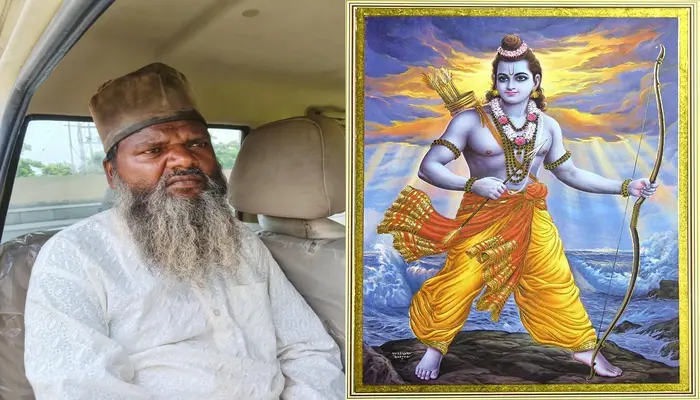
Case Summary
In the Thandardih village of Jamtara district, Jharkhand, derogatory and abusive remarks were made against Hindu deities by a Muslim cleric, Maulana Afroz Alam. According to reports, the accused, Maulana Afroz Alam, recorded a video at a weekly market in Kuruwa village that contained offensive references to Lord Ram, Hanuman, Maa Durga and other Hindu deities. The incident sparked anger among local residents and Hindu organisations, following which representatives of the Vishwa Hindu Parishad and others submitted a written complaint to the Karmatand police. Police subsequently arrested Afroz Alam from Chhaytand on the evening of 21 August 2026. He was taken to Sadar Hospital, Jamtara, for a medical examination before the process of presenting him before the court began. Members of Hindu organisations stated that Afroz had been making derogatory remarks about Hindu deities in local markets and villages for some time and had also been using abusive language while promoting Islam. They said complaints had previously been submitted to the authorities regarding his conduct. As of the date of writing this report, the case remained under investigation, while authorities appealed to residents to maintain peace and refrain from spreading unverified information.
Why it is Hate Crime ?
This case is being added to the tracker under the primary category: Hate Speech against Hindus. The subcategory selected is: Anti-Hindu slurs, mocking faith. Anti-Hindu slurs and the deliberate mocking of the Hindu faith owing to religious animosity involve the usage of derogatory terms, stereotypes, or offensive references to religious practices, symbols, or figures. One of the common anti-Hindu slurs used against Hindus is “cow-worshipper” and “cow piss drinker”. The intention of using this term is to demean and mock Hindus as a group and their religious beliefs since Hindus consider the cow holy. Additionally, some symbols and the slurs attached to them have a historical context that exacerbates the insult, hate, stereotyping, dehumanisation and oppression against Hindus. Cow worship has been used for centuries to denigrate Hindus, insult their faith and oppress Hindus specifically as a religious group. There has been overwhelming documentation about how cow slaughter has been used to persecute Hindus with cow meat being thrown in temples and places of worship. There has also been overwhelming documentation where cow meat (beef) has been force-fed to Hindus to either forcefully convert them to Islam or denigrate their faith. Apart from cow worship, the Swastika – which holds deep religious significance for the Hindus – has also been misinterpreted and distorted to use as a slur against Hindus. Similarly, the worship of the Shivling has been used by supremacist ideologies and religions to denigrate Hindus owing to religious animosity. Such slurs and denigration stem out of inherent animosity and hate towards Hindus and their faith, therefore, it is categorised as hate speech targeted at Hindus specifically owing to their religious identity. The creation and circulation of derogatory remarks targeting Hindu deities by the Muslim cleric constituted a direct attack on the religious beliefs and sacred figures of the Hindu community. The accused specifically directed abusive and indecent language towards revered Hindu deities, including Lord Ram, Hanuman and Maa Durga, rather than making a generic offensive statement. The deliberate selection of figures central to Hindu worship demonstrated that the hostility was directed at the Hindu faith and its religious identity. Hindu deities occupy a foundational place in Hindu religious life and represent the spiritual beliefs, devotional practices and traditions of Hindu devotees. Gods and goddesses are not merely cultural figures; they are worshipped through prayers, rituals, festivals and other established religious practices. Derogatory references to such figures therefore demean the sacred objects of Hindu devotion and, by extension, the religious faith of the Hindus who revere them. The conduct fell within anti-Hindu slurs and mocking of faith because the objectionable remarks specifically demeaned Hindu religious figures. Such expressions turn sacred elements of Hinduism into objects of insult and ridicule and attack the religious sentiments attached to those figures. The fact that the remarks were serious enough to result in a public protest by hundreds of Hindu devotees further demonstrated the collective religious impact of the conduct. The remarks were made publicly at a rural market and subsequently circulated through social media, extending the reach of the anti-Hindu content beyond the immediate setting in which it was made. The effect of such speech extended beyond the immediate persons who heard or encountered the remarks. When Hindu deities are publicly insulted, the conduct degrades religious symbols that are shared across the Hindu community and contributes to an environment in which Hindu beliefs and sacred figures are treated with contempt. Public denigration of revered Hindu figures therefore affects the dignity with which Hindus can practise and express their faith. By directing abusive language at Lord Ram, Hanuman, Maa Durga and other Hindu deities, the accused's conduct specifically attacked the sacred beliefs and religious identity of Hindus. The public nature of the remarks and their subsequent circulation amplified the insult and exposed Hindu religious figures to wider ridicule. The incident therefore constituted hate speech against Hindus under the subcategory of anti-Hindu slurs and mocking of faith, as the religious identity of the targets was central to the offensive conduct.


Case Status
Arrested


Perpetrators Details
Perpetrators
Muslim Extremists
Perpetrators Range
One Person
Perpetrators Gender
male
 Sources




