Hindu sentiments hurt after Muslim student circulates iconoclastic video of Lord Hanuman in Mumbai, Maharashtra
 Mumbai, Maharashtra, India
  1 August, 2026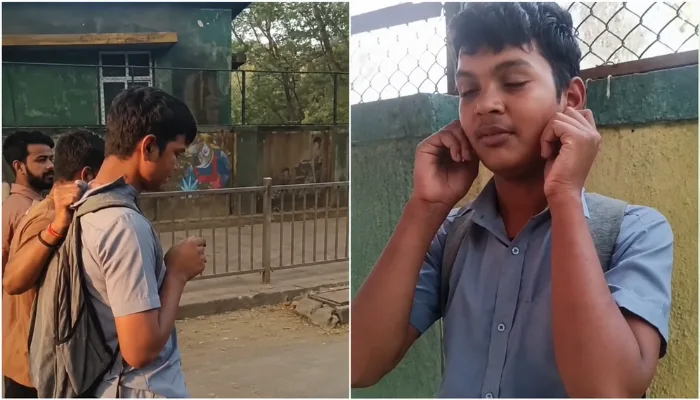
Case Summary
In Mumbai, Maharashtra, Hindu religious sentiments were hurt after a Muslim youth studying in an ITI, identified as Arman Sheikh, created and circulated an iconoclastic image of Lord Hanuman, thereby digitally altering a revered Hindu religious representation. In the edited image, the traditional "Sita-Ram" inscription depicted within Lord Hanuman's heart was replaced with Islamic symbols. The edited image was circulated on social media. After the undated video went viral, members of Bajrang Dal confronted Arman Sheikh regarding the image. During the confrontation, Arman Sheikh apologised for his actions, sought forgiveness, and stated that it was his first and last mistake. Members of Bajrang Dal subsequently handed him over to the police for further legal action.
Why it is Hate Crime ?
The primary category for this case is: Attack on Hindu religious representations. The first subcategory for this case is: Iconoclastic representation of Hindu Gods/Goddesses. An icon is a symbol of someone or something that is revered, or a religious representation of a spiritual ideal. Iconography is of vital significance in the Hindu milieu. It helps connect people’s spiritual beliefs with the real world. Iconography within the Hindu faith takes several shapes and forms. Murtis are of most significance to Hindus, to which daily rituals, prayers and offerings are done. Besides the murtis, there are several other symbols which have deep significance in the Hindu faith – the Om and Swastika for example. Any iconoclastic representation of these symbols, images and murtis is an affront to the religious beliefs and faith of the Hindu community itself since the symbols and icons are deeply religious in nature. In this sub-category of crime, we would record hate crimes and iconoclastic representations, in words, art, or any other form of representation of symbols that hold religious significance for the Hindu community. Since these symbols, icons and murtis are central to the Hindu faith, any iconoclastic representation of these symbols is born out of animosity towards the faith itself, manifesting itself through these symbols, and therefore, these representations would be considered religiously motivated hate crimes. This case has been included because the incident involved an iconoclastic alteration of a revered Hindu deity and the replacement of sacred Hindu religious elements with symbols associated with another religion. Lord Hanuman occupies a central place in Hindu worship and devotion, and traditional depictions of him revealing "Sita-Ram" within his heart symbolise his unwavering devotion to Lord Ram and Goddess Sita. Altering this sacred image by replacing "Sita-Ram" with Islamic symbols directly changed the religious meaning of an iconic Hindu representation and interfered with a deeply revered expression of Hindu faith. Such an act constitutes an attack on a sacred Hindu religious representation and, therefore, qualifies as a religiously motivated hate incident. In Hindu tradition, Lord Hanuman tearing open his chest to reveal Lord Ram and Goddess Sita inside his heart is the ultimate symbol of Ananya Bhakti (unwavering, selfless devotion) and spiritual purity. The iconic act demonstrates that true divine presence is not found in material gifts such as the pearl necklace given to him by Goddess Sita but within the core of one's own spiritual heart (Hridaya). By showing that Ram (representing Supreme Consciousness) and Sita (representing Divine Grace) were physically and spiritually embedded in his chest, Hanuman exemplified that a true devotee’s mind, body, and soul are completely merged with the Divine, serving as a reminder that God ultimately resides within every living being. The act went beyond creating or sharing an edited image. It involved modifying a widely recognised depiction of Lord Hanuman in a manner that displaced one of the most sacred elements of Hindu iconography. Religious icons and visual representations are integral to Hindu worship and carry profound spiritual significance for devotees. Replacing the divine symbols associated with Lord Hanuman's devotion with symbols of another religion altered the sanctity of the image and hurt Hindu religious sentiments by presenting a distorted representation of a revered Hindu deity. By distorting sacred images into objects of ridicule or vulgarity, the perpetrator engaged in a form of hate speech that fosters division, incites hostility, and violates the right of a community to practice its faith with dignity. This behaviour is rarely accidental or uninformed; in fact, it is rooted in Islamic supremacy, a mindset that regards non-Islamic faiths, especially idol-worshipping religions like Hinduism, as inferior or impure. In Islam, idol worship (shirk) is considered the gravest sin, and this belief often fuels contempt toward traditions that venerate deities through idols. As a result, Hindu gods and goddesses are frequently targeted for mockery, their rituals disrespected, and their followers treated with disdain. The sexualisation or vulgar misrepresentation of Hindu goddesses, therefore, is not just an offensive act—it is a deliberate expression of religious hatred, driven by a supremacist ideology that seeks to demean and delegitimise Hindu beliefs. These statements were not born of ignorance but reflect an ingrained hostility aimed at humiliating Hindus and their faith. The conduct of the Muslim perpetrator demonstrated a deliberate decision to alter a sacred Hindu image rather than engage with it respectfully. The edited image specifically targeted a recognised Hindu religious representation and substituted its central religious symbolism with imagery belonging to another faith. By choosing a revered Hindu deity and modifying one of the most significant aspects of that iconography, the act displayed disregard for the sanctity of Hindu religious symbols and transformed a sacred image into an object of distortion and ridicule. Incidents of this nature have a wider impact because Hindu deities and their religious representations are objects of worship for millions of devotees. Iconoclastic alterations of sacred images undermine the dignity of Hindu religious symbols and cause distress among worshippers who regard such depictions as manifestations of the divine. Documenting such incidents helps record attacks directed against Hindu religious representations and the sentiments attached to them. For this reason, this incident has been included in the tracker. Disclaimer: The Hinduphobia Tracker records incident dates based on when an incident occurred rather than when it was published. In this case, the exact date of the incident could not be independently established from the available information. Since the incident came to light through social media posts published on 2 July 2026, that date has been recorded as the incident date solely for documentation purposes.


Case Status
Complaint filed


Perpetrators Details
Perpetrators
Muslim Extremists
Perpetrators Range
One Person
Perpetrators Gender
male
 Sources




