Hindu family assaulted and robbed by armed gang in Feni, Bangladesh against a continuing climate of anti-Hindu hostility
 Feni District, Bangladesh
  8 July, 2026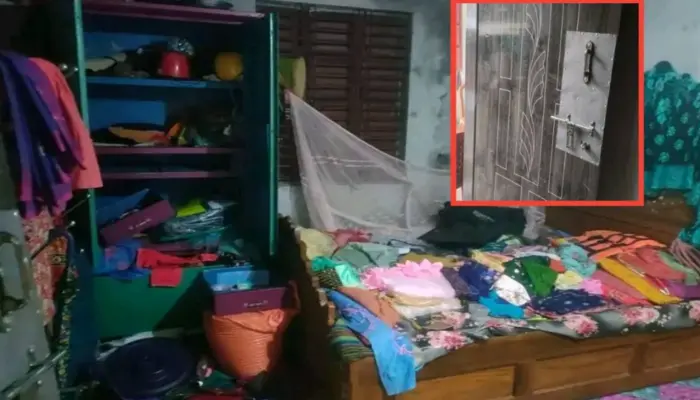
Case Summary
A Hindu family was robbed and assaulted during an organised robbery at their residence in Maheshwar village under Char Chandia Union in Sonagazi Upazila of Feni, Bangladesh. The incident occurred on the night of 9 July 2026. The victims were the family of Haradhan Das, a Hindu expatriate, including the household of his son, Sabuj Das, who works in Oman. The attack targeted their newly constructed home. The gang of robbers forcibly entered the house late at night and brutally assaulted the family members before looting several bags containing gold ornaments, cash and other valuable belongings. The violent attack left the family traumatised and created an atmosphere of fear in the locality. The incident triggered widespread concern among local residents, who demanded the swift identification and arrest of those responsible and called for exemplary punishment. Locals also urged the Sonagazi Upazila administration and law enforcement agencies to take immediate action. At the time of reporting, no official statement had been issued by the relevant authorities regarding the incident.
Why it is Hate Crime ?
This case is added to the tracker under the primary category – Attack not resulting in death. The subcategory selected is – Attacked for Hindu identity. In several cases, Hindus are attacked merely for their Hindu identity without any perceived provocation. A classic example of this category of religiously motivated hate crime is a murder in 2016. Seven ISIS terrorists were convicted for shooting a school principal in Kanpur because they were triggered by the Kalava on his wrist and the tilak he had applied. In that case, the Hindu victim had offered no provocation other than openly expressing his Hindu religious identity. The motivation for the attack was purely religious, driven by religious supremacy. Such cases where Hindus are targeted merely because of their religious identity are documented as hate crimes under this category. In this case, a Hindu family was subjected to a violent robbery at their residence in Sonagazi Upazila of Feni, Bangladesh. The assailants forcibly entered the family's home late at night, brutally assaulted the Hindu family, and looted gold ornaments, cash, and other valuables. In the prevailing environment of anti-Hindu hostility and insecurity in Bangladesh, this incident aligns with the broader pattern of violence, intimidation, and victimisation experienced by vulnerable Hindu minorities. While some may argue that the available information describes the incident as a robbery and does not explicitly establish a religious motive, the broader context of anti-Hindu persecution in Bangladesh remains relevant for classification. During periods of sustained violence against Hindus based on religious identity, the Hinduphobia Tracker applies a contextual presumption that attacks on Hindu victims are likely faith‑targeted, even when the immediate report does not record a specific religious marker. In such periods, the normalisation of religious hostility and the dehumanisation of minorities can contribute to crimes against them without perpetrators openly stating a motive. For the purpose of documenting the 2024 to 2026 ethnic cleansing of Hindus in Bangladesh and the subsequent persecution after the political exile of Sheikh Hasina, the death of Sharif Osman Hadi, and the 13th National Parliamentary Election 2026, the Hinduphobia Tracker records such incidents as likely religiously motivated at the point of entry. If any case is later established through credible investigation or court findings to stem from motivations other than religious hostility, it will be revised or removed from the hate crime database. The violent nature of the incident, involving the forced entry into the home of a Hindu family, the physical assault of family members, and the looting of gold ornaments, cash, and other valuables, extended beyond the loss of property and contributed to a heightened sense of insecurity within the local Hindu community. Violent home invasions against members of a vulnerable religious minority carry a significant psychological impact, reinforcing fears regarding personal safety, security of property, and the ability of Hindu families to live without intimidation. Such attacks are particularly alarming because they occur within the supposed safety of the victims' own homes and can create lasting fear among similarly situated Hindu households. This incident must also be viewed within Bangladesh's broader anti-Hindu environment, where Hindu minorities have repeatedly faced insecurity, intimidation, extortion, land-grabbing attempts, targeted violence, and attacks that are frequently attributed to ostensibly non-religious motives such as robbery, criminal activity, or personal disputes. In many instances, such explanations can obscure the possibility of underlying religious hostility and divert attention from the wider pattern of persecution experienced by Hindu communities. The assault and robbery inflicted upon this Hindu family therefore contributed to the climate of fear and reinforced the continuing vulnerability of Hindus living in Bangladesh, irrespective of whether the perpetrators explicitly articulated a religious motive. Given the prevailing anti-Hindu persecution environment in Bangladesh and the continuing pattern of violence affecting vulnerable Hindu minorities, this case meets the threshold for inclusion in the Hinduphobia Tracker's hate crime database. Disclaimer: The Hinduphobia Tracker acknowledges that the incident may have involved multiple victims, as the available reports state that several family members were assaulted during the robbery. However, only two victims, Haradhan Das and Sabuj Das, have been explicitly identified in the available sources. Accordingly, to maintain consistency with the Tracker's evidentiary standards, the victim count has been recorded as 2. This figure reflects only the number of explicitly identified victims and does not preclude the possibility that additional family members were also affected.


Case Status
Unknown


Perpetrators Details
Perpetrators
Unknown
Perpetrators Range
Unknown
Perpetrators Gender
unknown
 Sources




