Hindu sentiments outraged; Muslim man makes derogatory remarks against revered Hindu king in Maharashtra
 Pune, Maharashtra, India
  19 June, 2026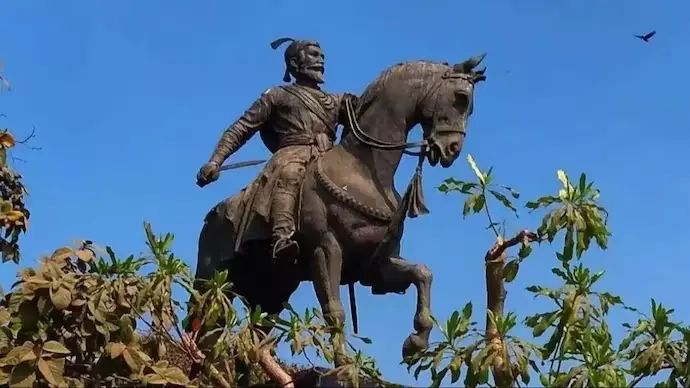
Case Summary
In Pune, Maharashtra, Hindu sentiments were outraged after a Muslim man named Afsar Ali made derogatory remarks against Chhatrapati Shivaji Maharaj, the revered Hindu king of the Maratha Empire. According to media reports, the accused made offensive comments about Chhatrapati Shivaji Maharaj on social media, after which members of the Vishva Hindu Parishad and the Bajrang Dal, two Hindu organisations, apprehended him. He was subsequently thrashed by Hindu activists, and a video of the incident went viral on social media. In the same video, the accused, Afsar Ali, was seen admitting his mistake. He said, “Yes, I abused Shivaji Maharaj. I am sorry. I will not do this from next time.” Following this, the police were alerted about the incident and initiated a detailed investigation.
Why it is Hate Crime ?
The primary category selected in this case is- Hate Speech against Hindus. The subcategory selected is- Mocking/denigrating Hindu leaders. Hate speech is defined as any speech, gesture, conduct, writing, or display that is prejudicial against a specific individual and/or group of people, which is leading to or may lead to violence, prejudicial action or hate against that individual and/or group. Religious leaders are often seen as representatives of the community, especially, the community’s religious faith and beliefs. Mocking or denigrating a religious leader specifically owing to his religious identity and/or the religious rituals he observes can be considered hate speech because the motivating factor of the speech is animosity and/or dislike for what he represents – the religious beliefs and faith of the community. It is important to note that mere insulting words against an individual do not constitute hate speech. It is entirely possible that insulting words are used for an individual, however, the specific speech is not the result of religious hate and/or animosity towards the professed faith of the religious leader, but the individual himself. For the speech to be considered hate speech, the speech itself or the motivating factor behind the speech has to be religious in nature. Such speech which denigrates Hindu religious leaders specifically owing to animosity towards the faith they profess and the community faith they represent will be treated as hate speech under this category. This incident constituted a direct expression of hostility towards the Hindu community and their revered leaders/kings. By making derogatory remarks against Chhatrapati Shivaji Maharaj, the Muslim accused targeted one of the most revered figures in Hindu history. Shivaji Maharaj is widely respected as a protector of the Hindu faith, a defender of religious freedom, and the founder of the Maratha Empire. Insulting such a revered historical and religious figure was not merely a personal opinion but an act that offended the sentiments of the Hindu community and provoked Hindus who regard him with deep respect and reverence. Chhatrapati Shivaji Maharaj occupies a unique place in the collective consciousness of Hindus, particularly in Maharashtra, where he is honoured as a symbol of courage, self-rule, and resistance against the oppressive rule of Islamic invaders in the history of India. Derogatory remarks directed at him amount to an attack on a figure who represents Hindu pride, heritage, and identity. Such statements cause significant distress and outrage among members of the Hindu community. They also wound the religious and cultural sentiments of Hindus by insulting a revered historical figure whose legacy is deeply connected with the preservation of Hindu traditions, values, and civilisational heritage. The denigration of such a widely respected Hindu icon is an expression of hostility towards Hindu symbols, historical figures, and the community's collective identity, thereby deepening feelings of hurt, resentment, and alienation among Hindus. The accused chose to make these offensive remarks publicly on social media, thereby ensuring that the content reached a wider audience. The public nature of the abuse amplified its impact and increased its potential to inflame communal tensions and hurt the religious sentiments of Hindus. The widespread circulation of the content further contributed to public outrage and unrest. Taken together, these actions demonstrated deliberate disrespect towards a figure deeply venerated by Hindus. The remarks were not directed at a political issue or historical debate but at a revered Hindu icon whose legacy continues to hold profound religious, cultural, and civilisational significance for millions of Hindus. This incident was not merely offensive content posted on social media; it involved the public denigration of a revered Hindu figure in a manner that caused widespread outrage among Hindus. Therefore, this case is being added to the hate crime database of the Hinduphobia Tracker. Disclaimer: The Hinduphobia Tracker records incident dates based on when the underlying incident occurred rather than when it was first reported in the media. In this case, media reports did not specify the exact date on which the incident took place. The earliest media report concerning the incident appeared on 22 June 2026. However, videos and details of the incident had already surfaced on social media on 20 June 2026. Accordingly, 20 June 2026 has been recorded as the indicative date of the incident. This date has been assigned solely for documentation and archival purposes in the absence of a confirmed incident date.


Case Status
Unknown


Perpetrators Details
Perpetrators
Muslim Extremists
Perpetrators Range
One Person
Perpetrators Gender
male
 Sources




