Hindu beliefs targeted through repeated denigration by newly appointed leftist political spokesperson of Cockroach Janta Party
 India
India  2 June, 2026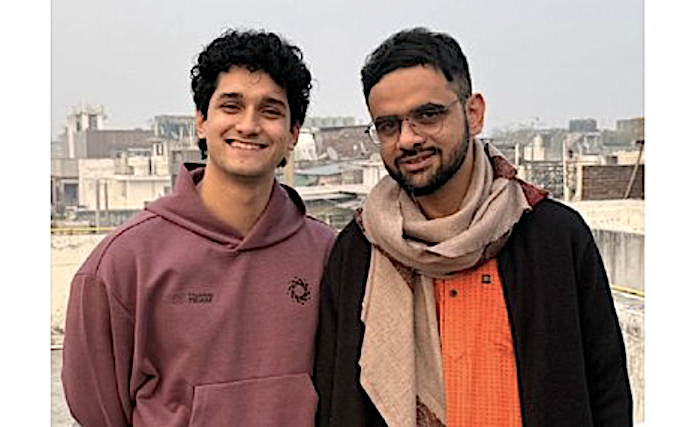
Case Summary
Hindu community found itself at the centre of a public controversy after political commentator and newly appointed chief spokesperson Saurav Das came under criticism for a series of statements, articles, and social media posts that many Hindus viewed as hostile towards their religious identity, symbols, slogans and political aspirations. He made insulting remarks against Ram Mandir, supported Umar Khalid, who was incarcerated for the 2020 Delhi anti-Hindu pogroms and falsely portrayed a Hindu religious slogan as a symbol of hostility. The controversy gained renewed attention on 3rd June 2026 when Das announced that he had joined the Cockroach Janta Party (CJP) as its Chief Spokesperson. His appointment brought renewed scrutiny to his previous public interventions, which critics argued demonstrated sustained opposition to Hindu religious sentiments and concerns. Over several years, Hindu religious concerns featured prominently in Das's public commentary. One of the most significant examples concerned the Ram Mandir movement. Das publicly criticised the Ram Mandir judgment and the reconstruction process, and described 6th December 2024 as a "sad day" in Indian history, referring to the demolition of the Babri structure. For many Hindus, the Ram Mandir represented the restoration of one of the most sacred sites associated with Bhagwan Ram and held immense civilisational, religious, and cultural significance. His comments, therefore, attracted criticism from Hindu groups who viewed them as dismissive of long-standing Hindu religious aspirations connected to the site. Das also wrote extensively about the abrogation of Article 370 and criticised the constitutional changes made in Jammu and Kashmir. During 2023, he approvingly quoted remarks made by Pakistan's Chief Justice regarding India's handling of Article 370 and described the abrogation as a grave assault on the Constitution. He further stated that any judicial endorsement of the measure would signify the Supreme Court's downfall. He also compared the anticipated verdict with the Ram Mandir judgment. His writings and social media posts consistently portrayed post-2019 developments in Jammu and Kashmir through the lens of state excesses and democratic decline, while expressing concerns regarding anti terrorism investigations and detentions. Das also publicly expressed support for Umar Khalid, who remained incarcerated in connection with the larger conspiracy case linked to the 2020 Delhi riots. He described the charges against Khalid as false and frivolous, referred to him as brave, and organised public discussions highlighting what he described as injustice in Khalid's incarceration. He further questioned the use of anti-terror legislation in a range of cases connected to national security investigations. Another source of controversy arose from Das's writings concerning Islamist figures and organisations. He authored a piece discussing the killing of Atiq Ahmed, in which he referred to him as a Muslim former Member of Parliament and raised concerns regarding his death. In the same article, he wrote that the chant "Jai Shri Ram" had become a war cry used by Hindu groups against India's Muslim minority. The characterisation of a widely used Hindu religious chant in this manner generated strong criticism from Hindus who regarded the slogan as an expression of devotion to Bhagwan Ram rather than a symbol of hostility. Das also faced criticism for articles and commentary concerning Hamas and broader Middle Eastern conflicts. Critics pointed to his writings and public positions as demonstrating sympathy towards narratives associated with Islamist organisations while simultaneously portraying Hindu religious and political expressions in a negative light. His work for publications such as Al Jazeera, The Wire, Frontline, Article 14, The Caravan, and other media outlets became part of the wider debate surrounding his public positions. The controversy intensified further after his appointment as chief spokesperson on 3rd June 2026. Opponents circulated previous articles, social media posts, interviews, and public statements to argue that his record demonstrated sustained hostility towards Hindu causes. Supporters defended his positions as political commentary and journalism, while critics maintained that his repeated criticism of Hindu religious symbols, Hindu political concerns, and Hindu cultural aspirations reflected a pattern that disproportionately targeted the Hindu community. The matter remained a public and political controversy. No criminal proceedings, arrests, or formal investigations emerged from the statements cited in relation to this controversy. The discussion continued largely through media coverage, political commentary, social media debate, and public criticism following Das's appointment as chief spokesperson.
Why it is Hate Crime ?
This case has been added to the tracker under the primary category of - Hate speech against Hindus. Within it, the sub-category selected is - Anti-Hindu subversion and prejudice. Hate speech is defined as any speech, gesture, conduct, writing, or display that is prejudicial against a specific individual and/or group of people, which is leading to or may lead to violence, prejudicial action or hate against that individual and/or group. Media plays a specific and overarching reach in perpetuating prejudicial attitudes towards a community owing to unfair, untrue coverage and/or misrepresentation/misinterpretation, selective coverage and/or omission of facts of/pertaining to issues affecting a specific religious group. This type of bias can dehumanise the victim group, making it easier for others to justify harmful actions against them, which aligns with the objectives of hate speech laws aimed at preventing such harm. It is often observed that the media takes a prejudicial stand against the Hindu community driven by their need to shield the aggressor community which happens to be a numeric minority, however, is the one perpetrating violence against Hindus. For example, the media is often quick to contextualise religiously motivated crimes against Hindus, omit or misrepresent facts that point towards religiously motivated hate crimes, justify and/or downplay religiously motivated hate crimes or simply present fake news to stereotype Hindus. Such media bias leads to the denial of persecution and is often used to dehumanise Hindus, leading to justification for violence against them. For example, the media covered several fake allegations of Hindus targeting Muslims and forcing them to chant Jai Shree Ram. Most of these cases were proved false and fabricated after police investigation. These fake news reports were subsequently never retracted or clarified. Such fake news led to the justification of violence and dehumanisation of Hindus based on the argument that since Hindus targeted Muslims and forced them to chant Jai Shree Ram, the dehumanisation of Hindus and violence against them was par for the course and merely a retaliation. Such media bias leads to prejudicial portrayal of Hindus and offers a justification for violence against them and therefore, is considered hate speech under this category. Another sub-category selected for this case is - Anti-Hindu slurs, mocking faith. Anti-Hindu slurs and the deliberate mocking of the Hindu faith owing to religious animosity involve the usage of derogatory terms, stereotypes, or offensive references to religious practices, symbols, or figures. One of the common anti-Hindu slurs used against Hindus is “cow-worshipper” and “cow piss drinker”. The intention of using this term is to demean and mock Hindus as a group and their religious beliefs since Hindus consider the cow holy. Additionally, some symbols and the slurs attached to them have a historical context that exacerbates the insult, hate, stereotyping, dehumanisation and oppression against Hindus. Cow worship has been used for centuries to denigrate Hindus, insult their faith and oppress Hindus specifically as a religious group. There has been overwhelming documentation about how cow slaughter has been used to persecute Hindus with cow meat being thrown in temples and places of worship. There has also been overwhelming documentation where cow meat (beef) has been force-fed to Hindus to either forcefully convert them to Islam or denigrate their faith. Apart from cow worship, the Swastika – which holds deep religious significance for the Hindus – has also been misinterpreted and distorted to use as a slur against Hindus. Similarly, the worship of the Shivling has been used by supremacist ideologies and religions to denigrate Hindus owing to religious animosity. Such slurs and denigration stem out of inherent animosity and hate towards Hindus and their faith, therefore, it is categorised as hate speech targeted at Hindus specifically owing to their religious identity. This case has been included in the Hinduphobia Tracker because it involved a sustained pattern of public commentary that portrayed Hindu religious symbols, Hindu causes, and Hindu civilisational aspirations in a consistently negative manner. The issue was not limited to disagreement with specific political decisions or public policies. Rather, the recurring theme across Saurav Das's statements was the framing of Hindu religious expression, Hindu movements, and concerns important to Hindu society as inherently suspect, dangerous, or undesirable. Such conduct went beyond ordinary political criticism and reflected a pattern of prejudice directed towards Hindu identity itself. The anti-Hindu nature of the conduct is evident from the repeated targeting of issues that hold deep religious and cultural significance for Hindus. The Ram Mandir movement, the chant "Jai Shri Ram", and broader Hindu political and religious concerns occupy an important place in the collective consciousness of millions of Hindus. For many Hindus, these are not merely political issues but expressions of faith, civilisational continuity, and religious identity. By repeatedly portraying such symbols and movements in a negative light, while showing considerably greater sympathy towards causes associated with Islamist figures and narratives, Saurav Das demonstrated a pattern of selective hostility directed towards Hindu interests. The repeated focus on discrediting Hindu religious aspirations while amplifying narratives hostile to those aspirations reflects a broader prejudice against Hindu identity and its public expression. This pattern is significant because prejudice against a religious community often manifests not through direct attacks on individuals but through the systematic delegitimisation of the symbols, beliefs, and causes that are important to that community. When sacred symbols, religious movements, and cultural aspirations associated with one faith are persistently framed as problematic, regressive, or threatening, it creates an environment where hostility towards that community becomes normalised. In this case, the repeated negative portrayal of Hindu causes contributed to the stigmatisation of Hindu religious expression and reinforced narratives that treated Hindu concerns as inherently less legitimate than those of other communities. The hostility became even more apparent through Saurav Das's remarks regarding the chant "Jai Shri Ram". For Hindus, "Jai Shri Ram" is one of the most widely recognised devotional expressions, invoking Bhagwan Ram and serving as a religious affirmation of faith, reverence, and spiritual identity. By characterising this sacred chant as a "war cry" against Muslims, he transformed a revered religious expression into a symbol of aggression and hostility. Such a portrayal did not merely criticise the misuse of a slogan in specific circumstances; it attached a negative and threatening connotation to a chant that millions of Hindus use as an expression of devotion. In doing so, it stigmatised a core element of Hindu religious identity and contributed to the demonisation of a widely practised Hindu expression of faith. Similarly, his repeated criticism of the Ram Mandir movement and his description of 6th December 2024 as a "sad day" further reflected a dismissive attitude towards a cause that carries profound religious significance for Hindus. For Hindus globally, Ayodhya remains the birthplace of Lord Rama and one of the seven most sacred sites for attaining Moksha (spiritual liberation). The temple, on the other hand, represents a hard-fought, nearly 500-year struggle. It signifies the resilience of Hindus in reclaiming their heritage, overturning colonial narratives, and restoring cultural pride. Publicly framing developments connected to this issue in exclusively negative terms while disregarding its immense spiritual significance to Hindus demonstrated a lack of respect towards deeply held Hindu religious sentiments. Such remarks contributed to the marginalisation of Hindu religious aspirations and reinforced narratives that portrayed Hindu faith-based causes as illegitimate or undesirable. Taken together, the repeated negative portrayal of Hindu symbols, Hindu movements, and Hindu religious expressions, combined with the stigmatisation of sacred chants and the dismissal of issues of profound significance to Hindus, established a clear pattern of anti-Hindu prejudice. The conduct was directed not merely at political positions but at symbols and expressions intrinsically linked to Hindu faith and identity. As a result, the incident represents an example of anti-Hindu subversion, prejudice, and the mocking of Hindu religious expression, warranting its inclusion in the Hinduphobia Tracker.


Case Status
Unknown


Perpetrators Details
Perpetrators
Others
Perpetrators Range
One Person
Perpetrators Gender
male
 Sources




