Hindu temple desecrated, idols of Lord Shiva, Goddess Parvati, and Lord Ganesha vandalised in Bihar's Sitamarhi
 Sitamarhi, Bihar, India
  31 May, 2026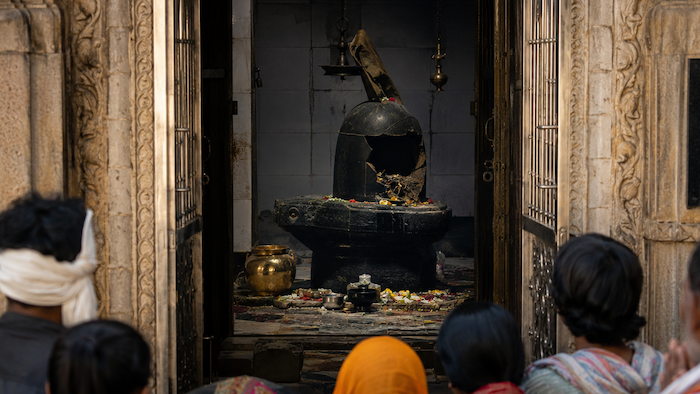
Case Summary
A Hindu place of worship in Sitamarhi, Bihar, became the target of vandalism after sacred idols installed within a Shiva temple were found damaged. Hindu devotees discovered that idols of Lord Shiva, Goddess Parvati, and Lord Ganesha had been desecrated inside the temple situated on the banks of the Lalbakeya River in the Bairgania area. The incident caused immediate concern among local Hindu residents and devotees who regularly visited the temple for worship and religious observances. The Shiva temple had long served as a place of prayer and devotion for the local Hindu community. During the incident, the idols representing Lord Shiva, Goddess Parvati, and Lord Ganesha were damaged within the temple premises. The vandalism was directed specifically at sacred Hindu religious representations installed for worship inside the temple. The damage was confined to the idols associated with the Hindu faith, making the temple and its religious symbols the central focus of the attack. The incident came to light in the morning when Hindu devotees and local residents became aware of the idols' condition. News of the desecration quickly spread through the surrounding villages and among followers of Sanatan Dharma. Hindu devotees gathered at the temple after learning that the sacred images had been vandalised. The discovery generated anger and concern among local Hindus because the damaged idols were objects of religious reverence and formed an important part of the temple's worship practices. As more residents arrived at the site, community members inspected the damaged idols and observed the extent of the destruction. Villagers, devotees, and temple visitors remained present at the temple premises as information about the incident circulated throughout the area. Local residents discussed the damage and expressed concern over the targeting of a Hindu place of worship and the sacred images installed within it. Following the discovery, police personnel from Bairgania Police Station reached the temple premises and secured the area. Officers inspected the damaged idols, examined the scene, and gathered information from local residents, temple priests, and individuals living near the temple. The police initiated an investigation into the vandalism and began efforts to identify those responsible. Authorities stated that technical inputs and local intelligence were being used to trace the perpetrators and that legal action would be taken once they were identified. At the time of reporting, the investigation remained ongoing, and the perpetrators had not been identified.
Why it is Hate Crime ?
This case has been added to the tracker under the primary category - Attack on Hindu religious representations. The subcategory selected within this is - Desecration of Hindu religious symbol. Icons and symbols or a religious representation of a spiritual ideal are widely revered in Hinduism. Iconography is of vital significance in the Hindu milieu. It helps connect people’s spiritual beliefs with the real world. Iconography within the Hindu faith takes several shapes and forms. Murtis are of most significance to Hindus, to which daily rituals, prayers and offerings are done. Besides the murtis, there are several other symbols which have deep significance in the Hindu faith – the Om and Swastika for example. Since these Hindu religious symbols hold paramount importance in Hinduism, any desecration of symbols, icons, murtis, religious representations and manifestations, is driven by animosity towards the faith itself which manifests itself through these murtis, icons and symbols. Therefore, any desecration of these Hindu religious symbols and representations is considered religiously motivated hate crimes under this category. The other subcategory is- Attack on Temples. In Hinduism, a temple is the abode of the Deity. The Deity in the Temple is consecrated, thereby, making it a real, breathing entity. Hindus believe that not just the Deity but the temple premises itself are sacred to Hindus since Hindus hold the faith that the entire Temple space is an amalgamation of the divine energy of the deity. Given the central significance of Temples in Hindu Dharma, any attack against a Hindu Temple or its peripheral premises is an attack on the faith itself and is born out of animosity towards the faith, of which, the Temple is a central tenet. Any manner of attack against a Temple and/or its premises would therefore be considered a religiously motivated hate crime. This case qualified as a religiously motivated hate crime because the perpetrators deliberately targeted sacred Hindu idols housed within a functioning temple. The attack was directed not at ordinary property but at religious representations that hold deep spiritual significance for Hindu devotees. The idols of Lord Shiva, Goddess Parvati, and Lord Ganesha are central objects of worship and devotion, serving as visible manifestations through which devotees express faith, perform rituals, and maintain a connection with the divine. By selecting these specific religious representations for vandalism, the perpetrators targeted symbols that are inseparable from Hindu religious identity and worship. The act, therefore, carried a clear religious dimension, as its impact derived directly from the deities' sacred status and the reverence they commanded among Hindu devotees. It is important to mention here that, though the last update was that the miscreants were unknown, the action stemmed from hatred against Hinduism and resulted in the desecration of the sacred idols and would therefore be considered a religiously motivated hate crime. Disclaimer: The available sources did not specify the exact date of the incident. As the article was published on 1st June 2026, this date has been used as the incident date in the Hinduphobia Tracker for documentation purposes only.


Case Status
Unknown


Perpetrators Details
Perpetrators
Unknown
Perpetrators Range
Unknown
Perpetrators Gender
unknown
 Sources




