Hindu religious sentiments insulted as government employee makes derogatory remarks about Hindu deities and religious leaders
 Durg, Chhattisgarh, India
  7 May, 2026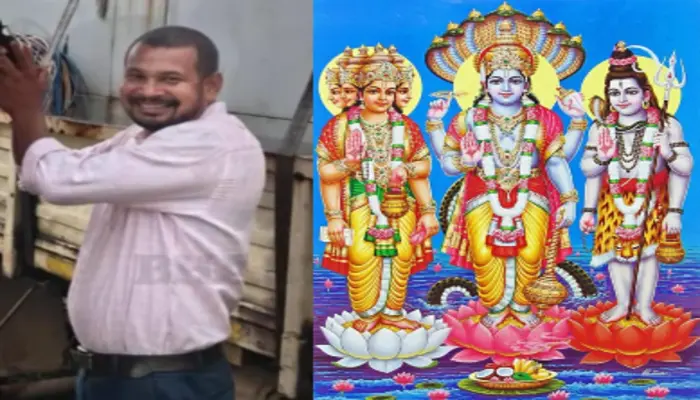
Case Summary
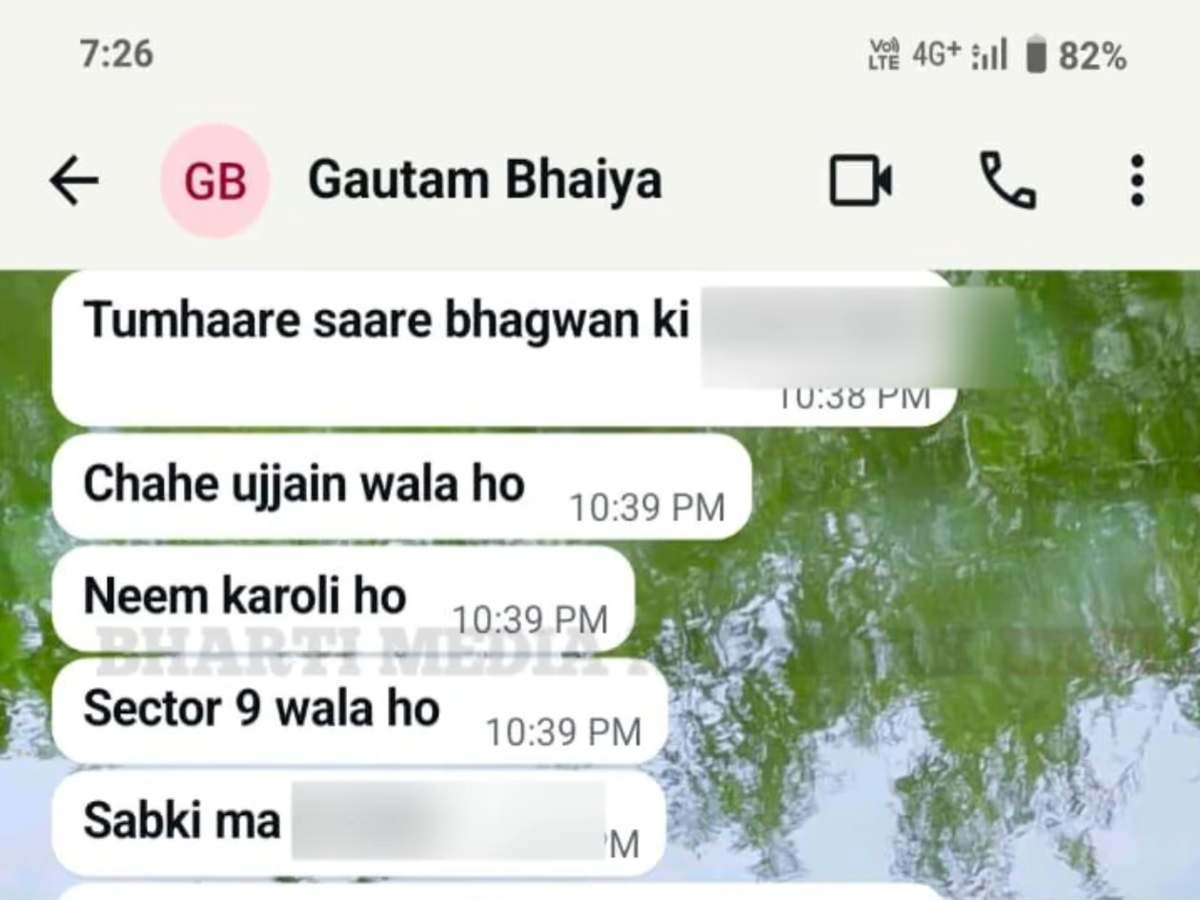
In Durg, Chhattisgarh, Hindu religious sentiments were insulted after a man named Gautam Sahu made derogatory remarks about Hindu deities and religious leaders. According to reports, the accused, Gautam Sahu, a placement employee working as the personal assistant to the Durg Municipal Corporation Commissioner, was talking to a female municipal employee in a private WhatsApp chat. In the screenshots that went viral, the accused was seen making derogatory comments against Hindu deities and Hindu religious leaders. This led to widespread outrage among members of Hindu organisations, including the Bajrang Dal and Vishva Hindu Parishad, who called the comments deeply offensive to Hindu religious sentiments. Subsequently, on 8 May 2026, activists from multiple Hindu organisations arrived at the Durg Municipal Corporation office in large numbers and created a major disturbance inside the premises. Gautam Sahu was forcibly dragged out of the office by the crowd and manhandled. During the attack, his clothes were torn, and he sustained minor injuries. Police from the Padmanabhapur police station reached the spot after receiving information about the incident, and took Gautam Sahu into custody for questioning. Hindu organisation members also submitted written complaints demanding strict action against him for hurting Hindu religious sentiments. Statements issued by office-bearers of Bajrang Dal and Vishva Hindu Parishad indicated that the organisations considered the remarks an insult to Hinduism and warned of larger protests if strong legal action was not taken. The police stated that an investigation had been initiated into the viral WhatsApp chats, including verification of their authenticity and source through the cyber cell, and that further legal action would be taken based on the findings of the investigation.
Case Images
Why it is Hate Crime ?
This case has been added to the tracker under the primary category- Hate Speech against Hindus. The subcategory selected is- Anti-Hindu slurs, mocking faith. Anti-Hindu slurs and the deliberate mocking of the Hindu faith owing to religious animosity involve the usage of derogatory terms, stereotypes, or offensive references to religious practices, symbols, or figures. One of the common anti-Hindu slurs used against Hindus is “cow-worshipper” and “cow piss drinker”. The intention of using this term is to demean and mock Hindus as a group and their religious beliefs since Hindus consider the cow holy. Additionally, some symbols and the slurs attached to them have a historical context that exacerbates the insult, hate, stereotyping, dehumanisation and oppression against Hindus. Cow worship has been used for centuries to denigrate Hindus, insult their faith and oppress Hindus specifically as a religious group. There has been overwhelming documentation about how cow slaughter has been used to persecute Hindus with cow meat being thrown in temples and places of worship. There has also been overwhelming documentation where cow meat (beef) has been force-fed to Hindus to either forcefully convert them to Islam or denigrate their faith. Apart from cow worship, the Swastika – which holds deep religious significance for the Hindus – has also been misinterpreted and distorted to use as a slur against Hindus. Similarly, the worship of the Shivling has been used by supremacist ideologies and religions to denigrate Hindus owing to religious animosity. Such slurs and denigration stem out of inherent animosity and hate towards Hindus and their faith, therefore, it is categorised as hate speech targeted at Hindus specifically owing to their religious identity The other sub-category selected is- Mocking/denigrating Hindu leaders. Hate speech is defined as any speech, gesture, conduct, writing, or display that is prejudicial against a specific individual and/or group of people, which is leading to or may lead to violence, prejudicial action or hate against that individual and/or group. Religious leaders are often seen as representatives of the community, especially, the community’s religious faith and beliefs. Mocking or denigrating a religious leader specifically owing to his religious identity and/or the religious rituals he observes can be considered hate speech because the motivating factor of the speech is animosity and/or dislike for what he represents – the religious beliefs and faith of the community. It is important to note that mere insulting words against an individual do not constitute hate speech. It is entirely possible that insulting words are used for an individual, however, the specific speech is not the result of religious hate and/or animosity towards the professed faith of the religious leader, but the individual himself. For the speech to be considered hate speech, the speech itself or the motivating factor behind the speech has to be religious in nature. Such speech which denigrates Hindu religious leaders specifically owing to animosity towards the faith they profess and the community faith they represent will be treated as hate speech under this category. This case has been added to the hate crime database because the accused, Gautam Sahu, made derogatory remarks about Hindu deities and Hindu religious leaders. Hindu deities occupy an immensely important and sacred position in Hinduism and are deeply revered by the Hindu community. By using offensive language against the faith, the accused displayed clear religious hostility towards Hinduism and its followers. By publicly maligning Hinduism, the accused not only disrespected the faith but also incited hostility, making this a clear example of a religiously motivated crime. It was, in fact, not a random or misguided act, but a calculated and premeditated effort to attack Hinduism and the larger Hindu society. Such actions are consistent with hate speech, as they were designed to provoke hostility, offend religious sentiments, and spread contempt for Hinduism and its adherents. Furthermore, the accused also made derogatory remarks against Hindu religious leaders, who hold positions of deep spiritual, cultural, and social significance within Hindu society. Hindu saints, gurus, and religious figures are widely respected by devotees and are regarded as custodians of religious traditions and values. Abusive or insulting statements directed at such figures go beyond mere personal criticism and amount to an attack on the collective religious identity and sentiments of the Hindu community. The deliberate denigration of Hindu religious leaders reflected contempt towards Hindu beliefs and traditions and contributed to the creation of a hostile and hateful environment against adherents of the faith. In recent times, social media has increasingly become a platform for anti-Hindu hate, with derogatory memes, videos, and messages targeting Hindu religious symbols, practices, and deities. Such content is recognised as part of a broader pattern of Hinduphobia and religious hate crimes online. This deliberate targeting of revered deities firmly establishes this act as a religiously motivated hate crime; therefore, it is being categorised under the hate crime database of the Hinduphobia Tracker.


Case Status
Arrested


Perpetrators Details
Perpetrators
Others
Perpetrators Range
One Person
Perpetrators Gender
male
 Sources




