Hindu temple targeted, idols of deities defaced and lewd comments made against temple's priest by miscreants in Supaul, Bihar
 Supaul, Bihar, India
  14 April, 2026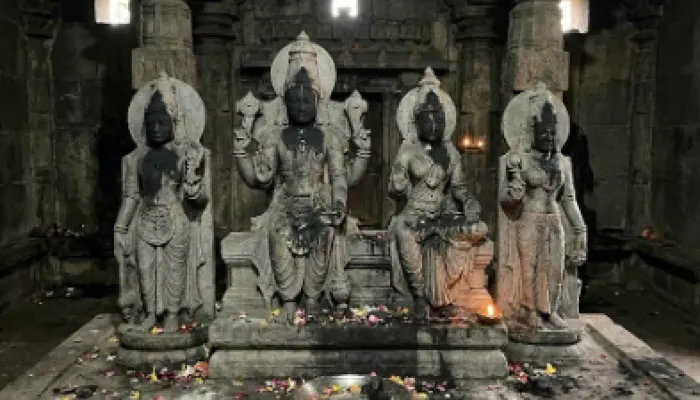
Case Summary
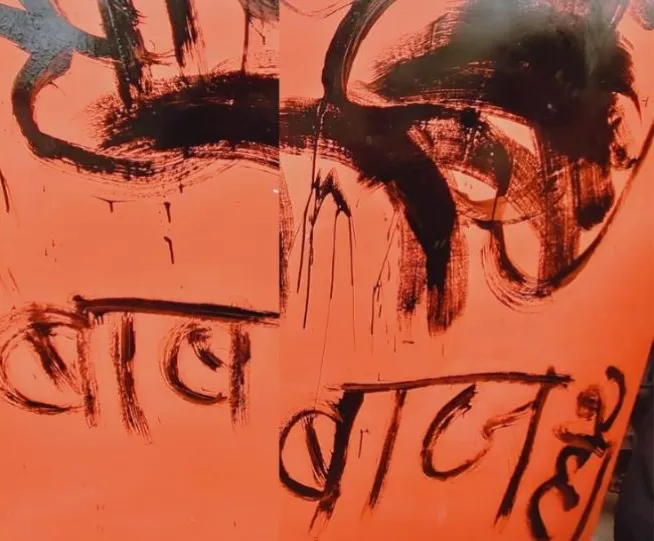
In the Triveniganj town of Supaul district, Bihar, a Hindu temple was targeted, where idols of Hindu deities were found blackened and defaced. Furthermore, lewd comments against the temple's priest were written on the temple walls by unknown miscreants. According to reports, the act took place during the night on 15 April 2026, when unknown individuals entered the temple premises near the Chiloni river bridge, switched off the lights, and smeared soot on the idols of Lord Hanuman, Lord Rama and Lakshmana consecrated inside the temple. In addition to the desecration of the idols, objectionable and lewd remarks targeting the temple priest were written on the walls, further aggravating the situation and intensifying the sense of violation felt by the local Hindu community. The incident came to light early in the morning of 16 April 2026, when residents visiting the temple discovered the vandalised idols and offensive graffiti. News of the desecration spread quickly, drawing a large crowd to the site, with locals expressing deep outrage over the deliberate targeting of their place of worship and religious figures. The Hindu temple, which had been constructed through community contributions, had recently witnessed the installation of a new idol of Lord Rama and Lakshmana seated on the shoulders of Hanuman during the festival of Ram Navami, making the timing of the act particularly sensitive and distressing. Residents also recalled that a similar act of damage to a smaller idol had occurred earlier, contributing to a growing sense of insecurity. Upon receiving information, the local administration, including senior officials and police personnel, reached the site and took control of the situation. The defaced idols were covered, and arrangements were made to clean the soot and remove the offensive writings from the temple walls. A police force, along with a magistrate, was deployed at the premises to maintain order and prevent escalation. The temple priest, Etwari Sharma, stated that he had secured the premises the previous evening and expressed concern over repeated harassment. The authorities initiated an investigation to identify those responsible, while appealing to the public to maintain peace, even as demands for swift action against the perpetrators grew among the residents.
Case Images
Why it is Hate Crime ?
This case is being added to the tracker under the primary category- Attack on Hindu religious representations. The subcategory selected is- Desecration of Hindu religious symbol. Icons and symbols, or a religious representation of a spiritual ideal, are widely revered in Hinduism. Iconography is of vital significance in the Hindu milieu. It helps connect people’s spiritual beliefs with the real world. Iconography within the Hindu faith takes several shapes and forms. Murtis are of most significance to Hindus, to which daily rituals, prayers and offerings are done. Besides the murtis, there are several other symbols which have deep significance in the Hindu faith – the Om and Swastika, for example. Since these Hindu religious symbols hold paramount importance in Hinduism, any desecration of symbols, icons, murtis, religious representations and manifestations, is driven by animosity towards the faith itself, which manifests itself through these murtis, icons and symbols. Therefore, any desecration of these Hindu religious symbols and representations is considered a religiously motivated hate crime under this category. The other subcategory selected is- Attack on Temples. In Hinduism, a temple is the abode of the Deity. The Deity in the Temple is consecrated, thereby making it a real, breathing entity. Hindus believe that not just the Deity but the temple premises itself are sacred to Hindus since Hindus hold the faith that the entire Temple space is an amalgamation of the divine energy of the deity. Given the central significance of Temples in Hindu Dharma, any attack against a Hindu Temple or its peripheral premises is an attack on the faith itself and is born out of animosity towards the faith, of which the Temple is a central tenet. Any manner of attack against a Temple and/or its premises would therefore be considered a religiously motivated hate crime. The second primary category selected is - Hate speech against Hindus. Within it, the sub-category selected is - Anti-Hindu slurs. mocking faith. Anti-Hindu slurs and the deliberate mocking of the Hindu faith owing to religious animosity involve the usage of derogatory terms, stereotypes, or offensive references to religious practices, symbols, or figures. One of the common anti-Hindu slurs used against Hindus is “cow-worshipper” and “cow piss drinker”. The intention of using this term is to demean and mock Hindus as a group and their religious beliefs since Hindus consider the cow holy. Additionally, some symbols and the slurs attached to them have a historical context that exacerbates the insult, hate, stereotyping, dehumanisation and oppression against Hindus. Cow worship has been used for centuries to denigrate Hindus, insult their faith and oppress Hindus specifically as a religious group. There has been overwhelming documentation about how cow slaughter has been used to persecute Hindus with cow meat being thrown in temples and places of worship. There has also been overwhelming documentation where cow meat (beef) has been force-fed to Hindus to either forcefully convert them to Islam or denigrate their faith. Apart from cow worship, the Swastika – which holds deep religious significance for the Hindus – has also been misinterpreted and distorted to use as a slur against Hindus. Similarly, the worship of the Shivling has been used by supremacist ideologies and religions to denigrate Hindus owing to religious animosity. Such slurs and denigration stem out of inherent animosity and hate towards Hindus and their faith, therefore, it is categorised as hate speech targeted at Hindus specifically owing to their religious identity. This incident constituted a clear and targeted act of hostility towards the Hindu temple, as the idols of Hanuman, Rama and Lakshmana were deliberately defaced and blackened, and abusive, lewd remarks were written against the priest on the temple walls. Such actions went far beyond ordinary vandalism and amounted to an anti-Hindu hate crime rooted in religious hostility. In Hindu belief, consecrated idols (murtis) are not symbolic decorations but are regarded as embodiments of the divine. Devotees offer daily prayers and rituals to the sacred idols, considering them revered religious symbols. Therefore, the act of defacing them by smearing soot directly attacked the sanctity of the deities and conveyed deliberate disrespect towards figures held sacred by the Hindu community. Such acts amount to the desecration of sacred Hindu symbols and are therefore a religiously motivated hate crime. The temple itself functioned as a sanctified space central to the religious and cultural life of local Hindus. The forced entry into this space, followed by the vandalism within, represented a violation of a protected spiritual environment. Temples in Hinduism are not merely places of gathering but are considered abodes of the divine, where the presence of the deity is invoked and maintained through ritual practices. Therefore, any intrusion coupled with destruction within such a space is an attack on both the religious identity and communal dignity of Hindus. Temples being symbols of Hindu faith and civilisation, their desecration in this manner amounts to an attack on the entire Hindu faith itself. By entering such a space at night and carrying out acts of desecration, the perpetrators violated not only physical property but the sanctity of a place central to the community’s religious life. The timing of the act, occurring shortly after a major religious observance, Ram Navami, and the installation of new idols, further amplified the emotional injury and suggested a conscious effort to maximise hurt to Hindu religious sentiments. The inclusion of lewd and derogatory remarks targeting the temple priest added another layer to the offence, extending the act from desecration of religious symbols to personal humiliation and intimidation of a religious representative. Priests occupy a respected role in maintaining temple rituals and spiritual practices, and targeting them through abusive language within the temple premises indicated an attempt to degrade both the individual and the institution he represented. This combination of idol desecration and personal targeting demonstrated a pattern consistent with hate-driven acts intended to insult, intimidate and assert contempt towards Hindus and their religious priests, amounting to an anti-Hindu offence. An important factor strengthening the nature of this offence was that locals said that similar incidents had occurred at the same temple in the past. This repetition pointed towards a pattern rather than an isolated act, suggesting sustained targeting of the same religious site. Recurrent desecration fosters an environment of fear and insecurity within the Hindu community, as devotees begin to feel that their places of worship can be violated repeatedly without consequence. Such patterns are a key marker of hate crimes, where the objective extends beyond a single act to creating lasting psychological impact and communal distress. The impact of the incident extended beyond immediate anger, contributing to a deeper sense of hurt, humiliation and vulnerability among local Hindus. A temple, which is meant to be a space of peace, devotion and spiritual refuge, was transformed into a site of insult and provocation. When such acts occur and are repeated, they erode the community’s sense of safety and confidence in the protection of their religious rights. Taken together, the deliberate desecration of sacred idols, the defilement of a temple space, the targeting of a priest and the recurrence of similar acts established that this was not random mischief but a religiously motivated act aimed at hurting Hindu sentiments and undermining the sanctity of their faith. Even though the perpetrators’ identities remained unknown, the nature of the act clearly reflected targeted hostility towards Hinduism. Therefore, this case has been added to the Hate Crime database of the tracker.
Victim Details
Total Victim
1
Deceased
0
Gender
- Male 1
- Female 0
- Third Gender 0
- Unknown 0
Caste
- SC/ST 0
- OBC 0
- General 1
- Unknown 0
Age Group
- Minor 0
- Adult 1
- Senior Citizen 0
- Unknown 0


Case Status
Unknown


Perpetrators Details
Perpetrators
Unknown
Perpetrators Range
Unknown
Perpetrators Gender
unknown
 Sources




