Renovation of Shiv Temple opposed by Muslims, Hindus accuse police of not protecting their right to worship
 Unnao, Uttar Pradesh, India
  6 October, 2024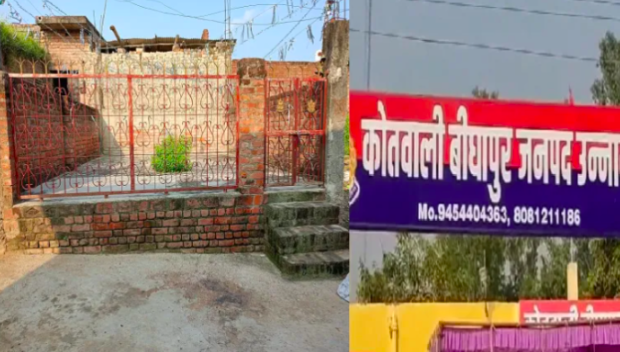
Case Summary
In Unnao's Ranipur village, tensions arose over the renovation of a 70-year-old Hindu Shiva temple, as local Muslims, including residents like Nihal, Anees Khan and Asghar Khan, opposed the renovation due to its proximity (100 meters) to a mosque, claiming it could interfere with namaz. Ranipur is predominantly Muslim, with around 125 Muslim households and only 25-30 Hindu families, who use the temple for religious ceremonies. The issue was reported to the Bighapur police, prompting authorities to warn 26 Muslims and 6 Hindus against disturbing public order. Despite this, the matter escalated with calls for police intervention. Circle Officer Rishikant Shukla clarified that formal administrative permission is required before the renovation can proceed, and the issue was reported to the Sub-Divisional Magistrate. However, conflicting statements from police officials, including SHO Rajpal, who initially denied any issue, raised concerns over law enforcement’s handling of the matter. Locals expressed frustration on social media, noting perceived inaction by the police in addressing the Hindus’ rights to renovate their temple.
Why it is Hate Crime ?
In this case, the Hindus' right to renovate their place of worship was infringed upon by local Muslims and the administration was accused of failing to protect the religious rights of Hindus. The case is, therefore, being added to one primary category 'Restriction/Ban on Hindu Practices'. There are two sub-categories that have been selected for this case. The first sub-category is 'Restriction on expression of Hindu identity'. An example of the state-affected prejudicial and targeted orders against the Hindu community would be a government denying the right of a Hindu or a group of Hindus to hold a religious procession owing to the animosity of non-Hindu groups. Denial of the religious right of the Hindus to assuage the non-Hindu group which harbours animosity to a point where it could lead to violence against Hindus is not only a failure of law and order but is a prejudicial order against Hindus, denying them their fundamental rights to express their religious identity. An example of a hate crime against Hindus by a non-Hindu would be a non-Hindu institution forcing its Hindu employees to abandon religious symbols that a Hindu would wear as an expression of faith owing to inherent prejudice against the faith professed by the victim or a non-Hindu group of people restricting a Hindu group from constructing a place of worship simply because the demography of the area in which the temple is being built is dominated by non-Hindus. Such actions are driven by religious animosity and/or prejudice against Hindus and their faith and would therefore be categorized as a hate crime. In this case, the local Muslims opposed the renovation of a Hindu place of worship (a temple) because they believed it would infringe on their religious right since their mosque was not very far off. They believed that the very existence of the temple not too far from a mosque was an affront to their right to practice their faith. It is pertinent to note here that the Temple was in no way infringing on the space of the mosque or the religious rights of the Muslims. The Hindus wanted to renovate an existing temple and practice their faith. The opposition to the very existence of the Temple and the assumption that Hindus practicising their faith in and of itself infringes on the rights of Muslims is driven by inherent animosity and hostility towards Hinduism, its places of worship and its adherents. The opposition to the renovation of the temple is, therefore, a manifestation of religious animosity against Hindus. The second sub-category that this case is being added to is 'administration restricting religious practice'. In several cases, it is seen that the administration/state disallows a religious practice owing to prejudicial orders and concerns, targeted specifically against the Hindu community. Such restriction/prohibition would be considered documented as a hate crime because the orders are often a result of pressure by groups that harbour animosity towards Hinduism and Hindus. Often, the restriction by the authorities is driven by bias, hostility, or prejudice against the specific community being stopped from holding a religious practice, by pressure groups that harbour animosity towards Hindus, intrinsic to their faith. Since practices are intrinsic to the faith of the Hindus, such prejudicial restriction is considered a curtailing of the fundamental rights of the Hindu community. In several cases, for example, the authorities ban a Hindu religious practice due to pressure from groups opposed to the religion. In other instances the prohibition is selectively enforced against one religious group (Hindus) while others are allowed to proceed. There are still other cases where the authorities preemptively restrict a religious practice by Hindus because those who hold animosity towards Hindus may get “provoked” leading to them being violent, thereby assuaging the sentiments of those who hold animosity towards Hindus by curtailing the religious rights of Hindus. Such acts and orders are prejudiced, indicating discriminatory motives owing to the capitulation to groups that harbour animosity towards Hindus and therefore, would be categorized as a religiously motivated hate crime since the original pressure leading to the order itself is a result of hatred/bias/prejudice/religious hate against Hindus. In this case, the local Muslims opposed the renovation of the Hindu temple owing to their inherent hostility towards Hinduism and Hindus. The administration, that is the police, was repeatedly asked for help by the Hindus. According to reports, the police first denied that any conflict had arisen. Then said that they needed permission and then, simply refused to answer and whitewashed the issue. This shows the administration's unwillingness to act. This is not to say that the police itself harboured inherent religious animosity towards Hindus, however, the police often ignore the plight of Hindus to placate the Muslims because the latter has a propensity to indulge in violence when their demands are not met. In the quest to appease the Islamists, the administration ends up infringing on the rights of Hindus, a thread seen in this case as well. For these reasons, the case is being documented as a religiously motivated hate crime against Hindus.


Case Status
Complaint filed


Perpetrators Details
Perpetrators
Muslim Extremists
Perpetrators Range
Unknown
Perpetrators Gender
male
 Sources




