Muslim man posts morphed, derogatory pictures of Hindu deities on Instagram
 Mumbai, Maharashtra, India
  8 May, 2024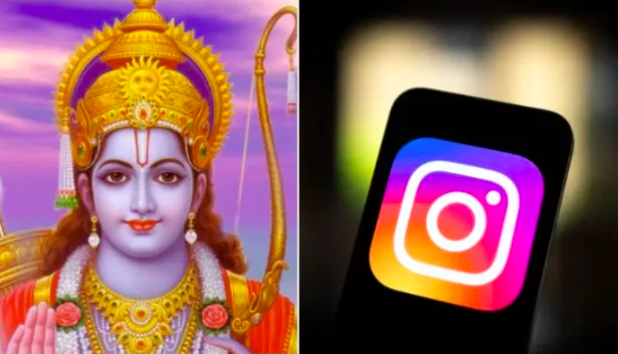
Case Summary
On May 9, the Navghar police station in Mumbai's Mira Bhayander region received a complaint regarding abuse and insults aimed at Hindu Gods and Goddesses on social media. The accused, later identified as Abdul Rashid Abdul Latif, was charged under sections 295A, 153A of the IPC and sections 66C and 67 of the Information Technology Act. According to the FIR obtained, the accused operates an Instagram account named 'lost*back' and morphed images of Hindu deities into derogatory forms, causing offence to Hindu religious sentiments. The complaint was filed by a 24-year-old individual who encountered the offensive content while scrolling through Instagram reels. Screenshots of the objectionable content were taken by the complainant. The accused has not yet been arrested, and investigations are ongoing.
Why it is Hate Crime ?
This case has been added to the hate tracker under the prime category- Attack on Hindus religious symbols. The sub-category selected under this is- Iconoclastic representation of Hindu Gods/Goddesses- An icon is a symbol of someone or something that is revered, or a religious representation of a spiritual ideal. Iconography is of vital significance in the Hindu milieu. It helps connect people’s spiritual beliefs with the real world. Iconography within the Hindu faith takes several shapes and forms. Murtis are of most significance to Hindus, to which daily rituals, prayers and offerings are done. Besides the murtis, there are several other symbols which have deep significance in the Hindu faith – the Om and Swastika for example. Any iconoclastic representation of these symbols, images and murtis is an affront to the religious beliefs and faith of the Hindu community itself since the symbols and icons are deeply religious in nature. In this sub-category of crime, we would record hate crimes and iconoclastic representations, in words, art, or any other form of representations of symbols that hold religious significance for the Hindu community. Since these symbols, icons and murtis are central to the Hindu faith, any iconoclastic representation of these symbols is born out of animosity towards the faith itself, manifesting itself through these symbols and therefore, these representations would be considered religiously motivated hated crimes. In Hinduism, deities and symbols hold immense significance. Each deity embodies specific attributes, powers, and philosophies, representing various aspects of life, nature, and the cosmos. These are not merely religious icons; they encapsulate the beliefs, values, and heritage of the Hindu community, reinforcing their spiritual practices and cultural identity across generations. Abdul Rashid's actions of posting morphed and derogatory pictures of Hindu deities on Instagram represent a clear instance of iconoclastic behaviour, which is rooted in religious hate and a profound disrespect for Hindu beliefs. Such representations are deliberate attempts to belittle and demean the sacred symbols and figures that Hindus hold dear. By distorting the images of Hindu gods and goddesses, Rashid sought to undermine the spiritual significance of these deities, which are central to the faith and identity of millions of Hindus. There could be no other reason than an inherent animosity against Hinduism that led him to commit the offence. Since disrespect for the Hindu religion is the primary purpose behind this incident, this case has been added to the tracker under the following category.


Case Status
Complaint registered


Perpetrators Details
Perpetrators
Muslim Extremists
Perpetrators Range
One Person
Perpetrators Gender
male
 Sources




